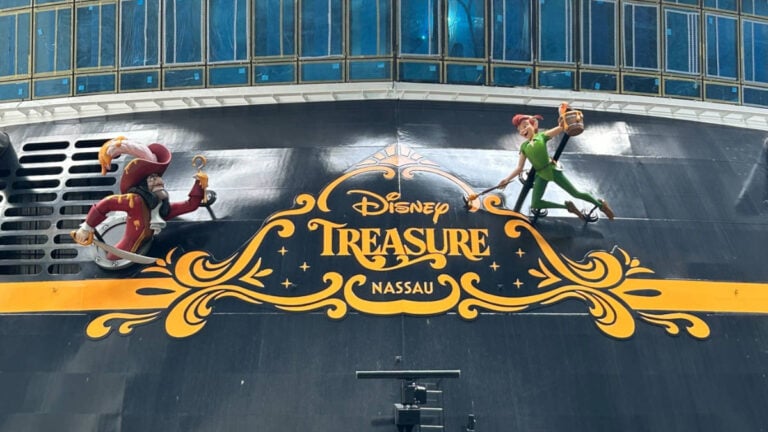
No Disney cruise ship would be complete without a beloved animated character adorning the ship’s stern. Each ship in the fleetfeatures its own character to add some Disney magic to the look of the classically designed vessels.
Just to name a few examples, Disney Dream features Sorcerer Mickey with his brooms from “Fantasia,” Disney Fantasy is home to Dumbo and Timothy Q. Mouse, and Disney Wish features Rapunzel and Pascal from “Tangled.”
About a year ago, Peter Pan and Captain Hook were announced as the characters who would take that honored spot at the front of the 144,000-gross ton ship.
But as of July 25, 2024, the dynamic duo are officially in position on the 4,000-guest ship.
The pair were chosen to help reinforce the ship’s theme of adventure – and you don’t get much more adventurous than the leader of the lost boys and a Neverland pirate!
The characters have already undertaken a long voyage to join the soon-to-be-completed Wish-class ship – and will continue to keep a careful eye out to protect the young vessel at sea once she enters service at the end of the year.
They were originally built in California – home to the original Disneyland Resort and a hub for Disney Imagineering – before being transported to the Meyer Werft Shipyard in Germany, where they were carefully hoisted into the air by cranes and securely bolted into place.
The first photos show Peter Pan happily touching up the ship’s stern with yellow paint – the same color as pixie dust – with Captain Hook angrily shaking his hook at his long-time rival.
And to say the figures are quite large is an understatement. Just to give a little bit of an idea, Peter Pan is over 9 feet tall and wears a size 36.5 shoe!
Disney Cruise Line Enjoys Wave Of Growth
With the finishing touches being completed on Disney Treasure, it’s a clear sign that the cruise ship has likely surpassed the bulk of construction and is well on its way to entering service in December.
In the coming weeks to months, it wouldn’t be surprising to hear news of Disney’s second LNG-powered ship meeting some major milestones.
Up next will most likely be the new ship’s official float out ceremony, which is a special occasion where the ship leaves dry dock and officially touches the ocean for the first time.
Once the float out is complete, the next DCL vessel will undergo her sea trials to guarantee she is fit to carry passengers, officially be handed over to the cruise line, and will be joined by approximately 1,555 crew members closer to her maiden voyage.
Disney Treasure at Meyer Werft (Photo Credit: Disney Cruise Line)
But even once Disney Treasure begins operating revenue sailings – starting with a 7-night Eastern Caribbean inaugural sailing from Port Canaveral, Florida on December 21, 2024 – Disney will still have three additions to the fleet in various stages of construction.
Disney Destiny – the third Wish-class ship – will enter service one year after her older sister, in December of 2025.
While less announcements have been made so far about the “heroes and villains” themed ship, DCL will be hosting a virtual three-day event beginning on July 30, 2024, to formally debut its next domestic ship.
As the family-friendly cruise line expands internationally, it also has its largest ever cruise ship in the works – named Disney Adventure – which will debut in Singapore in 2025.
Earlier this month, on July 9, 2024, DCL announced that an additional Wish-class cruise ship would be built for the Japanese market in partnership with the Tokyo-based Oriental Land Company.
The currently unnamed vessel is expected to debut in 2029 with classic Disney Cruise Line amenities as well as new experiences and modifications geared to Japanese guests.
At their best, cruise vacations are an unforgettable experience that blends adventure with luxury and relaxation. With that said, the planning stage can be somewhat stressful, especially if you are new to cruise ships.
When to book, which cruise line to go with, and which type of cabin you should choose are all common questions that can leave you feeling stressed and confused.
Cruise Hive will simplify things by breaking down which cabins and suites should be avoided on one of the world’s most famous cruise ships – Royal Caribbean’s Wonder of the Seas.
Not only will we explain how you can avoid the least desirable cabins on the ship, but we will also highlight common room issues, areas on the ship you should avoid, and a few essential tips you can use to get the most out of your experience on Wonder of the Seas.
So, let’s dive into the intricacies of cabin selection on this famous Oasis-class ship!
With nearly 3,000 different cabins and suites, you have plenty of options on the Wonder of the Seas. While we will cover why in greater detail at a later point, it is a good idea to avoid the ship’s internal-facing balcony cabins, multi-floor suites, like the Ultimate Family Suite, cabins on upper decks near the forward and aft, and accommodations located below the main pool and Royal Theater.
For different reasons, these rooms and suites could have a negative impact on your cruise experience, so you are probably better off avoiding them altogether.
Different Cabins and Suites Available on Wonder of the Seas
There are 2,867 cabins on Wonder of the Seas, with 174 of those being suites. To cater to guests with different preferences and budgets, the ship’s designers divided these into 32 different cabin categories.
Wonder of the Seas Cruise Ship (Photo Credit: Wayleebird)
Essentially, these 32 different types of cabins and suites can be divided intofive basic categories: Interior Staterooms, Ocean View Staterooms, Balcony Staterooms, Suites, and Royal Class Suites.
For the most part, the names of the different categories speak for themselves:
Interior Staterooms
Cabins that face towards the ship’s interior. For the most part, they are fairly small, accommodate four guests or less, and they are usually more budget-friendly.
Wonder of the Seas Interior Stateroom
On Wonder of the Seas, there are 523 interior-facing cabins. With the exception of the Category 1R Spacious Interior Staterooms, which are 260 square feet and sleep up to 6 guests, the vast majority of interior staterooms are 172 square feet. These are designed to sleep up to 4 guests per cabin, but they can be a little bit cramped with this many people.
They are all equipped with two twin beds, which can be put together to create a king-sized bed. There’s a basic in-cabin bathroom, as well as a sitting area with a TV.
Ocean View Staterooms
Facing outwards, these oceanview cabins offer scenic views through windows and portholes. You pay a bit more for the view and natural light than you would with an interior-facing cabin; plus, they can be quieter, as Interior Staterooms face the noisy interior of the ship.
Ocean view staterooms are subdivided into four categories – Category 1N Ocean View Staterooms, Category 2N, Category 4N, and Category 1K Ultra Spacious Ocean View Staterooms.
Wonder of the Seas Ocean View Stateroom
With the exception of the Category 1K rooms, which are 271 square feet and designed to accommodate up to 6 guests, the others are virtually the same and have a footprint of 179 square feet.
The only real difference between these three types of oceanview staterooms is which deck they are located on, with the three types evenly spread out between Decks 3, 7, 8, 9, 10, and 11.
Like the interior staterooms, they feature two twin beds that can be converted into one king bed.
Balcony Staterooms
These more luxurious cabins feature a private outdoor balcony so guests can enjoy ocean views and a more serene experience. Naturally, this comes at a cost, so you should expect to pay more for a room with a balcony than one without.
On Wonder of the Seas, Balcony Staterooms are available in different sizes and configurations, so couples, groups, and families can book them.
Wonder of the Seas Balcony Stateroom
Balcony Staterooms range in size from 374 square feet for the Category 1A Ultra Spacious Ocean View Large Balcony Staterooms to 182 square feet for the more basic Category 1C, 2C, CB, and 1D Ocean View Staterooms with Balconies.
Despite their relatively large square footage, these are designed to sleep a maximum of 4 guests, with most being far more comfortable for 2 guests. Naturally, the main highlight of these staterooms is the outdoor private balcony.
Suites
Suites are a more luxurious type of accommodation than a basic cabin and are located within the new Suite Neighborhood, first introduced on Wonder of the Seas.
Like in a hotel, they feature spacious living areas and bedrooms that are separated from that space. Most suites also feature a balcony. While they are more expensive, the extra private space can be worthwhile for those who value privacy and a more luxurious travel experience.
Like most Royal Caribbean ships, the Suites are mostly divided into Grand Suites and Junior Suites, with both types designed to sleep a maximum of 4 guests. Grand Suites feature a 371 square foot floor plan, as well as a 105 square foot balcony. They also feature luxury upgrades, like a full-sized bathtub, dining area, and dual bathroom sinks.
On the other hand, the Junior Suites are 287 square feet and feature a smaller 80 square foot balcony. Most also feature a bathtub, but it is much smaller than you get in a grand suite.
Royal Class Suites
Unique to Royal Caribbean ships, Royal Class Suites redefine luxury. These are the largest accommodations on the ship. Some feature loft spaces, multiple floors, and in-room amenities, like slides and table games, and they give guests access to a wide variety of exclusive upgrades and perks.
Royal Loft Suite
Subdivided into different styles, like the Two Bedroom AquaTheater Suite, Crown Loft Suite, and Ultimate Family Suite, these suites look more like luxurious penthouses than what you would expect to see on a cruise ship.
At 1,134 square feet, plus a 212 square foot balcony, the Ultimate Family Suite steals the show. You get some truly unique in-suite amenities, like a slide, air hockey table, table tennis table, and just about any video games kids could think to play.
Common Cruise Ship Room Issues
Now that you know more about the different types of cabins available on Wonder of the Seas, it is worth taking a few moments to quickly cover some of the common issues people have with their rooms, not just on this ship but on cruise ships more generally.
Not only will this provide some context for the less desirable rooms on Wonder of the Seas, but it could also help you if you book a trip on a different cruise ship.
Size Constraints
Some lower-cost cabins, like most interior-facing staterooms, can feel a bit cramped, especially for families and groups planning to share a room. Simply booking a larger room can help you avoid this issue, but it is worth remembering that larger staterooms and suites will be more expensive.
Wonder of the Seas Boardwalk Cabin (Photo Credit: Melissa Mayntz)
At just 172 square feet, most of the interior staterooms onboard Wonder of the Seas can be quite cramped, especially for those planning to share the room with more than two guests. We would recommend splitting into smaller groups, or possibly paying extra to upgrade to one of the 1R Spacious Interior Staterooms.
Noise Issues
Cabins and suites near high-traffic public areas of the ship can be fairly noisy, especially for light sleepers. Typically, cabins near major entertainment venues, restaurants, pools, elevators, or even the ship’s engine room have a higher risk of being noisy. To minimize noise and disturbances, stay away from cabins near these areas and those located on the ship’s higher decks.
While noise in high-traffic areas of a cruise ship will almost always be an issue, we find that interior and balcony staterooms near the AquaTheater are particularly noisy.
Cabins Near the Music Hall Venue
The live shows can be incredibly loud from inside these cabins, as the sound-proofing is not quite adequate for just how loud these shows and the crowds that watch them can be.
If you are opting for a suite, we highly recommend skipping the Category A1 Spacious AquaTheater Suite with Large Balcony. Sure, these 823-square-foot suites are really nice, but you don’t want noise keeping you up when you’re trying to relax in your suite or enjoy sleeping in the king-sized bed you paid a premium for.
Distance from Amenities
While it may sound counterintuitive since we just discussed how noise generated near amenities can make a cabin undesirable, there is a balance you need to get right. Cabins located a considerable distance from dining venues, pools, and entertainment facilities can be an issue for those worried about travel time.
Elderly passengers and those with mobility issues may want to avoid this by booking cabins in central areas but not close enough to amenities that there is any risk of being below them or having the outside of the cabin be an overly high-traffic area. The same is true for families traveling with young kids.
Cabins Overlooking Central Park
We recommend finding the neighborhood that has the amenities that you are planning to visit the most. Although it can be a little bit louder than some of the lower decks, Deck 14 is a good option for those looking to be close to some of the ship’s most appealing amenities.
Deck 14 also has staterooms and suites for all budgets, so you should be able to find a room that works for you. If noise is a concern, avoid the staterooms towards the middle of the ship, as the waterpark can get pretty noisy in the mornings.
Types of Cabins to Avoid
While personal preferences and budget are always relevant when choosing the type of cabin you would like to travel in, there are certain types that most people should avoid booking if they can:
Adjoining Rooms
While adjoining cabins can certainly serve a purpose for large groups, most travelers don’t need them. If you are not traveling as a large group or family, and you do not need a room that connects with another, avoid adjoining cabins.
Inside Stateroom, Virtual Cabin
While these cabins are convenient in certain circumstances, the shared door compromises sound insulation and passenger privacy. You don’t want to be hearing your neighbor’s conversations when you’re just trying to enjoy some rest and relaxation.
Ocean-Facing Cabins with Obstructed Views
While some passengers do not care about the views from their personal cabin, it can be an issue for those who value it but do not get what they feel they paid for. If you are hoping to enjoy an ocean view, make sure that you read the description of the room you are planning to book.
Wonder of the Seas Docked in Port (Photo Credit: AlanMorris)
Even some oceanview and balcony staterooms have their views blocked by lifeboats or various structural elements of the ship. When booking, the view will be included in the room description. Avoid paying for an outward-facing cabin or suite with an obstructed view.
Internal Balcony Staterooms
While it may sound odd, Wonder of the Seas has interior cabins with balconies. You might get coaxed into paying more for an internal balcony cabin, but the view is not worth paying for!
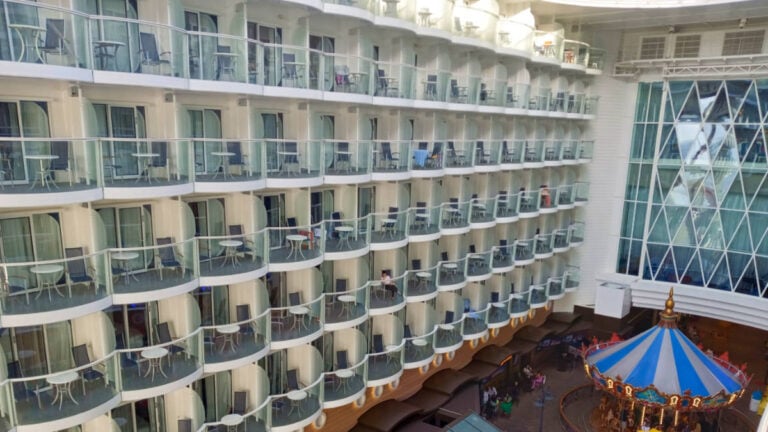
These balconies face other staterooms and look down on open areas of the ship’s various neighborhoods, like the Boardwalk and Central Park. Not only does a Boardwalk view balcony offer an unimpressive view, but it will also be noisy. The noise includes down below on the boardwalk, but also shows and rehearsals in the nearby AquaTheater.
Cabins Overlooking the boardwalk Neighborhood (Photo Credit: Melissa Mayntz)
On top of that, having a balcony will mean that the entire back wall of your cabin will be a combination of windows and sliding glass doors, so your privacy will be compromised entirely whenever your curtains are open.
Don’t waste your time or money on these types of cabins. Instead, pay extra for an oceanview stateroom, or save money and choose a basic interior cabin rather than one with a balcony. Trust us, Central Park view balconies aren’t worth paying extra for when you could pay roughly the same for one with an ocean view.
Areas to Avoid Due to Noise
Even if you’re a deep sleeper, a cruise should still be a restful and relaxing experience. To ensure you can enjoy a more peaceful experience, you’ll want to avoid booking near the noisiest areas of the ship.
Avoid booking near or below a pool deck. Onboard Wonder of the Seas, the Main Pool is located on Deck 15 towards the ship’s middle. With a huge pool and several water slides, this area can get very loud, especially during the day. Avoid booking anywhere near it if you value your peace and quiet.
AquaTheater at the Aft of the Ship
You’ll also want to avoid cabins near the main live performance venues. On Wonder of the Seas, these include the AquaTheater, Royal Theater, and Studio B. You also want to avoid booking near the ship’s nightclubs and bars.
Bionic Bar, Boleros, the English Pub, and Schooner Bar all cater to the ship’s nightlife, so cabins near them are best avoided if you’re worried about noise.
The back of the ship can also be fairly loud due to proximity to the vibrations and noise generated by the ship’s three main engines and the aft-facing Solarium, which can be pretty noisy in the mornings.
Cabin Areas to Avoid for Seasickness
If seasickness is a concern for you or anyone you plan on sharing your room with, avoid cabins where motion is more noticeable.
For the most part, this means avoiding cabins located on the higher decks and those located towards the front and back of the ship. This is because motion is slightly more detectable when you are in these areas of the ship.
Cruise Passenger With Motion Sickness (Photo Credit: GBALLGIGGSPHOTO)
With that said, Wonder of the Seas is enormous, and she was equipped with highly advanced stabilization technology, so seasickness tends to be less of an issue than it is on some of the smaller cruise ships.
Cabins with Good and Bad Views
Interior staterooms and ocean staterooms with obstructed views are not where you want to book if you are looking to enjoy a direct view of the water. While the views are poor, they do tend to have lower prices.
For those who value a great view at sea, any unobstructed oceanview cabin or suite will offer breathtaking views. If your budget allows it, consider booking on the balcony staterooms aft of the ship, as you can enjoy a sweeping, panoramic view of the ocean and the churning wake stretching behind the ship.
Prices of Cabins and Suites
Like any cruise vacation, cabin prices will vary depending on when you are booking and the itinerary. That said, you can expect to pay around $2,000 per person for a week in one of the smaller Interior Staterooms. These are the most budget-friendly options, so don’t expect much.
Ultimate Family Suite – Room 1820 Deck 18 Midship Starboard
If you want more space and a better view, a balcony stateroom will cost closer to $3,000, but if you want to treat yourself, you can opt for a basic suite, which will run closer to $6,000 per person. While a junior suite can be cheaper, a large balcony suite easily exceeds $6,000.
For those looking to really splash out, the Royal Class Suites can get pretty outlandish, with the Ultimate Family Suite reaching nearly $20,000 per person per week!
Cabin Distances to Amenities
If you want to be located near amenities or don’t mind traveling to them, you will want to book in different sections of the ship.
Midship cabins and those on the higher decks in the central area of the ship are close to the major dining area, pools, and various entertainment facilities. On the other hand, if you want to avoid the crowds and the noise that comes with them, book at the forward or aft ends of the ship.
Aft Aerial View of Wonder of the Seas (Photo Credit: Wayleebird)
With this being said, one of the most amazing things about the Royal Caribbean cruise ship is the incredible number and variety of amenities. No matter where you book, you will always have some form of entertainment nearby. Look at Wonder of the Seas‘ official deck plans to map out proximity to the amenities that appeal to you the most.
Pros & Cons of Different Areas of the Ship
Upper Decks (Deck 9 and above)
Pros: Close to amenities and great views from ocean-facing rooms.
Cons: Can be noisy, especially those close to the main pool. Balcony staterooms are more expensive on upper decks. Seasickness can be an issue for upper-deck cabins near the front and back of the ship.
Lower Decks (Deck 5 and below)
Pros: Reduced risk of motion sickness, lower prices, reduced noise compared to rooms near major amenities.
Cons: Limited views, engine noise near the aft of the ship, and greater travel distance to amenities.
Midship Decks (Deck 6 to Deck 8)
Pros: Noise levels aren’t too bad, and motion is less noticeable than on the upper decks.
Cons: Longer waits for elevators, can be lots of noise and foot traffic if you are near the main public areas.
Frequently Asked Questions (FAQs)
What is the best floor to stay in the Wonder of the Seas?
The best floor depends on your preferences; however, most guests find that the midship decks (Deck 6 to Deck 8) in the ship’s center offer excellent access to amenities without the risk of excessive noise or seasickness.
What decks should be avoided on a cruise ship?
Decks directly below the noisiest areas on a cruise ship should be avoided. This includes those below pools and live entertainment venues.
What is the safest floor on a cruise ship?
While every deck on a modern cruise ship is safe, midship decks tend to have greater stability. Since they are high-traffic areas on the ship, they are also located close to lifeboats and major muster points.
Does Wonder of the Seas have good Wi-Fi in the cabins?
Yes! Every cabin aboard the ship has its own Wireless Access Point (WAP), so the signal in your cabin or suite will be quite strong. Remember that Wi-Fi is a paid upgrade but complimentary with some of the more expensive suites.
Carnival Corporation has been named one of America’s Best Employers for Women by Forbes. The recognition, awarded on July 23, 2024, places the company among the top 600 companies across various industries, celebrated for their positive and inclusive work environments for women.
Appearing at number 340, Carnival Corporation is the highest-ranked cruise company on the list, besting competitors Royal Caribbean Group and Norwegian Cruise Line, the only additional cruise operators to appear on the seventh annual list.
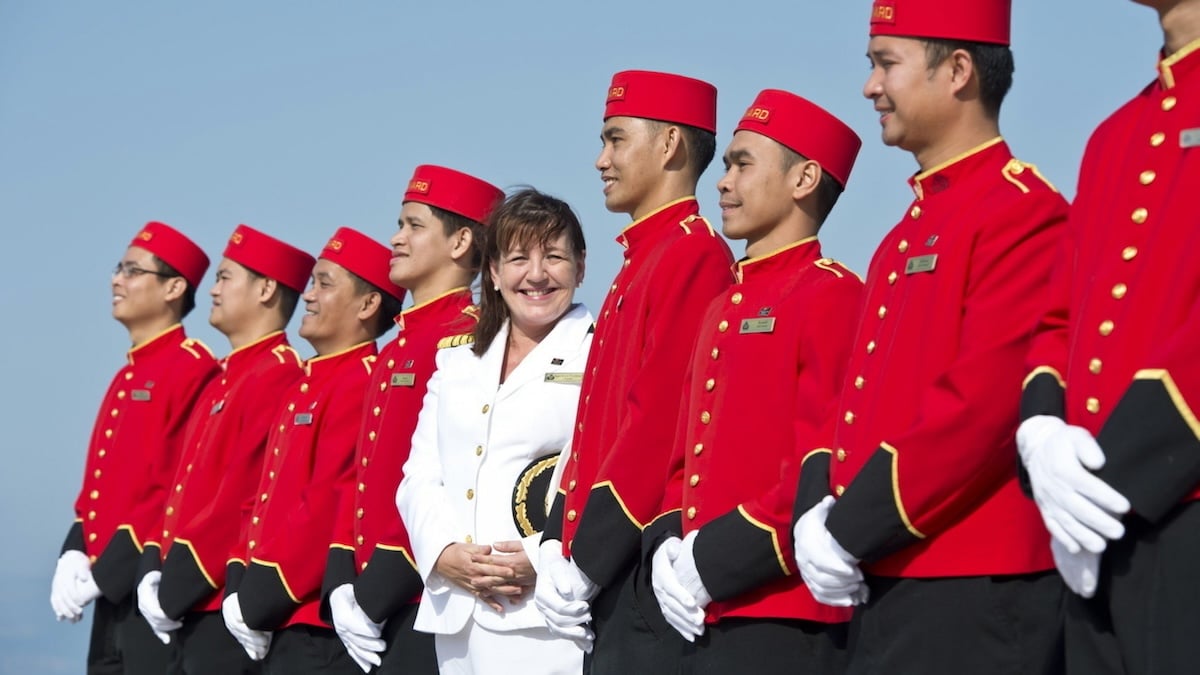
Captain Inger Klein Thorhauge, who helms Cunard ships, is among women with prominent roles at Carnival Corporation. (Photo Credit: Cunard)
“At Carnival Corporation, we proudly support a workforce of over 160,000 team members representing 150 countries, and it is imperative that we cultivate a positive environment that celebrates the diversity of our people and empower all walks of life,”said Bettina Deynes, global chief human resources officer for Carnival Corporation.
This is the fourth consecutive year Carnival Corporation, founded in 1974, has appeared on the list. Deynes added, “We are honored to be recognized again by Forbes for our commitment to providing a welcoming and inclusive workplace for all our team members.”
The accolade is part of a series of recognitions Carnival Corporation has received for its dedication to diversity, equity, and inclusion. Earlier this year, it was honored as one of America’s Best Employers for Diversity by Forbes.
From 2021 to 2024, the company has also been named one of the World’s Best Employers by Forbes across 27 industries, again serving as the top cruise line.
It also achieved a perfect score on the Human Rights Campaign Foundation’s Corporate Equality Index in 2023, which designated the company as a Best Place to Work for LGBTQ+ Equality for a seventh consecutive year.
In 2021, Inc. named it one of the Best-Led Companies of the Year, while Glassdoor named it Best Places to Work. Its Carnival Cruise Line, based in Miami, was also recognized as one of the top 25 Best Companies for Latinos to Work by Latin Leaders Magazine in 2022 and 2023.
Diverse Workforce Celebrated by Forbes
The Best Employer for Women honor by Forbes was determined through a comprehensive survey conducted by Forbes and Statista Inc., which involved over 150,000 women working at companies with at least 1,000 employees in the U.S.
Participants assessed their employers on various criteria, such as representation, pay equity, discrimination, flexibility, family support, and parental leave. They also had the opportunity to evaluate other employers within their industry.
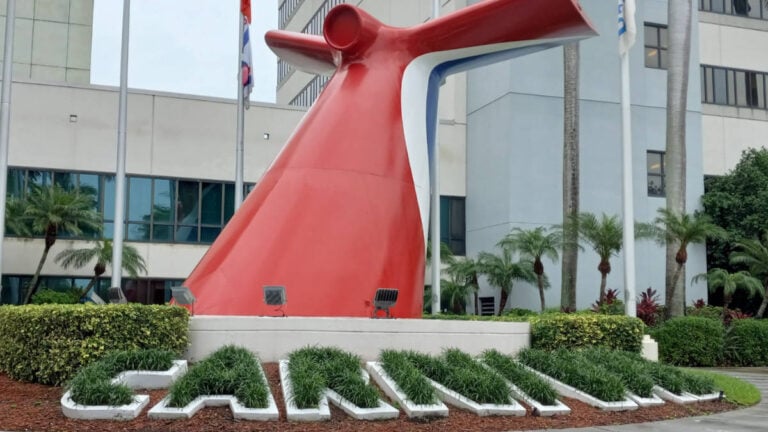
Carnival Corporation (Photo Credit: T. Schneider)
Carnival Corporation operates a portfolio of recognized cruise bands globally that account for 85 percent of the world’s passengers. Catering primarily to markets in North America, the UK, Germany, Italy, and Australia, its brands include Carnival Cruise Line, Holland America Line, and Princess Cruises, Seabourn, AIDA Cruises, P&O Cruises, and Cunard.
Meanwhile, Royal Caribbean, which owns Royal Caribbean International, Silversea Cruises, and Celebrity Cruises, appeared on the Forbes list for the first time as an outstanding employer for women, ranking number 500.
The company has earned previous accolades from Forbes as one of America’s Best Employers for Diversity in 2019 and one of the World’s Best Employers in 2021.
Norwegian Cruise Line, with 33,800 employees, also joined the list for its first appearance at number 595. It has also been recognized as one of Forbes’s World’s Best Employers in 2023 and 2024.
The rumors spring from social media accounts and tend to generate strong opinions about whether or not cruisers should invest in passports.
The clarification comes through Carnival Cruise Line’s Brand Ambassador, John Heald, who addresses hundreds of questions, comments, and concerns nearly every day through his popular Facebook page.
John Heald
Heald often shares his responses in order to keep other guests informed and try to put a stop to confusing rumors.
“We were told if we did not have a passport we will no longer be able to cruise. We use a valid ID and legal birth certificate to board the ship,”the initial commenter said.
“I just saw on [social media] people cruising with Carnival will be required to have passports. Why is Carnival forcing us to get a passport? We refuse to get passports so no more cruising for us if Carnival goes through with this.”
Heald responded quickly and firmly, dispelling the rumor and clarifying what guests can expect if they are required to have a valid passport for their sailing.
“The report made by this chap on [social media] is 100% false, incorrect, and as my late father would always say when he read things like this, ‘a load of old codswollop,'”Heald said.
“There are a few cruises with specific voyages where passports are required including European cruising. However 99% of Caribbean, Alaskan, and Mexican Riviera cruises do not require passports. When passports are specifically required for a unique voyage our Chief Communications Officer Chris [Chiames] and his team send emails to all the guests on that cruise letting them know.”
Carnival Cruise Line’s website offers abundant information on what travel documentation is required for US citizens, permanent residents, and Canadian citizens.
While the cruise line does highly recommend a valid passport that does not expire for at least six months after the conclusion of the cruise, there are other documents that can be used for closed-loop sailings from US homeports. A closed-loop cruise is one that begins and ends in the same US homeport.
If guests do not have a passport, they can use a US passport card, a state-enhanced driver’s license, a certificate of US naturalization, a Native American Indian card, or a birth certificate with a government-issued photo ID.
It should be noted that student ID cards are not considered government-issued and are not valid as cruise travel documentation.
Furthermore, the website specifically notes that “a Mobile/Digital version of a photo ID is not an acceptable form of identification” so travelers should not depend on a picture of their driver’s license, birth certificate, or other ID to set sail.
To further dispel the passport rumor, Heald notes that the cruise line is not in charge of what documentation is required.
“If any changes were made it would come from United States Customs and Border Protection and not Carnival,”he confirmed.
Should Passports Be Taken Ashore?
With passports on travelers’ minds, Heald also took the opportunity to offer tips for whether or not guests should take their passports ashore in ports of call.
“In my opinion you should not take your original passport with you when you go ashore,”he said.“In case of an emergency which meant you could not return to the ship we do indeed have a policy in place.”
Passport Book Vs Card (Photo Credit: Evgenia Parajanian)
“Your passport would be collected from the guest cabin (including retrieving it from the safe) by our housekeeping officers, a Guest Services Officer, and someone from our security team,” Heald explained. “We would then return the passport to the ship’s agent. We have one in every single port who takes care of the ships needs during the time there. The agent would return the original passport to you.”
Ultimately, it is guests’ choice whether or not to take their passport ashore, but it is not required. A simple photo ID along with their Sail & Sign card is all that is necessary to show port security in order to return to the cruise ship after enjoying time ashore.
Whether or not cruisers travel with passports is an individual decision based on their own travel preferences and needs – including where they set sail, what itineraries they enjoy, and how frequently they cruise.
Do you have a passport for your cruising? Share your thoughts on the Cruise Hive boards!
Royal Caribbean Group announced stellar second-quarter earnings, reflecting the success of and growing interest in its newest ships, Utopia of the Seas and Icons of the Seas.
The company has seen bookings soar, bringing more guests onboard its ships in the first half of 2024 than compared to the same period in 2023.
The company reported impressive financial results in its latest report, released today, July 25, 2024. The report revealed remarkable growth in the first half of the year, reporting total revenues of $4.1 billion for Q2 and a net income of $854 million, up from $459 million the previous year.
The outstanding showing has prompted Royal Caribbean to raise its full-year 2024 earnings plan, projecting an amazing 68 percent year-over-year increase.
Royal Caribbean’s Icon of the Seas (Photo Credit: Drew Rawcliffe)
“Our momentum continues!”exclaimed Jason Liberty, president and CEO, Royal Caribbean Group.“We met our financial targets 18 months earlier than expected, have our balance sheets in a strong position, reinstated our divided, and we are just getting started.”
As of June 30, the company, which owns and operates Royal Caribbean International, Celebrity Cruises, and Silversea, has received $6.2 billion in customer deposits, indicating strong future bookings.
“We are thrilled with the ongoing excitement for our incredible vacation experiences, which has continued to result in better bookings than prior years,” said Liberty. “We have seen strength for all key products and are already taking more bookings for 2025 sailings than 2024.”
It also reported onboard spending and pre-cruise purchases were significantly higher than in previous years, particularly for European and Alaska itineraries, which contributed to higher overall revenues.
Royal Caribbean Group expects net yields to grow by 6.5 to 7 percent for the third quarter, driven by strong demand and pricing.
Growth Fueld by New Ships and Attractions
Royal Caribbean Group’s growth is bolstered by an aggressive new-build strategy. The release of the world’s biggest cruise ship, the 250,800-gross-ton Icon of the Seas in January, created a media and booking frenzy.
Sailing from Miami on adventures into the Caribbean, the 7,600-passenger ship boasts the largest waterpark at sea with six record-breaking slides and the AquaDome, a transformative venue with stunning ocean views and cutting-edge entertainment.
The excitement around the ship’s introduction was amped by world-famous footballer Lionel Messi christening the ship in a ceremony worthy of Miami’s star-studded reputation.
As if that debut wasn’t enough, Silversea introduced Silver Ray, a Nova-class ship providing an intimate cruising experience for around 700 passengers. The 54,700-gross-ton ship is sailing in the Mediterranean through early December.
Then the 6,700-passenger Utopia of the Seaswas introduced earlier this month with Grammy Award-winning Meaghan Trainor on hand to perform and christen the ship. The last Oasis-class ship in Royal Caribbean’s fleet, it was built entirely to support 3- and 4-night continuous voyages between Port Canaveral and the Bahamas.
Utopia of the Seas Arriving at Nassau Cruise Port
Liberty said, “As we look forward, we remain intensely focused on driving strong shareholder returns by delivering a lifetime of vacations and taking a greater share of the rapidly growing $1.9 trillion global vacation market.”
In addition to these new ships, Royal Caribbean is enhancing its offerings by developing two Royal Beach Clubs. The Nassau Royal Beach Club, anticipated to be constructed at a cost of $165 million, will open in the Bahamas in 2025, providing guests with a 17-acre exclusive beachside experience.
The Cozumel Royal Beach Club will follow in 2026, costing the company $75 million and offering another premium destination for travelers in Mexico.
Looking ahead, Royal Caribbean also plans to introduce Star of the Seas in 2025. The latest addition to the Icon-class fleet will weigh 250,800 gross tons and carry 5,610 passengers once it completes construction at Meyer Turku shipyard in Finland.
Whether your cruise departs from Falmouth, Jamaica Cruise Port, or you are just briefly visiting it as one of several ports of call listed on your itinerary, we will explain everything you need to know about the port.
To help you get the most out of your visit, we will also highlight nearby amenities and beaches, transportation information, and even some practical safety tips.
Known formally as the Historic Falmouth Cruise Port, it is located on Jamaica’s northern coast and situated on the edge of the charming historic town of Falmouth in the country’s Trelawny Parish.
The port is almost exactly 18 miles east of Montego Bay Cruise Port and roughly 60 miles west of Ocho Rios, making some of Jamaica’s most iconic tourist attractions easily accessible.
Falmouth Cruise Port can be found at this address: Historic Falmouth Cruise Port, 5 Market Street, Falmouth, Trelawny, Jamaica
About Falmouth and the Cruise Port
Falmouth was founded in 1769 and flourished as a major hub for the British Empire’s sugar and molasses industry. Today, the town is characterized by well-preserved Georgian architecture that remains from its colonial roots.
This not only gives the town and the port that takes its name a unique charm, but it also makes them some of the most historical in the Caribbean.
While the port has been used for centuries, the Falmouth Cruise Port was only inaugurated in March of 2011, so it has all the modern amenities you would expect from a state-of-the-art cruise port.
Falmouth Cruise Port (Photo Credit: A. Emson)
The port can even accommodate the world’s largest cruise ships, like Royal Caribbean’s Icon Class vessels, making it a pivotal port of call destination for cruise ships of all sizes.
The port was developed as a joint venture between Royal Caribbean International and the Port Authority of Jamaica. The enormous project of creating a modern deep-water port on the edge of one of the nation’s most historic towns cost over $220 million, making it one of the most expensive development projects in the Caribbean.
Royal Caribbean’s investment explains why it is such an important port for the cruise line and why it was such a priority to ensure the world’s largest cruise ships could dock there.
Since its unveiling, Falmouth Cruise Port has played a massive role in expanding Jamaica’s tourism industry by welcoming roughly one million cruise ship passengers per year, with these numbers growing annually.
Number of Piers and Berths
Falmouth Cruise Port is built around a single, double-sided pier. The pier has a wedge shape that allows it to have two main berths that can accommodate the largest cruise ships in the world.
Falmouth Piers (Photo Credit: Wangkun Jia)
While the two berths are similar in size and sit directly across from each other, they tend to serve two separate purposes:
Berth 1 (Royal Caribbean Dock): Primarily used to dock Royal Caribbean International ships and Celebrity Cruises. Royal Caribbean’s Oasis of the Seas and Allure of the Seas cruise ships are regular visitors.
Berth 2 (County Wharf): Acts mostly as a multi-cruise line berth, handling ships from various cruise lines, including Carnival Cruise Line, Norwegian Cruise Line, and Disney Cruise Line. When required, Berth 2 will also host Royal Caribbean vessels.
Terminal Facilities and Services
As mentioned, Falmouth Cruise Port is equipped with modern facilities and amenities. This extends to the port’s single terminal building, Falmouth Cruise Terminal, designed to provide visiting passengers with a comfortable in-port experience.
Falmouth Port Area (Photo Credit: Solarisys)
Visitors will find two tourist information desks within the air-conditioned terminal building itself. Numerous restroom facilities within the terminal building and the rest of the port are fully wheelchair accessible. There are also indoor and outdoor seating areas, with many outdoor benches covered by shade structures.
There is space for parking, but it is a paid lot with steep fines for those parking without valid proof of payment. While it can be a little slow, you can access free Wi-Fi anywhere in the port. If you struggle to connect, Starbucks, located within the port, is a good option.
Shopping in Port
Immediately beyond the Falmouth Terminal building, visitors will see an open courtyard lined by four retail buildings, known as the four Merchant’s Walk Buildings. The courtyard is also boxed in with two smaller retail buildings, which house two jewelry stores.
Shopping at Falmouth Port (Photo Credit: Solarisys)
These buildings are collectively known as the Port of Falmouth Retail Centre, and they contain outlets for several international brands, designer boutiques, gift and souvenir shops, and two large Duty-Free Shops.
Just in front of the port’s taxi and bus shelters, there are also more retail options, including the Wharf Market Pavilion, the perfect place to purchase handmade souvenirs and unique crafts local vendors offer. The stalls carry everything from homemade hot sauces and dried spices to handmade Jamaican dolls and leather goods.
Restaurants in Port
If you have limited time and want to grab a bite to eat within the port, plenty of restaurants and cafes are just beyond the Retail Centre.
These include several well-known international chains, including Starbucks, Dairy Queen, Nathan’s Famous Hot Dogs, and Auntie Anne’s Pretzels. Unfortunately, the port’s highly popular Margaritaville Falmouth recently closed, which is a real shame, as it featured a swim-up bar and a lively atmosphere.
Dining at Falmouth Cruise Port (Credit: Port of Falmouth)
Several authentic Jamaican cuisine options are available within the cruise port. Patty Port is a particular highlight if you want to enjoy a Jamaican patty and a cold drink. The Sweet Jamaican Jerk Restaurant offers a more complete menu to sample Jamaica’s most famed dishes.
Cruise Lines that Visit Falmouth, Jamaica
Given that the Historic Falmouth Cruise Port is one of Jamaica’s most popular cruise destinations, it’s no surprise that it is frequented by many of the world’s most well-known cruise lines. These include the following and more:
Royal Caribbean International
Carnival Cruise Line
Norwegian Cruise Line
Disney Cruise Line
Holland America Line
Oceania Cruises
Princess Cruises
Viking Ocean Cruises
While this busy port sees numerous ships from various cruise lines, vessels under the Royal Caribbean banner tend to be the most regular visitors, reflecting the company’s heavy investment into the port.
Distance from the Airport and Directions
If Falmouth is listed as your embarkation or disembarkation point, you will most likely fly into Sangster International Airport (MBJ), the closest major airport. The airport is in Montego Bay, roughly 22 miles from Falmouth.
The Sangster International Airport (Photo Credit: Debbie Ann Powell)
Depending on traffic, the drive to or from the airport typically takes between 30 and 50 minutes, so make sure you give yourself plenty of time. If you have decided to rent a vehicle at the airport in Montego Bay and plan on driving to Falmouth, you can take the following directions:
From the airport, take the first roundabout exit and head east on the A1 Highway for 16.1 miles
Exit the highway onto Rodney Street. After 2 miles, turn left onto Queen Street
Keep an eye on signs for Historic Falmouth Cruise Port, and your destination will be on the left
Other Transportation Options from the Airport
The most popular method of transportation from the airport to the cruise port is taking a taxi, with rates ranging between $30 and $40, depending on the time of year. The airport has a taxi pickup zone that is first come, first served, so you don’t need to worry about booking ahead of time.
Transportation at The Sangster International Airport (Photo Credit: Debbie Ann Powell)
Several private shuttle bus providers offer their services, charging about $20 per person. Royal Caribbean also offers a complimentary shuttle service for itineraries departing from Falmouth, but you will need to check ahead of time to make sure this is available.
Transportation from the Cruise Port
While the port’s location on the edge of town means you can explore Falmouth on foot, some prefer to save time and drive to their preferred destination.
Luckily, Falmouth Cruise Port has its own sheltered taxi pickup line. Registered taxis are required to offer flat rates to the most well-known local attractions, like the Good Hope Estate and Martha Brae River, so taxis are easy to get and quite affordable. Rates range from $5 to $15 for destinations within the town and those within the immediate surrounding area, like the Luminous Lagoon.
Transportation at the Cruise Port (Photo Credit: Solarisys)
Just ensure you are taking a registered taxi rather than an unmarked car, as this can be a safety issue. Only registered cab companies are allowed to operate out of the port pickup zone, so you will be safe if you depart from there; just be careful if you return to the port by taxi. Currently, no ride-sharing services are available in Falmouth, so you cannot take an Uber or Lyft.
You can also take a city bus, which is fairly easy given that there is a sheltered bus stop on the edge of the port. There is also a private shuttle bus provider called Jaital Falmouth Transport, which provides $20 transportation between Montego Bay, Falmouth, Rosehall, and Ocho Rios.
The Best Time to Visit Falmouth, Jamaica
December to March is generally considered the best time to visit Falmouth, as the weather is dry and daytime temperatures are comfortable, averaging between 75° and 30°F. With that said, this is also the busy season, so cruise prices tend to be higher, and crowds are more common.
View of Falmouth, Jamaica (Photo Credit: Irina Wilhauk)
As for seasonal weather conditions, the north of Jamaica can be divided into two main seasons – the dry season (November to April) and the rainy season (May to October).
During the dry season, you can expect warm temperatures, relatively low humidity, and limited rainfall, making it an ideal time of year for enjoying the outdoors.
On the other hand, the rainy season tends to have higher daytime temperatures, as well as uncomfortably high humidity levels. The mid-summer months are also characterized by high rainfall and an increased chance of hurricanes and tropical storms.
Falmouth Safety Concerns and Tips
While things are slowly improving, Jamaica has an unfortunate reputation for high crime levels, even in some of its most popular tourist destinations. With that said, you can stay safe and enjoy everything Falmouth and the rest of the country if you follow a few basic safety tips:
Stay in Tourist Areas: This is perhaps the most useful tip. You can avoid the worst of Falmouth by sticking to well-known tourist areas. The port area is incredibly safe, but you can enjoy the city beyond the port gate if you stay on the main streets.
Travel in Groups: Rather than wandering off on your own, stick to larger groups. This is particularly important at night.
Avoid Carrying and Displaying Valuables: Keep your valuables, like jewelry and designer purses, on the ship, or at least be subtle about carrying them. Pickpocketing can be an issue in Falmouth, so be careful about loose valuables and cash, especially in crowded areas.
Only Take Licensed Taxis: As mentioned, never get into an unmarked cab in Falmouth. Registered and licensed taxis have official city markings on the vehicle’s exterior.
Book Excursions Through Your Cruise Line: Rather than risk getting scammed, book excursions and tours through your cruise line. The cruise line will have vetted these providers ahead of time. Unfortunately, many of the private providers that hang around the cruise port in Falmouth are untrustworthy, so they may overcharge and scam unsuspecting tourists, or even outright rob them.
Falmouth Cruise Port (Photo Credit: Irina Wilhauk)
Several police stations, scattered throughout the town and one on the edge of the port, cater to tourists. These stations were introduced to help encourage tourism by making visitors feel more comfortable in the town, so do not hesitate to ask for help.
For more information on the situation in Falmouth and other areas of Jamaica, we recommend reading the US Government’s Jamaica Security Report. The report provides more information and context about the crime environment in the country, as well as certain areas that should be avoided.
Cultural Considerations
While English is widely spoken, most Jamaicans speak Jamaican Patois, a hybrid language that blends English with West African and Creole words and slang.
The official currency is the Jamaican Dollar (JMD), but US currency is widely accepted throughout Falmouth and beyond. The exchange rate is roughly 1 USD = 150 JMD, but most vendors, stores, and restaurants will list prices in both JMD and USD, so you shouldn’t have to worry about conversion rates.
Tipping is also customary in Jamaica, especially for good service in restaurants and bars, especially if you are in tourist areas.
Beaches Near Falmouth Port
Burwood Beach
Located 3.9 miles from port, this popular public beach offers crystal-clear waters, soft white sand, shady palm trees, changerooms, and restrooms. Like most beaches in Jamaica that aren’t owned by resorts, there is an entry fee of roughly $4 per person.
Burwood Beach (Photo Credit: Yardie Inc)
Silver Sands
Located in the nearby town of Duncans, Silver Sands Public Beach takes about 20 minutes to reach via taxi. Although the 9-mile journey may seem excessive, the beach itself is picturesque.
Two major resorts also bookend it, so there are plenty of beachside restaurants, including Leroy’s Beach Bar & Grill and Juliet’s Restaurant & Bar. Silver Sands is the perfect spot for a full beach day if you’re looking for a delicious lunch and a tasty beachside rum cocktail.
Red Stripe Beach
By far the closest option, Red Stripe Beach was opened alongside the cruise port in 2011. With lifeguards, a beachside café and snack shop, gift stores, and nearby shops, it has everything you need.
The beach is relatively small but immaculate, with staff regularly sweeping the sand for trash and seaweed. The beach is roughly a 10-minute shuttle ride from the port, but the shuttle is free.
What to Do Nearby in Falmouth
As mentioned, Falmouth is an incredibly historic town, so it is well worth visiting if you are a history buff, someone who admires 18th-century architecture, or want to take in the sights and sounds of a real Jamaican town.
To get the most out of your time in the town, we recommend taking time to see the following:
Falmouth Historic District
Not far from the port, you can find the well-preserved streets of the town’s historic area. Here, you will find some of the Caribbean’s most well-preserved Georgian-era brick buildings.
Falmouth Historic District (Photo Credit: Wangkun Jia)
In fact, the Jamaican government declared the areaa National Monument worth protection in 1996, so efforts to preserve the area’s character have been extensive, especially following the rise in tourism after the establishment of the cruise port.
While wandering the cobblestone streets, visit the Falmouth Courthouse, historic Falmouth Jail, and Albert George Market. The market is also a great place to purchase souvenirs and tasty treats.
St. Peter’s Anglican Church
Constructed in 1795, this historic colonial church features unique architecture and stunning stained-glass windows. It’s also just a 20-minute walk from the cruise port.
St. Peter’s Anglican Church (Photo Credit: Ossie Gee)
The Water Square
The town’s central plaza is filled with local vendors and street performers. It’s a great way to enjoy the sunshine and get a real feel for authentic Jamaican culture.
Listen to Jamaica’s world-famous music, sample real Jamaican food, and soak in the atmosphere. It’s also less than 0.5 miles from the pier, so visiting couldn’t be easier.
Martha Brae River Rafting
Located roughly 20 minutes from the port, this stunning jungle river is ideal for those looking to take in some tropical island scenery. Travelingdown the river on a bamboo raft is a once-in-a-lifetime experience for adventurous types.
Martha Brae River (Photo Credit: May_Lana)
Tours cost roughly $65, but prices can vary depending on when you book.
Good Hope Estate
Twenty-five minutes from Falmouth, you can visit this historic sugarcane plantation. With guided tours, a zip-lining course, river tubing, and more, it’s a fun and interesting place to visit.
Good Hope Estate
The entry fee is $40, but plenty of excursion operators offer packages that include transportation, entry, and a meal.
Although these stunning waterfalls are 39 miles away from the cruise port, they take roughly an hour to get to by taxi or shuttle bus, but are well worth the journey. There are also plenty of reputable excursion providers that will take you to the falls directly from the cruise port.
Dunn’s River Falls (Photo Credit: pisaphotography)
Once you arrive, you can climb the smooth and sloping rocks that form the bed of the falls, hike the nearby trails, or relax in the natural pools, which are said to have healing properties. You can also relax and take in the natural beauty of the famous waterfall and the jungle that lines Dunns River.
The entry fee is $25 for adults, but we recommend booking a package that provides transportation to and from the falls.
Glistening Waters Luminous Lagoon
Just a 15-minute taxi from the port, this famous natural wonder allows visitors to view and splash through bioluminescent waters. Just keep in mind that the glowing effect is only visible at night, so it is only an option if you are spending the night in Falmouth.
FAQs on Falmouth, Jamaica Cruise Port
Where do cruise ships dock in Falmouth?
Cruise ships dock at the Historic Falmouth Cruise Port. The port is directly adjacent to the town, so it’s easy to explore the town no matter which of the two berths your ship uses.
Is Falmouth, Jamaica, owned by Royal Caribbean?
No, the port is not technically owned by Royal Caribbean; however, the port was developed as a joint venture between the cruise line and the Port Authority of Jamaica, so Royal Caribbean vessels have their own deep-water berth and receive priority access to the entire port.
What is the currency in Falmouth, Jamaica?
The official currency is the Jamaican Dollar (JMD), but the US Dollar (USD) is widely accepted, especially in tourist areas.
Over the past few days, Carnival Cruise Line has quietly updated its online account management to include more personal information for accessing bookings. This adds greater security to the website in order to protect guests’ accounts and minimize the risk of fraudulent activity.
When booked guests visit Carnival’s website to manage their reservation, they must now enter a variety of details about the sailing in order to access it. Not only do they need to have the booking number and their last name, but also their date of birth, ship name, and sailing date.
New Carnival Security Measure
Only with all that information will website users now have the ability to manage their bookings, such as to make payments or purchases of shore excursions, drink packages, or specialty dining.
Furthermore, guests must have that complete booking access if they want to make bigger changes to the reservation, such as cancelling the cruise altogether or shifting to a new sailing date or different ship.
At first, Banks believed the cancellation to be an error on Carnival’s part, while the cruise line investigated the incident as a possible technical glitch. Instead, it was discovered that Banks was the victim of identity theft, with an unknown someone having logged in with Banks’ booking information and cancelling the cruise.
In her excitement leading up to the cruise, Banks posted her booking ID and cabin number on social media, sharing her preparations for the once-in-a-lifetime sailing—booked in Carnival Celebration‘s presidential suite at a cost of $12,000.
Tiffany Banks Carnival Cruise Suite Cancellation
At that time, only a guest’s last name and booking ID number were necessary to line a cruise reservation to one’s online account, which permitted someone unknown to appropriate Banks’ reservation. Carnival Cruise Line was able to verify that her booking was cancelled on the same day she had shared the booking number online.
By now requiring extra details for website users to manage an individual booking, Carnival Cruise Line has made it more difficult for unauthorized persons to access reservations and make any changes.
Still, guests are always responsible for the security of their own information, including booking details, online passwords, and account details.
Cruise Line Protective Measures
All different cruise lines offer online booking management for guests to access their reservations, make add-on purchases, arrange payments, check in for their sailings, and more.
Depending on the cruise line, different authentication measures may be necessary for guests to make changes or manage their bookings. In addition to basic login details and passwords, some cruise lines require two-factor authentication codes, responses to text messages, answers to security questions, or other verification measures.
With many people documenting their travels, and indeed many aspects of their lives, on social media, it can be easy to slip up and inadvertently overshare sensitive information in the excitement leading up to embarkation.
To safeguard cruise travel details, guests should keep as much information private as possible. This includes when they are setting sail, booking numbers, cruise stateroom numbers, online login information, and more.
Instead, it is always best to wait until after one’s vacation to share details and fun photos, when there is no longer any risk of someone insidious impacting a booking.
Travelers should never post screenshots of their bookings, app screens, or cruise travel countdowns that might include sensitive details without modifying the images to remove that identifying information.
In addition to safeguarding login details for a cruise line website, travelers should likewise protect details for the email addresses, cell phone access, and any other way someone might be able to find their cruise booking details.
It wouldn’t be all that crazy for nervous travelers to feel anxious about something going wrong at sea, such as the ship sinking or getting caught in a dangerous storm – both of which are highly unlikely.
However, this is exactly what happened to more than 100 passengers from Princess Cruises’ Discovery Princess and Holland America’s Koningsdam on Tuesday, July 23, 2024.
South Klondike Highway Rockslide (Credit: Yukon Department of Highways and Public Works)
Approximately 150 guests across the ships – both of which are from sister brands owned by Carnival Corporation – were visiting Skagway, where the passengers signed up for the famous sightseeing tour offered by the White Pass & Yukon Route Railway.
However, the guests became stranded in Canada – where the Yukon is located. A landslide consumed the tracks and roadway between markers 80 and 86 of the South Klondike Highway, with the blockage spanning around 50 miles from Fraser, British Columbia, to Carcross, Canada (near the Yukon).
According to a Nixle alert sent out around 5:30 p.m. local time, both the U.S. border station and Canadian customs closed the Skagway Port of Entry after the slide to keep unqualified people safely distanced from the natural disaster site – effectively blocking passengers from returning to their vessels in the Port of Skagway.
For context, Nixle alerts are sent out to spread the word about particularly severe weather, traffic, criminal activities, missing persons, and other local events.
With no quick fix available after a rockslide of this scale, the cruise ships had to make the difficult decision to leave the impacted passengers behind.
As of the morning of July 24 – two days after the incident – the Klondike Highway remains closed as crews from Yukon Protective Services work to clear the damage.
“The South Klondike Highway remains closed between KM 106 and 24, from Carcross to Fraser due to a rock slide. Our crews are working diligently to clear the road, but progress has been delayed due to weather conditions and the risk of further slides. The slide is approximately 110-150 m wide and 20 m high and fully covers both lanes of the highway,”Yukon Protective Services posted on Facebook at 8:30 a.m local time.
As of the time of publication, there is no estimated time or date for the reopening of the busy highway – and interestingly, this is not the first rockslide to impact cruise lines in Skagway.
Two rockslides occurred within weeks of each other at Skagway’s White Pass Railroad Dock in the summer of 2022, causing damage to and around the port and cosmetic damage to Discovery Princess.
Stranded Passengers Rejoin Their Cruise Ships In Alaska
Fortunately, the guests who were impacted by the rockslide did not stay stranded for long.
Cruise line management, port staff, and other local authorities worked quickly to arrange a solution – and had the displaced guests packed onto four massive Holland America tour buses making the six to seven hour commute to Haines, Alaska, before the night was through.
The Port Chilkoot cruise dock, located within Haines, was chosen as the rendezvous point because it is close to Glacier Bay, the next stop for both Discovery Princess and Koningsdam.
Holland America Koningsdam (Photo Courtesy: Holland America Line)
By 4 a.m. the next morning, July 24, 2024, the relieved passengers had arrived in the port and were boarded onto tender boats to rejoin their prospective vessels.
Luckily, none of the impacted cruisers were harmed in the rockslide and some were even able to laugh about the experience.
“We didn’t expect to make it here. We got a bonus tour,” a Koningsdampassenger, named Arthur Green, jokingly told a local outlet called Chilkat Valley News.
The guests were then able to participate in the remainder of their prospective 7-night Alaska sailings – and still had the whole day ahead of them to get some rest and enjoy Glacier Bay, which is home to massive tidewater glaciers and an abundance of marine wildlife.
The 2,650-passenger Koningsdam has one more stop in Ketchikan, Alaska, on July 25, before disembarking in Vancouver, Canada, on July 27.
Meanwhile, the 3,660-guest Discovery Princess is scheduled to call on both Ketchikan and Vancouver, before concluding in Seattle, Washington, on July 27.
Both vessels will continue to operate 7-night Alaska sailings through September of 2024 – hopefully without any further interference from Mother Nature.
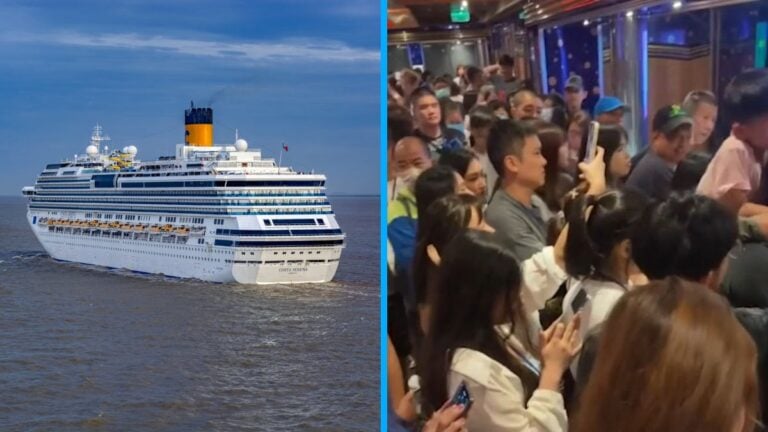
Costa Cruises’ Costa Serena shortened her most recent cruise due to Typhoon Gaemi, causing an angry crowd of passengers to refuse to leave the ship and demand refunds for their dramatically altered sailing, which also included three itinerary changes.
Though compensation was offered, not all guests were happy with the options given how significant the changes have been.
Costa Serena, which has been chartered for sailings from Taiwan, departed Keelung Port on Sunday, July 21 on what was to have been a 5-night cruise with visits to several destinations on Okinawa, Japan, including Ishigaki and Naha.
Costa Serena Passengers (Credit: Wu Shengyi)
According to the Epoch Times, Typhoon Gaemi had already formed and was threatening the region. Because of this, guests were notified the day before departure that the call to Ishigaki would not be possible. The itinerary was adjusted to visit Naha first, followed by a call to Miyako Island.
As the cruise got underway, further changes were necessary and Miyako Island was cancelled and two days at sea would be substituted instead. Furthermore, the time in Naha was slashed dramatically, limiting time in port. At that time, all guests were given a $100 cruise credit.
As Typhoon Gaemi continued to strengthen, it was decided on Tuesday, July 23 that the cruise must be cut short, and the ship would return to Taiwan on July 24 to Kaohsiung rather than Keelung for debarkation one day earlier than planned.
The two cities are on opposite ends of Taiwan, 374 kilometers (232 miles) apart, approximately a four-hour drive or just under three hours by train.
The chartering travel company arranged rail transportation for all guests as well as compensation for one day’s travel expenses due to the early debarkation.
The 114,147-gross-ton, Concordia-class Costa Serena can welcome 3,700 guests aboard, and is also home to approximately 1,100 international crew members.
Guests Revolt Onboard Costa Serena
When Costa Serena docked in Kaohsiung to debark, a large crowd of guests refused to leave the ship. Instead, they gathered in public spaces onboard, chanting phrases like “Refuse to get off the ship!” and “Refund the money!” in protest of what they perceived as unfair compensation for such a radically altered cruise.
Authorities hope that all travelers will choose to return home safely first, while coordinating their dispute with the cruise line at a later time. This would be a way to ensure everyone could be involved with the effort while permitting tempers to cool from the upsetting situation.
Typhoon Gaemi is currently crossing over the northern portion of Taiwan, just 37 kilometers (23 miles) southwest of Keelung. The storm’s maximum sustained winds have been recorded at 105 miles per hour, making it a Category 2 hurricane on the Saffir-Simpson Hurricane Wind Scale.
The storm is moving west-northwest, and is expected to cross over the Taiwan Strait and make landfall in mainland China late on Thursday or in the early morning hours of Friday.
Costa Serena Cruise Ship in Asia (Photo Credit: Mystic Stock Photography)
All cruise travelers know that sailing during storm seasons can be a challenge, and itinerary changes—even very dramatic ones that involve shortened sailings—are always possible. Cruisers should always be flexible with their travel plans, particularly during storm seasons.
While typhoons can form year-round in the southeast Asia region, the time when the most severe, strongest storms are typically noted is from late July through September.
Typhoon Gaemi is the first storm to impact Taiwan this year, bringing strong winds, heavy rain, and threatening storm surge to the island. More than 200 injuries and at least 2 deaths have been attributed to the storm so far.