Blog Page 17

Norwegian Cruise Ship Fails US Inspection, Crew Already Addressed Many Issues

Key Aspects:

  • Norwegian Dawn received a CDC sanitation score of 84, below the passing threshold of 86.
  • Inspectors documented food safety issues, including improperly cooled products and contaminated equipment.
  • The crew addressed many problems during the inspection.

A routine health inspection by the US Centers for Disease Control and Prevention has given Norwegian Cruise Line’s Norwegian Dawn an unsatisfactory sanitation score.

The inspection took place on March 29, 2026, under the CDC’s Vessel Sanitation Program (VSP), which monitors health and sanitation conditions on cruise ships that call at US ports.

Inspectors gave the ship a score of 84. Cruise ships must score 86 or higher to pass a CDC inspection, which is conducted as a means of reducing the risk of foodborne illness and other health problems on cruise ships.

The inspection of Norwegian Dawn examined food preparation areas, buffets, storage rooms, sanitation systems, and water systems across the ship. Investigators identified multiple problems involving food storage temperatures, equipment cleanliness, and maintenance issues in galleys and service areas.

“Several food service violations with critical public health risks were identified during the inspection that were not identified through managerial monitoring and controls,” stated the report.

However, the report added that crew members addressed many of the issues as inspectors identified them during the visit.

“Crew reacted quickly and professionally to initiate corrective action of all findings,” it said.

CDC sanitation inspections are conducted without advance notice and typically occur twice a year on cruise ships that regularly sail to US ports. The results are made public through the agency’s VSP website.

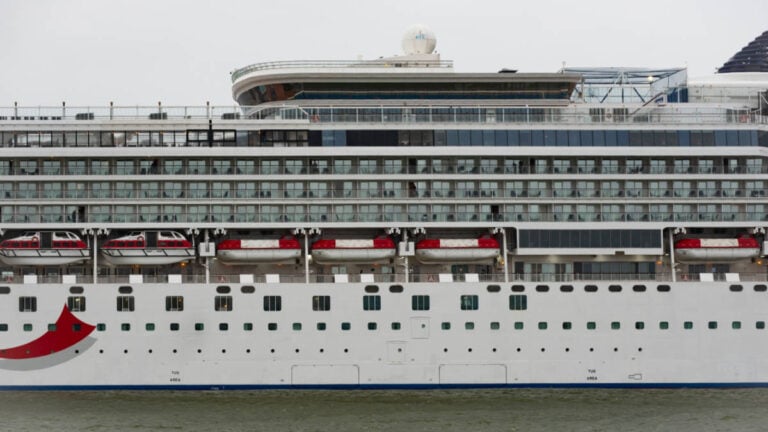
The 2,290-passenger ship was inspected while homeported in Tampa, Florida, ahead of a 7-night Western Caribbean cruise that included stops in Cozumel and Costa Maya, Mexico; Harvest Caye in Belize; and Roatan, Honduras.

Report Lists Safety and Cleanliness Problems

The CDC inspection report listed a wide range of issues found in food service areas and storage rooms throughout the 92,250-gross-ton ship.

One of the most serious concerns involved food being stored at temperatures that were too warm. Inspectors found milk, cream, and several types of cheese stored in refrigerators where the internal food temperature measured 44°F to 45°F, higher than the CDC’s recommended limit of 41°F for perishable foods. 

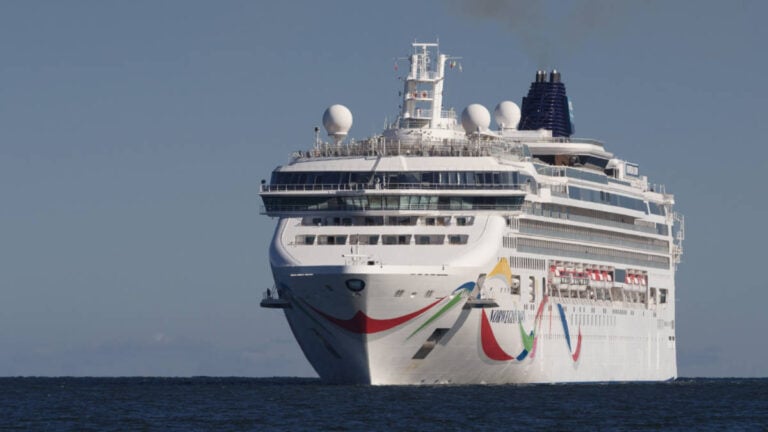
Norwegian Dawn Cruise Ship
Photo Credit: Darryl Brooks / Shutterstock

Investigators also found that some refrigeration units themselves were running too warm, with air temperatures reaching 47°F. Boxes of food were stacked tightly together, which restricted airflow and made it harder for the refrigerators to stay cold enough.

The surprise visit also documented cleanliness issues involving equipment used to prepare or store food. Two ice machines were found with black and pink debris buildup on surfaces that come into contact with ice. 

Said the report, “The ice machine was excessively soiled with greater than a day’s accumulation of black and pink debris on food-contact surfaces.”

Both machines were immediately taken out of service so they could be cleaned and sanitized.

Other problems included mold-like buildup on refrigerator gaskets, rusted utensils stored in cabinets, and condensation dripping from ceilings in food preparation areas.

Inspectors also observed fruit flies in a crew dining area. At one point, a fly was seen resting on bread that was being served during lunch. The bread was removed once the issue was pointed out.

The report also highlighted issues with the ship’s water safety equipment. Some backflow prevention devices, which help protect drinking water from contamination, had vents that were blocked or improperly sealed.

After receiving a low score, cruise lines are expected to correct the problems and submit documentation outlining how the issues were addressed.

Norwegian Dawn left Tampa following its March 29 Caribbean voyage on April 5, 2026, to reposition to the Mediterranean for the summer season. It will arrive in Lisbon, Portugal, on April 18, 2026. 

The CDC does not oversee vessels in Europe, and the ship has not submitted its corrective action report to the CDC as of press time.

The last time the CDC gave an unsatisfactory grade to a cruise ship was the Villa Vie Odyssey by Villa Vie on July 9, 2025. Prior to that, seven years had passed since a ship had received a failing grade.
Mystery Submarine Spotted Lurking Near Sun Princess in the Mediterranean

Key Aspects:

  • Sun Princess had a close encounter with a military submarine in the Mediterranean this week.
  • There was no interaction between the vessels but the surfaced sub provided great views to guests.
  • Submarine sightings are rare for cruise guests, but there are other ways to enjoy these unique naval vessels.

A favorite pastime of many cruisers is watching the water as they’re sailing to see if there might be dolphins, sea turtles, or even whales alongside the ship. Guests onboard Sun Princess recently, however, spotted something very different.

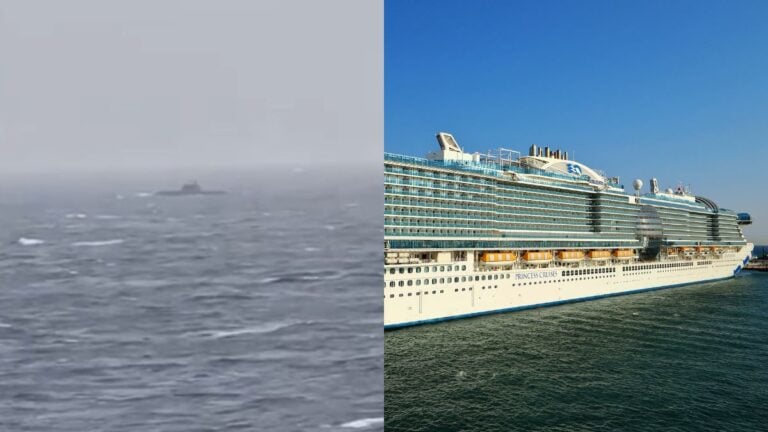
In a video posted online on Monday, April 13, 2026, a submarine is seen lurking a short distance off the side of the cruise ship. The submarine was surfaced but low in the water on an otherwise hazy day, just cruising along.

The obvious military craft did not appear to interact with the cruise ship and there was no tension with any vessels nearby. Sun Princess did not change her course or take any other action.

No identification is apparent on the submarine, which might belong to any of several naval forces in the region. With all the tensions in the Middle East, it is possible the vessel is on protective maneuvers or monitoring. There are more than 450 submarines in operation around the world, with more than 35 countries having submarines in their navies.

For example, Italy, Greece, the UK, and Turkey all have submarines, and any of them could have been in the vicinity at the time the cruise ship was passing by. The vessel could also be from other nations supporting allies in the Mediterranean while military action is heightened in the region.

While the exact date of the sighting was not confirmed, Sun Princess is currently on a 7-night one-way cruise from Rome to Athens. The ship departed Italy on Saturday, April 11, visited Naples the next day, and spent Monday, April 13, leisurely at sea.

The brief sighting has had no impact on 175,500-gross-ton, Sphere-class ship, which continued on to Crete on Tuesday and will visit Kusadasi on Thursday, followed by Mykonos on Friday before arriving in Athens on Saturday, April 18.

Sun Princess can welcome 4,300 guests aboard at double occupancy. The ship is sailing in the Mediterranean through the summer and fall, and will move to Fort Lauderdale in November for the winter Caribbean season.

Guests Enjoy Unique Sightings

Reactions to the submarine sighting showed just how much fun cruise guests can have with other naval activity.

“Not even yellow. I am disappointed,” one commenter responded in reference to The Beatles’ 1966 chart-topping hit, “Yellow Submarine.”

Others shared unique sightings they’ve had during various sailings, such as seeing an active aircraft carrier nearby on one cruise and witnessing military exercises on another.

Still more jokes referenced “The Hunt for Red October,” a 1990 spy film about a Soviet naval captain defecting to the US with a submarine, based on Tom Clancy’s 1984 novel.

Multiple guests note that submarines are seen occasionally in the Mediterranean, but the rare sight is still one to be enjoyed. To see one of these vessels “in the wild” is still a very unusual sighting indeed.

Guests have a better chance of seeing a submarine at certain homeports, such as Port Canaveral, where submarines occasionally use the port for training, ordnance replenishment, taking on supplies, or personnel transfers.

Better still are options to tour decommissioned submarines, which gives guests a great opportunity to get up close and personal with the unique vessels. The USS Drum is just two miles from the Port of Mobile, the USS Cavalla is a five-mile drive from the Port of Galveston, and the USS Growler is just down the street from the Manhattan Cruise Terminal.

Another great option for guests to enjoy submarine encounters is with a semi-submersible or full submarine shore excursion (or rather, underwater excursion) at different ports of call. This can be a fun way to see coral reefs and marine life without getting wet. These types of tours are popular in many destinations throughout the Caribbean.

Do Cruise Ships Still Use a Steering Wheel?

While you might envision cruise ship captains standing on the bridge, steering ships in and out of port via a massive wheel, the reality is a lot less dramatic, but definitely more technologically interesting. 

That’s right. Modern ships, cruise or otherwise, do not use steering wheels in the traditional sense. Instead, they use highly technical, innovative processes that make it possible to steer these massive vessels with just a few simple moves. 

Here’s everything you need to know about cruise ship steering.

The Basics of Cruise Ship Steering

While the technology may be different, the basics of cruise ship steering are broadly the same as they’ve been for centuries. 

The ship has its rudder, which is typically a large, vertical, flat metal blade at the back of the ship. It sits behind the propellers. When the rudder moves, it changes the flow of water coming off the propellers and, thus, the ship moves. 

From old fashioned ship steering wheels to today’s tech heavy systems, the rudder is still the key component that changes the ship’s direction. 

What is a Ship’s Steering Wheel Called?

A ship’s steering wheel is called a helm and, even though typical steering wheels are not used on larger ships today, the steering and control station on a ship can still be referred to broadly as “the helm,” (for example, you might hear statements such as “the captain is at the helm”). 

Who Drives a Cruise Ship?

While the captain is the head of the cruise ship, others who may be involved in driving the ship include navigators, with titles including the helmsman, quartermaster lookouts, Officers of the Watch, assistant Officers of the Watch, cruise ship pilots and navigation cadets.

Why Do We Think Cruise Ships Use Steering Wheels?

I’ve been on multiple cruise ship bridges over the years, and these behind-the-scenes glimpses into a cruise ship’s operations are always a treat. 

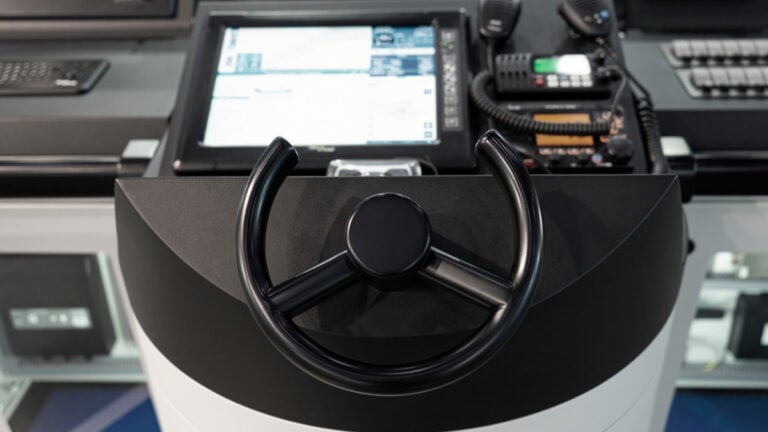
However, if you’re visiting the bridge hoping to see a giant wheel (as so many newbie cruisers often do), you’re going to be sorely disappointed. You may see a tiny (smaller than a car’s steering wheel) wheel mechanism, but it probably won’t even be in use. It’s reserved for emergency situations only.

Cruise Ship Steering Wheel
Cruise Ship Steering Wheel (Photo Credit: nattapon supanawan / Shutterstock)

So why do we always think of cruise ships, or any large ship for that matter, as using gigantic steering wheels to get around?

Maybe it’s because we’re accustomed to that kind of imagery thanks to pop culture and movies set in the era of pirates and privateers. Maybe it’s because we think that’s how ships have always been steered.

You might be surprised to know, though, that that’s not really the case at all. Ships have been steered several different ways over the long history of sea travel.

The History of Cruise Ship Steering

As detailed in a fascinating article from the U.S. Naval Institute magazine, the ship’s wheel was only introduced in the 18th century. Prior to that, other steering mechanisms were used.

These devices included the steering oar, rudders and tillers, ropes and pulley systems, and whip staffs, among others. While they worked for the time, though, they weren’t ideal as ships became bigger and more agility was necessary during naval battles or similar tight spots.

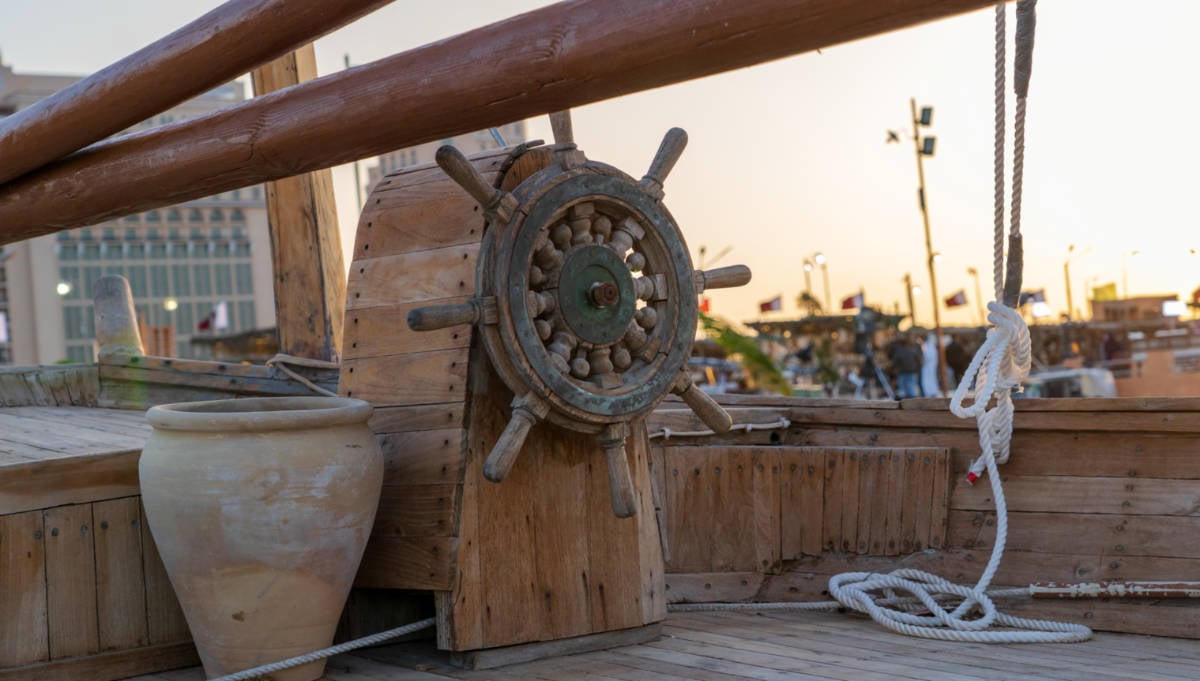
Classic Wooden Steering Wheel
Classic Wooden Steering Wheel (Photo Credit: SLSK Photography)

As such, with a bit of engineering ingenuity, the British Royal Navy began developing the earliest version of a ship wheel. It caught on quickly due to its clear superiority, and soon it became the go-to, all around the world.

Of course, the same evolution that brought on the invention of the ship wheel also led to its demise. Ships continued to become bigger and bigger and bigger, and the wheel just wasn’t a feasible option for the typical sea-going vessel.

Today, your best bet for seeing such a ship’s wheel is to visit a naval history museum or similar, to check out some historic ships, because you’re not going to find one on modern vessels.

How Are Cruise Ships Steered Today?

So if ships do not use wheels today, how exactly are they steered?

There’s a really great and short video from Princess Cruises that breaks it down, but I’ll break it down here for you, too.

As the Captain explains and shows, there is a very small wheel on the bridge, but it’s not often used, just in particularly difficult ports. Otherwise, they utilize a track control system, electronic controls, and a joystick to keep the ship “on track.”

Navigational Controls
Photo Credit: donvictorio

Much like on an airplane, the ship can do a lot of the process on its own, with navigators monitoring and ensuring the ship’s progress on computer screens, just to ensure that everything is running smoothly.

If you want another look at the process, and a bit more of a deep dive into the physics of it all, Simple Things Simplified likewise published a good video showing off the mechanisms on Royal Caribbean’s Wonder of the Seas.

In this video, we likewise see an officer using a joystick to guide the ship as needed, but then the narrator goes into just how steering a ship of this magnitude is possible with such a seemingly tiny bit of technology, detailing what’s called an azimuth thruster, and the physics necessary for moving a cruise ship.

Cruise Ship Steering Today vs. The Old Wooden Steering Wheel

Cruise Ship Steering TodayThe Old Wooden Steering Wheel Method 
How it WorksAn electronic system uses a joystick, track control system, GPS, radar, and similar devices to steer the ship with minimal human help needed.The wheel connected to the rudder through the ship’s decks and manual, physical force was always necessary for the ship to move.
Effort RequiredWhile extensive training and expertise are required, the actual steering requires little to no effort on the part of the captain or navigator.Quite a lot of strength was necessary to move these old steering wheels, sometimes even requiring multiple crew members, in heavy weather. 
PrecisionAn electronic system uses a joystick, track control system, GPS, radar, and similar to steer the ship with minimal human help needed.The navigation was all on the captain and navigators, and a precise course was less guaranteed.
Response TimeThe joystick and electronic system responds almost immediately to manual changes.Due to all the mechanical engineering across decks, there could be some wait time between the turning of the wheel and the actual movement of the rudder.
Crew Members NeededThe system can be monitored by only one crew member (though many more are on the broader navigation team).Several individuals would be needed to move the wheel in certain conditions.
Safety and EffectivenessThese systems are very safe and effective, with few errors and, even if an error or failure was to occur, backups exist, even those small wheels that can be used if absolutely necessary.No backups were immediately available, adding to the riskiness of ship travel during historic time periods.
LocationSteering is done from an enclosed bridge.The steering wheel would typically be situated out on the open deck, giving the captain a clear line of sight.

Norwegian Dawn Changes Debarkation Port to Another Country

Key Aspects:

  • Norwegian Dawn will be debarking in Tarragona, Spain rather than Lisbon, Portugal on October 4, 2026.
  • The ship’s Barcelona departure on September 27 is unchanged, but the port visit to Portimao is also dropped.
  • Guests are being offered onboard credit, future cruise credits, and travel reimbursement as compensation.

How would you feel if your cruise vacation didn’t end where you expected, but instead would end in a completely different country than planned? That is what guests sailing on Norwegian Dawn‘s September 27, 2026 departure are now facing.

Norwegian Cruise Line has reached out to guests booked on the 7-night cruise to alert them to the change. The sailing was to have been a one-way voyage from Barcelona, Spain to Lisbon, Portugal, with visits to Palma de Mallorca, Valencia, Motril, Gibraltar, Cadiz, and Portimao along the way.

While Norwegian Dawn will still be departing from Barcelona as planned, the ship will not be going to Portugal at all.

“The cruise will now disembark in Tarragona, Spain, due to port availability in Lisbon, Portugal,” the email notification explained.

A Major Travel Detour for Guests

This change can be problematic for travelers who had already planned their post-cruise travel plans from Lisbon. The two cities are approximately 580 miles apart, as Tarragona is located in eastern Spain on the Balearic Sea, completely across the Iberian Peninsula from Lisbon.

Depending on how guests might move between the cities, the drive can take 11-12 hours. Train and flight options are also available, but schedules will vary.

Since Norwegian Dawn will be arriving in Tarragona at the same time she was planned to arrive in Lisbon, 6 a.m. on Sunday, October 4, there is no margin for guests to meet any flights they may have planned on debarkation day.

Even if guests had planned very late flights that day in order to enjoy exploring Lisbon, those exploration plans would need to be cancelled just to have enough time to reach the city.

This news follows a previous Cruise Hive report on Norwegian Dawn switching embarkation ports from Barcelona to Tarragona for the August 2, 2026 sailing. In that case, however, the cities are just an hour apart and travel arrangements would be much simpler.

Norwegian Dawn Vessel
Norwegian Dawn Vessel (Photo Credit: Vytautas Kielaitis)

In addition to the debarkation port change, Portimao, Portugal, has also been removed from the itinerary, and the ship will be spending the day at sea instead. This is necessary to ensure Norwegian Dawn can reach Tarragona as planned for an on-time debarkation.

No other port visits on the itinerary are impacted at this time.

Because this is a debarkation port change, however, the embarkation port for the next sailing is also changing. The October 4, 2027, departure from Lisbon will now be embarking in Tarragona, and guests booked on that cruise should be on the lookout for updated information about their sailing.

Why Such a Dramatic Port Switch?

Norwegian Cruise Line has only cited “port availability in Lisbon” as the reason for the extreme change in debarkation ports. On October 4, four ships are scheduled for Lisbon.

In addition to Norwegian Dawn, Celebrity Apex will be in port, along with two smaller, regional river cruise ships from Uniworld Cruises.

It is possible that port construction, dredging operations, or other projects may have changed the availability in Lisbon, necessitating the switch.

Guests are receiving some compensation, however. All guests are being offered up to $300 to reimburse for travel change fees and adjustments.

Furthermore, guests onboard are receiving $200 in onboard credit for the cruise as well as a 20% future cruise credit to use on another Norwegian Cruise Line sailing.

Whether or not the offered compensation is adequate to cover the changes to guests’ plans will depend on individual arrangements. Fortunately, with nearly six months before the cruise sets sail, guests have plenty of time to shop for the best deals and make plans that can fit their budget.

Norwegian Cruise Line Settles with States Over COVID Sales Tactics

Cruising shut down worldwide in 2020 as COVID-19 spread, but years later, the industry is still dealing with the fallout.

On April 10, 2026, a group of state attorneys general announced a settlement with Norwegian Cruise Line (NCL) over how the company promoted cruises and communicated with customers during the early months of the pandemic.

Illinois Attorney General Kwame Raoul said the investigation looked at whether NCL’s marketing and sales messages misled consumers about the safety of cruising at the time.

The settlement applies to NCL Bahamas Ltd., the corporate entity behind the cruise line.

State officials said the agreement is meant to prevent cruise companies from making unsupported claims about safety or travel conditions during future emergencies.

“I am pleased that this settlement sends the clear message that in times of emergency, it is crucial to put people before profits,” Raoul said. “I remain committed to advocating for consumers to ensure that their rights and safety are protected.”

Under the agreement, NCL cannot make deceptive or unsubstantiated statements to customers during future disaster declarations.

The cruise line must also introduce new training for employees who interact with customers and ensure senior management reviews marketing messages before they are used during emergencies.

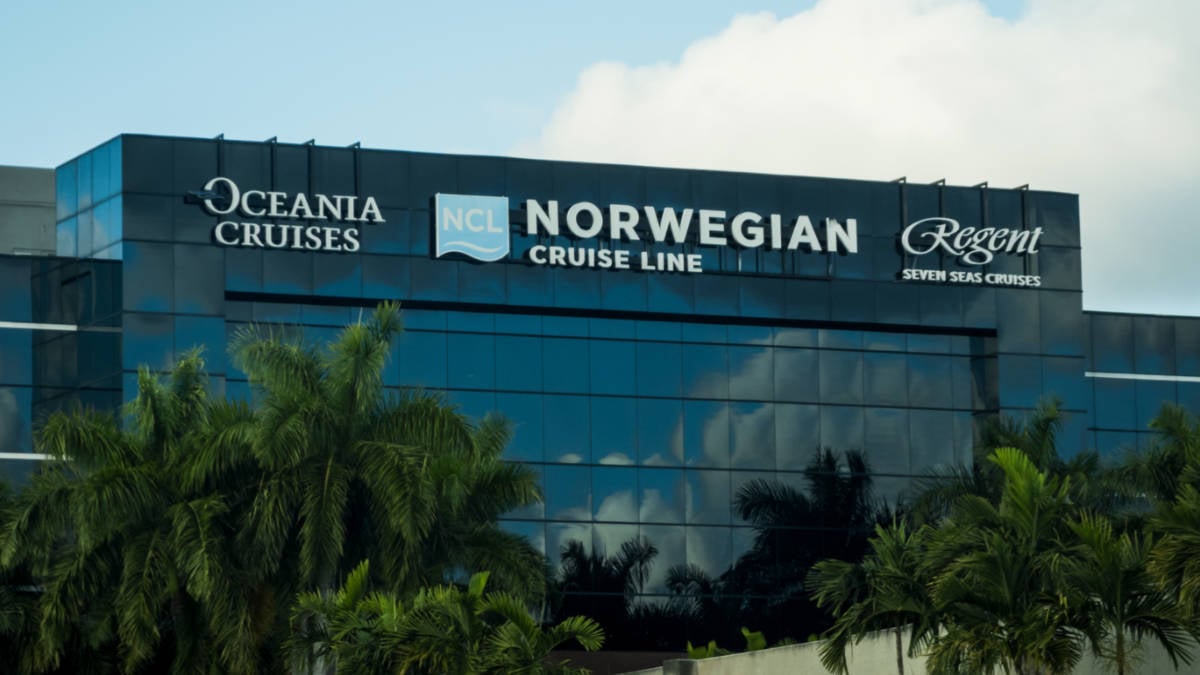
Norwegian Cruise Line Holdings Office
Norwegian Cruise Line Holdings Office (Photo Credit: Michael Berlfein)

The announcement also highlights how much money was returned to passengers after cruises were cancelled during the pandemic.

Between March 2020 and November 2025, NCL issued more than $3 billion in reimbursements to customers across the United States. That total includes about $2.6 billion refunded to credit cards and another $505 million issued as future cruise credits.

NCL will also pay $2 million to the states involved in the settlement, including $116,000 to Illinois.

The settlement includes attorneys general from Connecticut, Florida, Louisiana, Minnesota, North Carolina, Nevada, New Jersey, Pennsylvania, Texas, Utah, and Wisconsin.

Investigation Traces to Early Pandemic Sales

The dispute dates to the chaotic early weeks of the COVID-19 pandemic, when cruise ships were rapidly cancelling voyages and passengers were trying to decide whether it was safe to sail.

In March 2020, the Florida Attorney General’s Office opened an investigation into NCL after internal sales scripts were leaked to the media. Those messages allegedly instructed sales staff on how to respond to customers worried about the coronavirus.

Some of the talking points suggested the virus could not survive in warm tropical weather or implied cruises were less risky than other types of travel.

Leaked scripts included, “The Coronavirus can only survive in cold temperatures, so the Caribbean is a fantastic choice for your next cruise” and “The only thing you need to worry about for your cruise is do you have enough sunscreen.”

The cruise line said at the time that the statements did not represent company policy and that employees were instructed not to use the scripts.

The controversy came as the entire cruise industry faced growing scrutiny over COVID outbreaks onboard ships. Within weeks, the US Centers for Disease Control and Prevention issued a “No Sail Order,” halting cruise operations from US ports. The shutdown lasted more than a year and forced cruise lines to cancel thousands of voyages worldwide.

State officials say the goal is to ensure that future marketing and sales messages accurately reflect travel risks if another crisis affects the industry.

MSC Cruises Bumps Up Gratuity Fees Starting This May

Key Aspects:

  • MSC Cruises is raising hotel service fees for all guests beginning May 11, 2026.
  • Rates will go up by $1 per guest, per night for standard staterooms and $3 for MSC Yacht Club staterooms.
  • Guests can adjust their gratuity rates onboard if they do not receive satisfactory service during their cruise.

Following similar hikes by other cruise lines, MSC Cruises is quietly raising the fees for its “hotel service charge” (aka, gratuities) for all guests. The new rates will go into effect for all sailings on or after May 11, 2026.

Booked guests have been emailed about the rate increase, while the cruise line’s website does have the new rate listed. The change is an increase of $1 per night per guest for standard staterooms, and $3 per guest per night for the exclusive MSC Yacht Club.

The increase makes the new rates $17 (previously $16) for standard staterooms, and $23 (previously $20) for MSC Yacht Club suites.

No hotel service charges are assessed for children under the age of 2, regardless of stateroom type.

There are limited options for guests to adjust the hotel service fee onboard if they wish. While the cruise line states that the daily amounts have been calculated with high service standards in mind and “cannot be modified,” guests can contact the Guest Relations Manager onboard if they wish to remove any of the charges due to unsatisfactory service.

Because MSC Cruises is a strongly global line, the hotel service charge rates do vary in different sailing regions. This specific increase is only impacting Caribbean and Alaska rates.

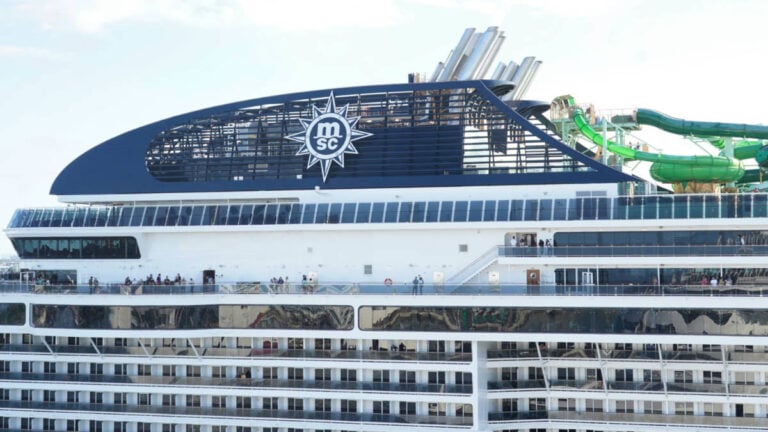
Cruise Hive has already reported that MSC Poesia, just out of a dry dock refreshment, is now on her way to begin the line’s first-ever season in Alaska. That first departure from Seattle is on May 11, the same day the hotel service charge increase takes effect.

MSC Seaside Docked in Miami, Florida
MSC Seaside Docked in Miami, Florida (Photo Credit: Ivan Cholakov)

Guests on upcoming sailings who have already pre-paid for gratuities will not need to make up any difference, even if their cruise departs after May 11.

“We are happy to honor the current Hotel Service Charge for guests who have already paid, as well as those who choose to prepay before the policy change on May 11, 2026,” the cruise line states.

In other sailing regions, MSC Cruises’ hotel service charges are not changing. The rate ranges from $14-19 (USD) for standard staterooms and from $19-23 for MSC Yacht Club staterooms in different regions. In some areas, children ages 2-11 have slightly lower service charge rates, but children younger than 2 never have the charges assessed.

Other Lines Also Making Gratuity Adjustments

Multiple cruise lines have been making gratuity adjustments in recent weeks. Margaritaville at Sea was one of the first to raise rates with an increase from February 1, 2026. Standard staterooms now pay $22 per person, per night while suites pay $25 per person, per night.

Carnival Cruise Line announced an increase to $17 for regular staterooms and $19 for suites in early February. That price change took effect on Thursday, April 2.

More From Cruise Hive

Holland America Line has also announced a $1 per person, per day gratuity increase for all stateroom types, though that change will not impact guests until June 1, 2026.

Budget-savvy cruise guests who may be undecided between different cruise lines can calculate their gratuities and compare across lines to decide what rates work best for their vacation plans.

While small increases of just a dollar or two a day may not seem like much, they can add up significantly for a weeklong family cruise when all family members are assessed gratuities. This type of budget planning is even more important when other service charges and amenities, such as specialty dining and drink packages, add up as well.

It is not uncommon for multiple cruise lines to adjust gratuity rates all within a few weeks, and additional cruise lines may yet be planning rate increases of their own soon.

MSC Cruises Now Charging for Previously Free Baby Care Service

Key Aspects:

  • MSC Cruises’ Baby Care service is no longer free for guests across the fleet.
  • Full pricing and terms have not been disclosed for the previously included service.
  • Other cruise lines already charge fees for nursery care and after-hours babysitting.

Parents planning the ultimate family getaway aboard MSC Cruises ships have discovered the quiet addition of new fees to the cruise line’s MSC Baby Care service.

While there has been no official announcement of the new fee, the cruise line’s website does note that “charges apply” for Baby Care. The cost is not clarified and may vary depending on itinerary, schedule, the amount of time the service is used, and other factors.

MSC Cruises has confirmed that there is now a charge for the previously free service.

“The Baby Care service has been updated over time. Previously, it included two complimentary 2‑hour slots per day, this has since changed to a revised structure with more availability, which is now chargeable,” the cruise line responded to inquiries on X.

Most frustrating to guests is the fact that this is not a new service and there seem to have been no substantive changes other than a “revised structure with more availability.”

Previously, Baby Care was only available for roughly two-hour time slots, twice per day. This would give parents some limited options to enjoy adults-only time, such as a massage in the morning or a cocktail hour in the evening.

The cruise line’s website now shows updated information and further details. Baby Care is available for eight hours per day and still has a limit of no more than 15 babies at one time. The service is only available for babies from six months to three years of age and parents must register their children onboard in order to participate.

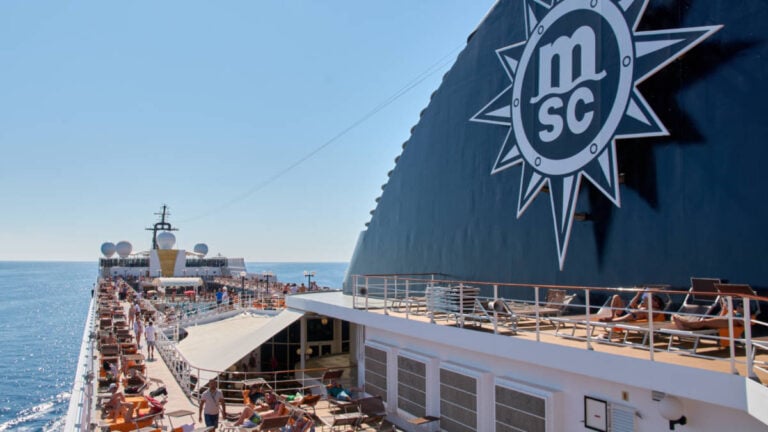
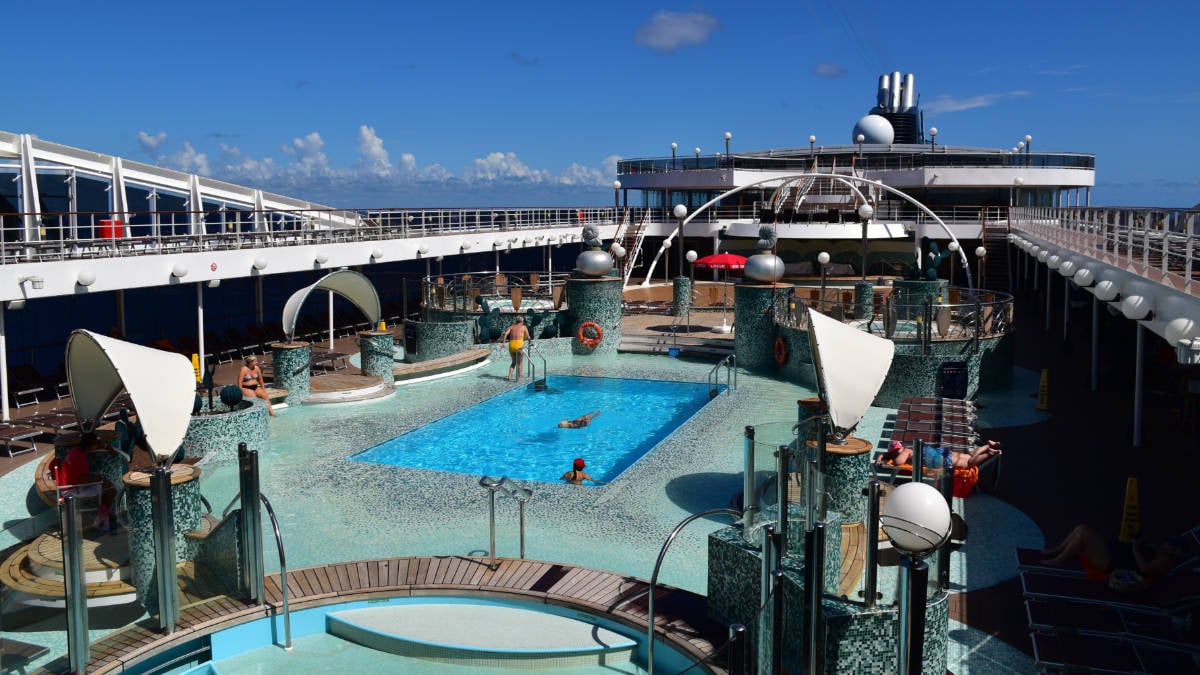
MSC Magnifica Open Deck
MSC Magnifica Open Deck (Photo Credit: venuswix)

MSC Baby Care is available across the entire MSC Cruises fleet of 23 vessels, including the newest ship, MSC World America, and the upcoming MSC World Asia, scheduled to debut in December 2026.

The program is offered in partnership with Osservatorio Chicco (Baby Research Center) to create a holiday “tailormade for babies.” Dedicated staff supervise the babies at play in baby-only spaces.

Other Cruise Lines Also Charge for Nursery Care Services

It is the sudden change to a for-charge service that is most surprising to guests. Without publicly disclosed rates, parents cannot plan ahead for the service and whether or not it will fit their cruise vacation budget.

This follows changes aboard most cruise lines in recent years, with previously free services now being for-fee amenities. Room service was one of the first amenities to be assessed a fee, either through a delivery charge or a-la-carte pricing for menu items.

MSC Cruises charges per item for room service, with options varying based on the booking “experience” package guests select when planning their cruise.

Another dining fee is also assessed in the complimentary main dining rooms, with a $5 surcharge for ordering more than one entree from each night’s menu. Other cruise lines have similar fees.

MSC Cruises is not the only line to charge for some youth care services, either. While general youth programs are typically complimentary, individual babysitting services (where available) or select after-hours care does have a cost.

Royal Caribbean, for example, offers a “Late Night Party Zone” group sitting for young cruisers ages 3-11 from 10 p.m. to 1 a.m. for an extra fee, and the Royal Babies & Tots Nursery offers care for infants from 6-36 months for $9-12 per hour.

Carnival Cruise Line also offers an “Under 2” drop-off nursery time on select sailings and at limited times for $9 per hour per child plus a 20% service charge. The Night Owls babysitting fee is the same.

With MSC Cruises now adding a fee, the cruise line is more closely aligned with competitor cruise lines in how services are charged.

Stepbrother Indicted as Adult in Cruise Ship Murder of Anna Kepner

Key Aspects:

  • The 16-year-old stepbrother of Anna Kepner has been charged with murder and aggravated sexual abuse.
  • 18-year-old Kepner was killed onboard Carnival Horizon in early November 2025.
  • Kepner’s stepbrother will face a maximum penalty of life in prison if convicted.

Five months after the tragic death of Anna Kepner during a family vacation aboard Carnival Horizon in November 2025, official charges have been filed against the young woman’s 16-year-old stepbrother.

The US Department of Justice has identified the young man simply by the initials T.H., but he has been indicted as an adult. The charges include murder in the first degree and aggravated sexual abuse. Initially, T.H. was to have been charged as a juvenile but the case was transferred for adult prosecution.

“Our hearts go out to the victim’s family during this unimaginable loss,” said US Attorney Jason A. Reding Quiñones for the Southern District of Florida.

“A federal grand jury has returned an indictment charging serious offenses that allegedly occurred aboard a vessel in international waters. We will present the evidence in court and pursue this case with professionalism and care. As in every case, the defendant is presumed innocent unless and until proven guilty beyond a reasonable doubt.”

Attorneys and court officials make the determination for juvenile versus adult prosecution based on the crime’s severity and individual circumstances, including the histories of those involved as well as psychological evaluations and other information.

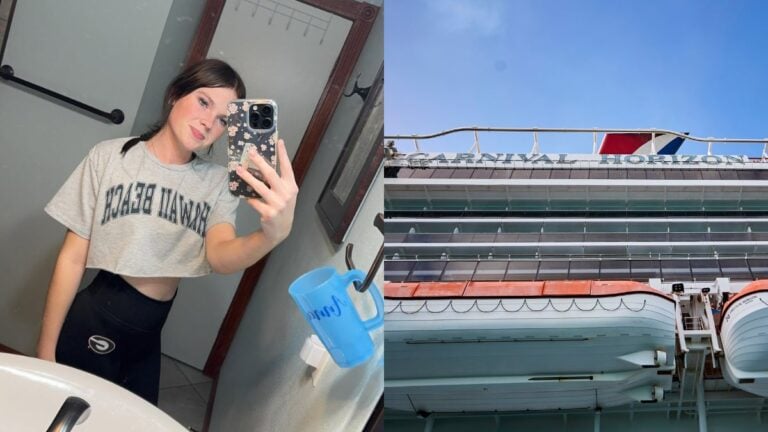
Carnival Horizon and Anna Kepner
Carnival Horizon and Anna Kepner (Credits: Ceri Breeze & anna.kepner16)

If T.H. is convicted, he will face a maximum penalty of life in prison. Assistant US Attorney Alejandra L. López is prosecuting the case.

Cruise Hive has followed the case closely, from the time Kepner was first discovered deceased onboard Carnival Horizon. Carnival Cruise Line has not commented publicly on the case, as is standard for any ongoing legal proceedings.

To be clear, no crew members were involved in the incident and the cruise line is not part of the lawsuit.

The Death of Anna Kepner

Anna Kepner was found dead in her cruise ship stateroom on November 8, 2025. She had embarked Carnival Horizon in Miami on November 2 for a 6-night Western Caribbean sailing to Grand Cayman and Cozumel with her family.

Kepner was sharing a stateroom on Deck 8 with the 16-year-old T.H. and another 14-year-old stepbrother. She was found wrapped in a sheet beneath the bed and hidden by lifejackets after failing to arrive for breakfast on Saturday, November 8, the last day of the cruise.

First reports of her death did not identify Kepner as the victim, but the news quickly broke about the tragedy. Because of the suspicious nature of the death, the Federal Bureau of Investigation (FBI) was notified and took charge of the investigation.

The cause of death was determined to be “mechanical asphyxiation” from a bar hold, a type of brutal strangulation by leaning a forearm across the victim’s throat. The cruise ship was in international waters at the time of Kepner’s death.

Anna was a senior at Temple Christian School in Titusville, Florida. She was set to graduate in May 2026 and had ambitions to join the military.

Tremendous drama has surrounded the investigation into her death, particularly when text messages sent between Kepner’s stepmother and her ex-husband, T.H.’s father, seemed to indicate a type of damage control mindset for the parents who already suspected their son might be charged.

Kepner was beloved in her community and had hundreds of tributes from classmates, teachers, friends, co-workers, and other community members.

All authorities involved in this case have continued to stress that T.H. is innocent until proven guilty beyond a reasonable doubt in a court of law. At this time, no trial date has yet been announced.

Costa Cruise Ship Rerouted to After Winds Shut Down Tunisia Port

Key Aspects:

  • Costa Smeralda will skip its April 15 call in La Goulette, Tunisia, due to forecast wind conditions that could make it unsafe to dock.
  • The Tunisia stop has been replaced with a port call in Cagliari, Sardinia.
  • Shore excursions in La Goulette were automatically cancelled and refunded, with new tours available for booking in Cagliari.

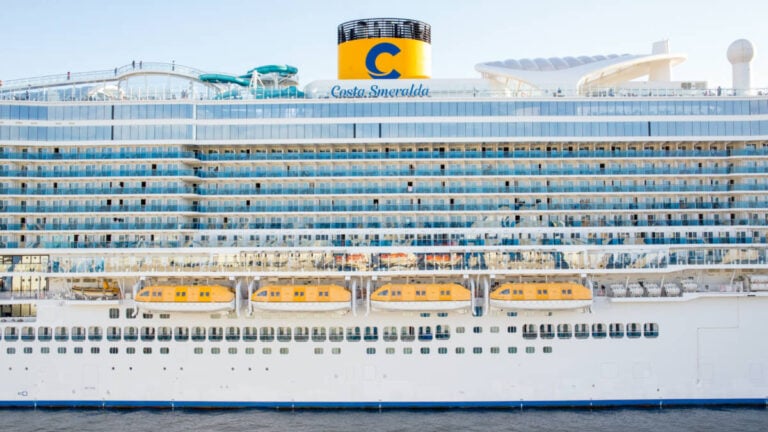
A Mediterranean sailing aboard Costa Smeralda, a Carnival Corporation Costa Cruises vessel, saw a key port removed from its itinerary after forecasts indicated wind conditions could make entry unsafe. Again.

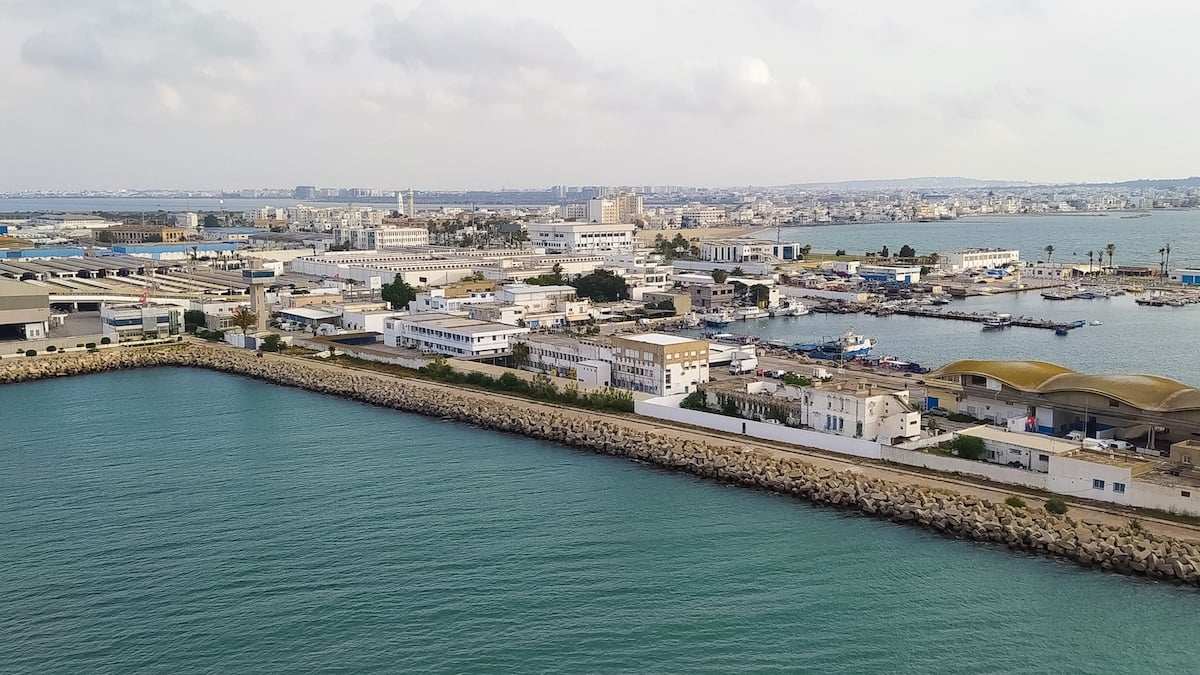
The itinerary change affected the ship’s scheduled call in La Goulette, Tunisia, the port serving the capital city of Tunis along the African country’s northern coastline, during a 7-night Western Mediterranean cruise that departed Barcelona on April 13, 2026.

According to the notice distributed to guests as they boarded the ship for the week, Costa Cruises had been monitoring weather forecasts along the vessel’s route and determined that wind conditions near the port could exceed safe limits for entering the harbor during its first call on Wednesday, April 15.

Weather forecasts noted unsettled conditions along Tunisia’s northern coast, including rain and shifting winds, with daytime temperatures near 76°F and continued storm activity.

Forecasts also warned of strong west winds, suggesting wind speeds reaching 20 to 30 miles per hour. These conditions would make it difficult for large cruise ships like Costa Smeralda to safely maneuver.

La Goulette
La Goulette cruise port and terminal at La Goulette at Tunisia (Photo Credit: Solarisys)

“Due to weather conditions expected in the port of La Goulette, it is anticipated that wind speeds could exceed the operational limits required for safe entry into the harbor,” said Captain Giovanni Cosini in a letter distributed to guests.

He continued, “For this reason, in line with our commitment to safety and in compliance with current maritime regulations, the itinerary will be modified.”

The disruption also follows a similar situation earlier this year, when Costa Smeralda was forced to cancel a scheduled stop in La Goulette after strong winds made docking unsafe on March 4, 2026. Instead, the ship diverted to Naples, Italy, as reported by Cruise Hive.

Passengers on this voyage were informed that the Tunisia call would be replaced with a call at the nearby Italian island of Sardinia’s Cagliari.

Visiting Italy

The 185,010-gross-ton Costa Smeralda began its current roundtrip voyage on April 13.

Under the original schedule, the ship was set to make its first stop in La Goulette on April 15 from 8 a.m. to 6 p.m. local time. The port serves as the main cruise gateway for the Tunis region and excursions often take guests to Carthage, the historic Medina of Tunis, and the seaside village of Sidi Bou Said.

Instead, the ship will visit Cagliari, where it is scheduled to dock from 8 a.m. to 5 p.m., giving passengers 9 hours ashore.

According to the letter sent to guests, shore excursions booked for La Goulette have automatically been cancelled, with refunds issued to the original payment method used for purchase.

Passengers are now able to book new excursions in Cagliari through the ship’s excursion desk or onboard booking system, with options typically including visits to the city’s historic Castello district, Roman ruins, and nearby beaches along Sardinia’s southern coast.

Aside from the port substitution, the remainder of the itinerary will proceed as scheduled, with Costa Smeralda continuing to Savona, Italy, on April 18, and Marseille, France on April 19, before the ship returns to Barcelona on April 20.