Are you curious about Carnival onboard credit and how you can spend it? You can technically spend Onboard Credit (OBC) in various ways and on almost anything you wish.
However, there are ways to receive the best value for your credit dollars. We list how you can benefit from the credit and how to avoid areas that may not be as advantageous.
OBC is money credited to Carnival Cruise Line’s “Sail & Sign” account for you to use while you are on your cruise. Charges appear on your account when you buy something with your Sail & Sign card.
When the cruise is over, you can settle your account by making the final payment using onboard credit, credit cards, or cash. Using up your onboard credit is always advisable, as the credit expires when the cruise is over.
How Can I Receive Carnival Onboard Credits?
The ways people receive OBCs are in the following manner:
Booking Deal. If you book your cruise during a promotion, you can receive between $25 to $1,000 of credit per stateroom.
Cancellations. If for whatever reason, the cruise is canceled and later rebooked, extra credit may be applied in addition to a Future Cruise Credit or FCC.
Price Drop. Carnival may provide the difference in credits if the price suddenly drops after you book it.
Compensation. If something goes wrong on your cruise, you may receive credits as an apology.
Military. Canadian and US Armed Forces can receive $50 credit per stateroom on specific cruises.
Shareholder. Carnival only gives shareholder credits if you own a minimum of 100 shares in the Carnival Corporation. For cruises six days and under, you get $50 OBC. On cruises lasting between 7 to 13 days, you can receive $100 in credit. On longer cruises, the credit may be $250.
Photo Credit: Camera walk / Shutterstock
Onboard cruise cash credits can go towards almost anything you buy while you are on the ship, with the exceptions of additions (port expenses, fees, and taxes), medical expenses, and purchases before boarding the ship. Carnival’s terms indicate that credits are not refundable, have no cash value, and aren’t transferable.
How to Best Use the Credits and What to Avoid
When using the credits while sailing, some things provide more value, and some things cost the most to buy when using onboard credit. We list the things cruisers can use their credits on, ranging from the best value to the worst.
Specialty Dining
You can use onboard credits to dine in specialty restaurants. However, you must make reservations after boarding. If you book using onboard credit, the restaurant you want may be full, so it is best to book as soon as possible after boarding.
Photo Courtesy: Carnival Cruise Line
Specialty dining can range from an $18 meal at Ji Ji Asian Kitchen to an $80 dinner at The Chef’s Table. This is a great way to treat yourself for those who don’t regularly attend any specialty dining experiences.
Gratuities
Your credit can go towards tips if you haven’t prepaid them before boarding. Tips generally cost $14.50 for each person daily for most rooms. Paying gratuities using onboard credits provides a wonderful way to avoid the bill when the cruise ends.
Many say this is one of the best ways to use OBC, as you should pay gratuities for excellent service. Furthermore, there is no benefit from utilizing another form of payment or prepaying instead of using an onboard credit.
Doing this works out well. For example, if you have a 10-night stay in a standard stateroom, the gratuities would be $290.00 ($14.50 x 10 nights x 2 people). If you had a $600 credit, you’ll have $310 left for other expenses.
Spas and Treatments
A cruise is the perfect place to treat yourself to a spa day if you rarely take time to enjoy the luxury. Being on the open ocean is tranquil and the ideal place to relax.
Carnival allows guests to use their credit for a day pass for the onboard spa. The cost varies depending on the services you desire. You can access a thermal suite, relaxation room, hydrotherapy pool, experience showers, hot tubs, steam rooms, hammam, and saunas.
Image Courtesy: Carnival Cruise Line
You can only book these when you are on the ship, and the available services vary depending on the facility. Guests can also redeem credits for massages, facials, body scrubs, Botox, acupuncture, teeth whitening, fillers, hairdressing, manicures, waxing, eyelash treatments, and pedicures. You may also note special offers for discounted treatments.
Photos
While on a cruise, photographers are readily available to capture any moment, whether it’s during boarding, on the deck, or at dinner.
Photo Credit: Melissa Mayntz
Purchasing a photo is not obligatory. However, you can use credits to buy a picture if you want to capture a specific moment.
Shore Excursions
If you book your shore excursions onboard, you can use credits to pay for them. The only caveat is that you must set these up at the shore excursion desk after boarding. If you can plan your own excursions and explore independently, you can save money by not paying for official Carnival tours.
Carnival Sunshine in Port
Prices for excursions range drastically. For example, on some Caribbean cruises, you can pay $1699 for a private oasis in the Bahamas or go snorkeling for about $10.
Gift Card
Some guests have purchased Carnival gift cards using their credits. If you frequently go on trips with this cruise line, this is a great way to carry over your credit and use it later on a different cruise.
You can load each card with credits between $100 and $1000, and you can buy five with each transaction. There is no expiration date, so you can save them until your next cruise, even if it is several years later.
Carnival Cruise Line Gift Cards (Photo Credit: Michael Vi / Shutterstock)
Some people have contacted Carnival Cruise Lines asking whether this hack is okay and have received mixed answers. Some responses have been that if you earned the credit from rebooking, you can’t use it to purchase a gift card. However, you can use other forms of credit, like from shareholders or price reductions, for this purpose.
Shopping
On each cruise ship, there are places selling souvenirs, watches, jewelry, clothes, liquor, and accessories. You can use credits in any one of these shops. Purchases at sea in international waters are tax-exempt.
Carnival Fun Shops (Photo Copyright: Cruise Hive)
However, they might not necessarily be cheaper than if bought on shore. Some items will be costlier because you’re on the ship and can’t shop around.
WiFi
You can use credits to purchase WiFi on a cruise. However, like most things, you need to buy it after boarding. You can save 15-20% depending on the package if purchased online before embarkation. While you can use credit onboard, it isn’t the best use of the money.
Drinks
Carnival onboard credits can be used to purchase a CHEERS! drink package or for individual drinks, but you have to wait to buy it until you board.
Photo Courtesy: Carnival Cruise Line
The downside is that the CHEERS! package is cheaper if bought before boarding. So, if you use your credit, you will pay more. The difference between buying online and onboard is about $6.00.
Casino
You can use onboard credit at the casino; however, you can only cash out your winnings. There is also a 3% fee for withdrawing funds at a table game, but there isn’t a fee to withdraw at a slot machine.
Photo Credit: Turn_Mug / Shutterstock.com
Art
Most investors and art enthusiasts tend not to buy art while on cruise ships. People generally attend art auctions on a ship for the free sparkling wine. Those who tend to buy the artwork are simply caught up in the excitement.
If you do your research, you may discover that you can buy the auctioned pieces for significantly less elsewhere. Additionally, you won’t take home the art viewed on the ship. They will mail you a replica from the warehouse.
While you can use your credit towards this purchase, it isn’t advisable since each piece can cost hundreds to thousands of dollars.
Bingo
Bingo is fun, but it may not pay off when it comes to using onboard credits for Bingo on a cruise ship. On a cruise, Bingo cards begin at $10, although people who buy multiple cards spend more.
In theory, you could win thousands of dollars. However, the odds of winning are stacked against you as many variables are involved.
Also, not all prizes at Carnival Bingo are cash. They may be items from the onboard shops like spa services, jewelry, additional onboard credit, and free bingo cards.
This may be another option if you enjoy playing Bingo and just want to have fun, but if you are looking for a great value, you may want to consider another option.
Conclusion
While there are many items that you can use your Carnival Onboard Credit for, not all of them may be a wise use of your money. Think about how it will benefit you before spending it. If you just want to have fun, though, you can do almost anything you like with it.
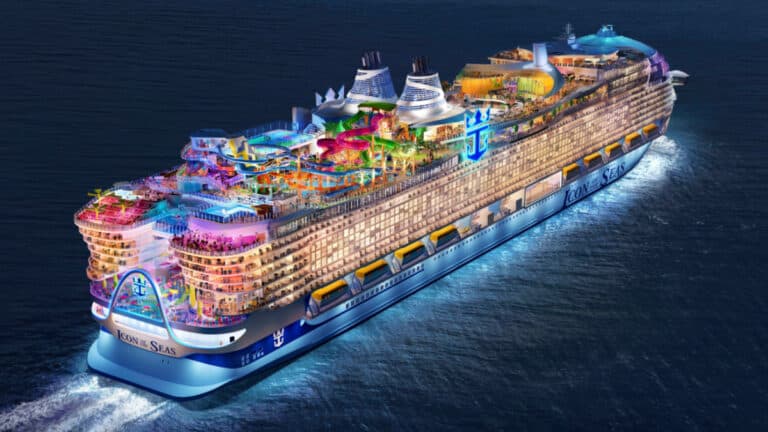
After months of buildup and anticipation, Royal Caribbean International has finally revealed more details about its upcoming new ship, the 250,800 gross ton Icon of the Seas.
Truly revolutionary and pushing the boundaries of what a cruise vacation can be, the ship offers outstanding thrills for every guest to enjoy, and will offer a variety of Caribbean sailings when it debuts in early 2024.
Icon of the Seas – Raising the Bar
For months, Royal Caribbean International has hinted that Icon of the Seas, the first in a new class of vessels, will be an even bigger, better, more thrilling adventure at sea than any cruise ship has offered before. Now, they’re revealing the details to back up that claim.
The mega-ship will feature eight neighborhoods, including five new adventures, not seen on any other ship in the fleet, such as the largest waterpark at sea, the AquaDome, the first free fall slide, the first suspended infinity pool and more! There will be some guest favorites making a return too.
“With each new ship, we raise the bar in the travel industry while enhancing what our guests know and love,”said Jason Liberty, president and CEO, Royal Caribbean Group.
“From the moment they step on board, every experience is specifically designed to give them the best vacation anywhere on land and at sea. With Icon of the Seas, we’ve taken this to a new level and made the ultimate family vacation.”
Render Courtesy: Royal Caribbean
The ship is ultimate indeed, with impressive new features and upgraded, elevated, reimagined favorites well known to Royal Caribbean cruise fans.
Icon of the Seas features the largest waterpark at sea named Category 6, with six waterslides and other aquatastic features, plus unrivaled ways to chill with more ocean views and pools – one for each day of the week – than ever before, including infinity designs to offer unparalleled views and the largest pool ever on a cruise ship, Royal Bay, diving in at more than 40,000 gallons on Deck 15.
Render Courtesy: Royal Caribbean
The ship also includes more than 40 new and returning dining, bar, and nightlife options, and cutting-edge entertainment. Among the favorites are the cruise line’s thrilling dive shows and ice skating shows, each enhanced with immersive features and stunning special effects.
There will be a new AquaDome space perched at the top of the vessel. This will be a transformational venue where guests can enjoy wraparound ocean views during the day, including an inspiring waterfall.
Icon of the Seas AquaDome
By night the space becomes a hive of activity, including the next-level AquaTheater, with a transformational pool, robotic arms, art projection and more.
Focus on Family
Royal Caribbean International’s Icon of the Seas is an amped up adventure on the water, but the cruise line is not forgetting the ultimate focus of the ship – family vacations and making memories with loved ones.
“Everything — every ship, every experience — starts with the guest,”says Tim Klauda, vice president of product development at Royal Caribbean International.
Whether “family vacation” means getting away as a family, couple, friends, or multiple generations, the company wants to bring people together in ways never done before.
“Now more than ever, families and friends are prioritizing experiences where they can bond and enjoy their own adventures,”said Michael Bayley, president and CEO of Royal Caribbean International.
“We set out to create a vacation that makes all that possible in one place for the thrill-seekers, the chill enthusiasts and everyone in between, without compromise. It’s this first-of-its-kind combination that makes Icon the future of family vacations, and that future is here.”
By the Numbers
Most impressive of all are the stats on Icon of the Seas, which has long been hinted as surpassing the popular Oasis-class vessels in terms of size.
Currently, the largest cruise ship in the world is Wonder of the Seas, weighing in at 236,857 gross tons and measuring 1,187 feet (362 meters) long.
Now, the cruise line has revealed that Icon of the Seas will indeed top those impressive numbers, with a gross tonnage estimate of 250,800 and measuring 1,198 feet (365 meters) long.
Icon of the Seas Facts
Where Icon of the Seas does NOT surpass Wonder of the Seas, however, is in basic guest occupancy. While the new ship will be able to welcome an impressive 5,610 guests at double occupancy, Wonder of the Seas can accommodate 5,734.
When fully booked, Icon of the Seas does have room for as many as 7,600 guests, however, which is far more than the maximum occupancy of Wonder of the Seas at 6,988.
This indicates that Icon of the Seas will have far more multiple-occupancy cabins and options for larger families, with third, fourth, and even fifth berths or more in different staterooms and suites, making the ship a top choice for families and groups.
Ultimate Family Townhouse
The ship will include the first-ever “Ultimate Family Townhouse” with three levels in a single stateroom, with fun features such as a slide connecting different levels, a karaoke station, a monster-themed daybed, three full bathrooms, and a private balcony whirlpool. The stateroom can sleep up to eight guests.
More to Come
There are still more details to be revealed about Icon of the Seas, and there is much we don’t know about the ship.
For example, the mysterious sphere is confirmed as being called “The Pearl” and spans four decks (Deck 5 to Deck 8), but there is still no hint at what it is or what it may do.
The cruise line has teased that Icon of the Seas will sail Eastern and Western Caribbean itineraries from Miami, but exact details and ports of call won’t be announced until booking opens up on October 25, 2022, though each voyage is likely to visit the cruise line’s private island in The Bahamas, Perfect Day at CocoCay.
Stay tuned to Cruise Hive for more updates, details, and insights into Icon of the Seas as more is revealed about the exciting ship in the weeks and months to come.
The end of a cruise ship’s serviceable lifespan is a significant milestone, and there are many reasons why a cruise line may decide the scrapyard is the best destination for one of its vessels.
It doesn’t always mean the ship is completely unusable, however, and simply getting older isn’t necessarily the end of a cruise ship’s life.
A new cruise ship can easily entertain passengers for many years, even decades. In general, a cruise ship’s initial lifespan is 25-30 years, so long as regular maintenance upgrades are made to the vessel. If more extensive renovations are done, a single ship could easily be sailing for 40 years or longer.
As maritime technological advances are made, however, the operational capabilities of an older ship will fall further and further behind newer, more modern vessels. That does not mean that an older ship must automatically be scrapped, but more extensive (and expensive) revitalization projects must be undertaken to keep the ship profitable.
Cruise lines will make the decision for when and how to update a ship based on their own operational needs, maritime regulations, available budgets, supply chain resources, and other factors. Most of today’s cruise ships are updated every 3-5 years.
At first, a cruise line will update and renovate a ship’s passenger areas. Upgrades to staterooms, bars, lounges, and restaurants can make a slightly dated vessel seem new again, and may attract more passengers. Relatively small updates such as changes to lighting, upgraded linens, new paint, or refinished decking can easily refresh a vessel.
Copyright: Tony Davis
More extensive renovations might include converting oceanview staterooms into balconies, adding completely new bars or dining venues, and renovating deck space to add adventuresome new attractions.
Ships will also need technical and mechanical updates periodically. This can improve engine efficiency and environmental performance, provide better computer and internet service, improve air filtration and circulation, and support new high-tech shows and performances.
Eventually, however, the cost to update a ship may no longer be as profitable as a cruise line would like. At that time, there are other steps that can be taken.
A ship might be moved to different homeports or itineraries in an effort to increase profitability and attract new travelers. The ship might also be sold to another operator in a different part of the world, one that may specialize in alternative itineraries or different markets that the original cruise line does not pursue.
In some cases, a cruise ship might be sold not to another cruise line, but to a different type of operator for more extensive refitting.
Some vessels have been refit to serve as floating hotels or other housing, for example, offering less expensive residential alternatives in different parts of the world. When this happens, a ship’s engines no longer need to propel the vessel and can be refit solely to power its onboard operational needs, which can extend the overall lifespan of the vessel.
If no sales or refit options are available, it may be time for the ship to set sail for the scrapyard.
Reasons to Scrap a Cruise Ship
For most cruise lines, an individual ship will reach several of the following obstacles before the final decision of scrapping is made. Ultimately, there will come a time when a cruise ship must be scrapped, simply because it can no longer be updated, upgraded, or renovated in a profitable or practical fashion.
Technological Updates
Scrapping might be the best solution because there have simply been too many technological innovations and even upgrading the ship cannot make it competitive with newer vessels.
If a ship’s computer systems, for example, are no longer able to communicate effectively with shoreside operations centers for the latest in navigational data, weather reports, or other critical information, the ship may no longer be able to operate.
Photo Credit: Ihor Koptilin /Shutterstock
Changes in engine design can also be insurmountable obstacles to a cruise ship’s upgrades. While some engine components can be updated over the years, full engine replacement is rarely feasible.
The same goes for updates to the ship’s electrical wiring or overall plumbing, both of which would require massive labor and time out of service to be updated properly.
Regulation Changes
Similarly, changes in environmental or safety regulations could lead to the need for extensive renovations for a vessel, which will decrease its overall profitability compared to a newer ship that either needs no refitting or else can be upgraded more easily.
Environmental regulations may be levied on the cruise industry as a whole with respect to ship emissions, wastewater treatment, or underwater noise or vibration levels that could be harmful to marine habitats.
Safety changes such as required upgrades for poor weather operations, lifeboat design, fire suppression, health protocols, and other factors can likewise put older cruise ships in the difficult position of unreasonable and impractical updates.
Expectation Changes
Over time, cruise travelers’ expectations change, and older ships may not be able to compete with the features and amenities offered aboard newer vessels. For example, today’s cruisers appreciate more spacious cabins and private balconies, as well as elite ship-in-ship exclusive spaces available for different stateroom categories.
Older ships may not be able to be refit successfully to meet that demand.
Another example is the expansion of deck features onboard today’s cruise ships. Thirty years ago, most ships only had basic deck activities – pools and whirlpools with just one or two waterslides, a miniature golf course, perhaps some game courts for shuffleboard, oversized chess, or ping pong, and a jogging track for the fitness-minded.
Photo Credit: Melissa Mayntz
Today, the most updated, innovative cruise ships have much more adventuresome options on the open decks, including multiple waterslides and splash pads, roller coasters, go-kart tracks, climbing walls, zip lines, multi-use sports courts, ropes courses, surf simulators, observation pods, and much more.
Smaller, older ships will not have either the deck space or the internal support structure to be upgraded with these modern attractions. The same goes for new spa facilities with extensive thermal suites, elaborate dine-in kitchen extensions, or multi-level lounges with integrated LED screens and convertible stages.
Damage
In rare cases, damage might lead to a vessel being scrapped. All ships suffer gradual decay due to saltwater corrosion, constant rocking motions, pier contact, rough water, and other natural forces. Cruise lines perform regular maintenance to mitigate and repair this damage, allowing the vessel to keep operating safely and efficiently.
Photo Credit: Steve Heap / Shutterstock
If damage is severe, however, it might be impossible to repair. This could happen with disastrous situation such as a hard grounding on a hidden reef or other obstacles that might tear into a ship’s hull. Similarly, a bad collision with a dock, another vessel, or in a narrow passageway could severely damage a ship to the point where it is best scrapped.
Fires can also cause irreparable damage to a cruise ship if they are not contained quickly, or if related smoke or water damage is too severe for standard renovations.
History
At times, a cruise ship’s unfortunate history might lead to the difficult decision to scrap the vessel rather than update it.
If an already older ship, for example, were to be the scene of a crime, an accidental death, a disease outbreak, or criminal investigation, it is possible the cruise line might choose to scrap the vessel rather than take additional steps to extend its lifespan. In these very rare cases, the bad publicity the ship has sustained is unlikely to be overcome by any upgrade.
Photo Credit: Prath / Shutterstock
Along the same lines, bad publicity from customer reviews of an older ship – when guests are dissatisfied with the outdated vessel – might factor in to a decision to scrap a ship rather than pursue further renovations.
Bankruptcy
There are times when a cruise ship will be scrapped even if the vessel could still have usable lifespan. If a cruise line is in desperate financial condition, the quick sale of a ship to a scrapyard might create enough capital to pay off debts or liquidate enough assets to continue company operations.
Along the same lines, if a cruise line is prepared to declare bankruptcy, scrapping a ship may be a court-ordered step toward repaying creditors, refunding booked guests, or otherwise settling debts.
Beginning to Scrap a Cruise Ship
When a cruise ship is determined to be at the end of its operational life, and no sales may be forthcoming, it is time for the ship to be scrapped. Even a small cruise ship is comprised of several hundred tons of metals and other materials that can be sold, bringing in some profit.
Materials are often recycled as well, and in some fashion, parts of older, beloved cruise ships may one day become part of a new, modern vessel.
The first step in scrapping begins even while a ship is still in service. Any usable or proprietary materials, such as extra dishes and linens, commemorative plaques, or replacement supplies, may be gradually removed from the vessel as it completes its final sailings.
Photo By: Selçuk Ateş
Practical items may be transferred to other ships for use, or may be put into storage for future use. Some cruise lines may auction off commemorative items for partnered charities, or items may be gifted to cruise line partners, executives, or other notable figures as thanks for their service related to the soon-to-be retired ship.
Once a ship completes its final sailing, more items will be quickly stripped from guest staterooms and public areas. Crew members will be transferred to other ships or assigned to other positions with the cruise line, or may have finished their contracts just as the ship finishes its passenger service.
A skeleton crew will remain onboard the ship as it begins its final journey toward the scrapyard.
Where Cruise Ships Are Scrapped
There are many different cruise ship scrapyards or ship breaking facilities around the world. The most prominent scrapyards that dismantle cruise ships include facilities in:
Alang, India
Aliaga, Turkey
Gadani, Pakistan
Chittagong, Bangladesh
Smaller ship breaking yards are also found in Belgium, China, the United Kingdom, and the United States. Many yards are equipped to handle different types of vessel dismantling, and have different capacities for how many ships they can handle based on vessel sizes and the complexity of different projects.
The work is dangerous and often highly regulated to ensure safety not only to the workers deconstructing the ship, but also to protect the local environment and habitats as ships are dismantled.
Still, ship breaking exposes workers to a wide range of potential toxins from the materials used in ships, including asbestos, lead, heavy metals, and other chemicals, as well as risks of explosion and other industrial accidents during a vessel’s disassembly.
The Scrapping Process
Once a ship reaches a ship breaking yard, the vessel is officially turned over to the scrapyard’s authorities and is no longer an asset of the cruise line. The ship’s marine transponder is typically deactivated at that time, as the ship is no longer an active vessel.
Any further removable items will be taken from the ship first, and any items that might still be able to be sold are removed, often by small retailers who make a modest living selling or recycling such material.
This can include light bulbs, fans, and any remaining dishes, linens, mattresses, or similar items that were considered too outdated to be removed earlier.
Photo Credit: Eren Topcu
At this time, parts of the ship’s superstructure begin to be broken down. Any materials above the waterline, such as antenna fixtures, waterslides, windows, and more will be removed as much as possible while the vessel is still floating, so long as it is safe to do so.
When space is available, the vessel will ultimately be beached at the ship breaking yard so the lower hull can be broken.
At this point, little remains of the ship’s internal structure, as much material has already been removed. The hull is then broken into recyclable blocks of metal, which will be sold or melted down for future uses. Eventually, all parts of the ship have been disassembled, and the cruise ship is no more.
Recycling for Future Ships
The vast majority of the material that makes up a cruise ship will eventually be recycled. From items the cruise line removes in the early days leading up to a ship’s retirement to the final hull plates at the ship breaking yard, materials can be reused.
Metals will be melted down and further refined to be remade into new hull plates or other items, and may eventually become part of newer, more modern ships.
Many other materials go on to other industrial uses as well, while nostalgic and commemorative items may live on in cruise line headquarters, be displayed on newer vessels, or showcased as memorabilia in museums or private collections.
The process of scrapping a cruise ship may take just a few weeks, depending on the ship’s size and the work schedule at the scrapyard, or could take several months or even years before the last vestiges of the hull finally vanish.
Many people are involved in the process along the way, and it can be an emotional journey for those with strong connections to a vessel.
Ultimately, however, the cruise ship will live on, not only in recycled or reused materials or memorabilia, but in the memories and hearts of the thousands or millions of passengers who sailed on her.
Jewelry is essential to pull together any outfit, even while traveling. Multiple methods to pack jewelry for travel allow you to keep your items tangle-free and protected. Some DIY options use everyday household items.
While traveling on a cruise, you shouldn’t have to compromise on what jewelry you bring. Many people leave their jewelry home out of fear of theft or damage. Aside from protecting your jewelry, the real challenges are keeping necklaces knot-free, not losing small items, and organization.
With some resourcefulness, guests can travel with their favorite pieces worry-free and store them in their safe when onboard. Each tip has its benefits, and we list things you can buy and make yourself.
As mentioned, there are several methods you can use when traveling with jewelry. The best strategies involve keeping necklaces free from becoming tangled (because who wants to spend hours teasing out knots) and keeping small items like studs together and easily visible.
Jewelry Roll Organizers
Advantages: Good organization, prevents necklaces from tangling, easily viewable
Disadvantages: No locking mechanism
These organizers make traveling with jewelry easier and more convenient. They are affordable and allow you to see all your jewelry at a glance. You can place items in separate compartments for easy access. Plus, your necklaces won’t get tangled together.
A jewelry roll is ideal for packing your jewelry in a carry-on. It is compact, takes up very little space, and allows you to keep your jewelry with you, so it is never out of your possession, which is useful when you pack expensive jewelry or things with great sentimental value.
You can unroll it and hang it in your cabin, allowing you to quickly display your jewelry when you want to accessorize for a day excursion or a night on the town.
Soft rolls are perfect for keeping delicate and small items neat. They also come with protective cloths, preventing jewelry from becoming scratched. They take up less space than jewelry boxes, making them more convenient.
Jewelry Box Organizers
Advantages: Good organization, clear, see-through window, prevents tangling, contains a lock to prevent theft
Disadvantages: Takes up more space
A tiny jewelry box organizer may be a smart travel idea since it protects and organizes smaller items. It has room to pack earrings and rings and larger items like watches.
It also easily closes tightly using a zipper seal, so everything is held in place. Jewelry boxes can be locked, providing added protection, and come in various sizes.
Pouch Jewelry Holder
Advantages: Lower cost, less abrasive on jewelry
Disadvantages: Small items may roll out, no theft protection
For low-maintenance jewelry, consider investing in a soft pouch. You can do this easy DIY idea by using fabric and tying it with a rope or shoelace. You can also buy them online.
While easy to make, the downside is that necklaces can become tangled, and the backs of earrings can poke through the material. However, the next suggestion may be a viable solution for this.
Sandwich Bags
Advantages: Necklaces won’t tangle, small items aren’t lost, reusable, can group things together
Disadvantages: No theft protection
Many companies make sandwich or storage bags in smaller sizes. Earrings can go in a portion pack, and you can pack necklaces and larger items in sandwich bags to prevent chains from twisting.
Sandwich Bag (Photo Credit: TylerMiska / Shutterstock)
Furthermore, if you are putting everything in a pouch, it keeps all the items separate, or you can organize them in groups. You don’t need to worry about a tiny ring or earring falling onto the floor and getting lost. Everything is kept neatly together and in one tiny bag. Plus, it is a very affordable solution.
Pill Cases
Advantages: Good organization and can coordinate with outfits
Disadvantages: No theft protection
Seven-day pill boxes work well for jewelry and can help you organize what you will wear each day of your trip. You can easily arrange accessories by day and plan according to your outfits.
Photo Credit: New Africa / Shutterstock
They are strong, small, and keep everything well-organized. Some come in a zippered case, while others just have a clear plastic covering.
Easy DIY Methods
These suggestions are cheap alternatives using common, readily available household items. They are easy to make, don’t cost anything extra, and when you return home, they have other uses.
Wrap in Bubble Wrap
Advantages: Allows for good organization and protection
Disadvantages: May require additional space, doesn’t deter theft, can get sticky
You can find bubble wrap in most homes, but even if you don’t have any on hand, you can purchase it online, and it’s a great way to store jewelry.
To pack it, lay your bracelet, watch, or necklace flat on a bubble wrap sheet. Gently fold the edges in, then tape the edges together. When secured, roll it into another layer of bubble wrap. It may take additional space in your luggage, but the peace of mind you get knowing the jewelry is secured and protected is worth it.
Disadvantages: May lose smaller items, necklaces can tangle easier
If you don’t want to invest in jewelry organizers, you can create a jewelry roll using small travel towels. Neatly arrange your jewelry, then roll your towel. You can use multiple towels and color code them to group accessories. Then, roll the towel and tie it on each end.
Photo Credit: Nastya Sokolova / Shutterstock
You can also use the sandwich bag method to keep things separate and combine items in a towel to keep them from falling out and getting lost.
Straws
Advantages: No knots, timesaving
Disadvantages: No theft protection
Reusable straws are the perfect way to pack necklaces. Necklaces are challenging since they tangle easily, but you can avoid this by inserting half of your necklace into a plastic straw, which holds it in place, helping you avoid having to detangle it.
Photo Credit: Daisy Daisy / Shutterstock
Vacuum Seal Jewelry
Advantages: Jewelry doesn’t tangle, customizable bags, allows you to pair items
Disadvantages: Requires taking a plastic seal with you, bags often aren’t resealable
Vacuum seals wrap your jewelry and allow you to secure smaller items. They also prevent necklaces from tangling in jewelry boxes since everything has a place.
Vacuum seals are a brilliant way to prevent necklaces from tangling since there is no wiggle room. The only downfall is that you may need to take your vacuum sealer with you on your journey to reseal the bags. Alternatively, you can use a press-and-seal plastic wrap.
Buttons
Advantages: Works great for studs
Disadvantages: Taking them out may cause you to lose an earring, posts can bend when traveling
Buttons are a quick way to keep earrings together. Inserting them into a button lets you keep them together, and you can combine them with other packing tips and use them with the pill case, jewelry roll, or jewelry box.
Buttons are also extremely helpful when you plan on wearing studs, and you can use them with dangling earrings if they’re not too big.
Toilet Paper Roll
Advantages: Easily organizes jewelry
Disadvantages: Messy if it gets wet
A paper roll makes the perfect jewelry organizer. You can put bracelets around the roll, pin earrings to each side, and insert necklaces through the top. It is an easy way to keep everything organized and together.
Photo Credit: M. Schuppich / Shutterstock
Only fill the roll half-full so that it doesn’t overflow. Consider putting it into a bag so that nothing accidentally falls off.
Paper Plate
Advantages: Jewelry can be grouped
Disadvantages: Some items either can’t be packed or packed separately, easier to lose smaller items
If you have disposable plates at home, you can easily use them to store jewelry when traveling. Simply take a plate, insert earrings in the middle, then make additional holes for necklaces.
Photo Credit: Nungning20 / Shutterstock
If they are small enough, you can store bracelets on the plate by placing and sealing another plate over it. You can also put the plate and additional accessories in a giant Ziplock plastic bag or plastic organizer. When figuring out how to pack jewelry, consider the things that are most important to you. Do you want an option that deters theft, one with good organization, or something with compartments? The answer to these questions will help you narrow your search for the perfect solution for you and your jewelry.
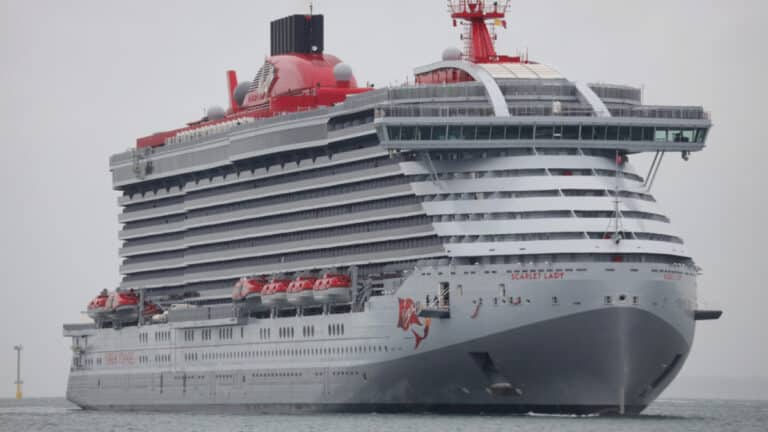
Virgin Voyages’ Scarlet Lady has rescued 17 refugees from a small, overcrowded boat near Cuba. The individuals were taken aboard the luxury cruise ship and transferred to the appropriate authorities as soon as possible.
Rescue at Sea
At approximately 6 p.m. on Wednesday, October 12, 2022, crew members aboard Scarlet Lady spotted the small vessel in apparent distress in rough waters. The cruise ship, which was en route between Cozumel, Mexico and Bimini, The Bahamas, turned to offer aid.
While guests onboard who speak Spanish have reported that the refugees were insisting they did not want to be rescued, the small craft was overcrowded and not considered seaworthy. Maritime law, therefore, required the cruise ship to render appropriate aid.
Well this is quite the event…our cruise ship just picked up 17 refugees and now waiting for the coast guard to transfer them…here’s their boat drifting away pic.twitter.com/A8ZcA2MVeC
Eventually, the 17 refugees were brought onboard the cruise ship, where they were provided with food, water, and any immediate medical care necessary. Photos and video footage from guests onboard show the small craft abandoned after the rescue, with some meager bundles and containers left behind.
The United States Coast Guard (USCG) was contacted and dispatched a vessel to meet up with the cruise ship, at which time the refugees were transferred to the authorities, and Scarlet Lady was released to continue on her way.
The Virgin Voyages’ ship is currently on a 5-night roundtrip Riviera Maya sailing from Miami, which departed on Sunday, October 9. The ship called on Cozumel, Mexico on Tuesday, October 11, and intercepted the refugee vessel at the end of a day at sea on Wednesday.
Photo Credit: Peter Titmuss / Shutterstock.com
On Thursday, the ship is visiting Bimini in The Bahamas, a resort destination 53 miles east of Miami, from 8 a.m. to 7 p.m. The ship will return to Miami on Friday, October 14.
There have been no changes reported to Scarlet Lady‘s current itinerary, as the rescue was a relatively quick event and did not delay the ship.
Scarlet Lady is the first ship in the new adults-only Virgin Voyages line, having only set sail just one year ago, in October 2021. The ship can welcome can as many as 2,770 guests onboard, and offers the ultimate in luxury service for memorable vacations.
Previous Refugee Rescues
This week’s rescue is not Scarlet Lady‘s first encounter with a refugee craft. In mid-September, the ship rescued 15 refugees from a makeshift raft. That incident was in the same general area as this week’s rescue, at the same time of evening, and on an identical sailing itinerary.
Photo Credit: Alex Kalogeropoulos
In October 2021, Scarlet Lady rescued eight migrants southwest of Key West, again in the same general area. Those refugees claimed to have been adrift for six days before coming aboard the cruise ship.
Refugee rescues have been on the rise in recent months, with different ships from various cruise lines rendering aid whenever necessary.
What Happens to Refugees?
Any ship, including pleasure craft, cargo vessels, and cruise ships, is required to assist a vessel in distress. While the occupants of ramshackle craft may have strong intentions to continue with their original plans, if the craft is not seaworthy or current water conditions pose an imminent danger to the occupants, the better-equipped vessel must take the refugees aboard.
At that point, the proper authorities are notified based on the location of the incident, the nationalities of those involved, the intent of the refugees, and other factors.
In most cases, refugees must legally be returned to their point of origin.
This can be heartbreaking when it is well known that many refugees are attempting to seek out a better life, but there are legal channels by which to do so.
Cruise ships, in the meantime, will continue to offer necessary aid to safeguard all lives at sea.
Most people don’t consider what is beneath the waterline of a cruise ship. However, for some, it may be a curiosity. The lower two decks are usually reserved for crew members only and areas off-limits to guests. So, what exactly are these underwater cruise ship rooms for?
While cruise ship bottoms may appear wide, they are fairly narrow compared to the rest of the ship. They are generally no more than 30 feet or 9.1 meters below sea level, which is only 10% of the ship’s overall height.
Cruise ships are massive structures and are extremely heavy. Yet, the ship’s buoyancy and design cause it to rest primarily above water.
Underwater Cruise Ship Rooms
Underwater Cruise Lounge
In 2019, Ponant, a French expedition company, launched the first underwater lounge.Blue Eye, designed by architect Jacques Rougerie, is a multi-sensory, sleek space on four vessels in their fleet: Le Dumont-d’Urville, Le Bougainville, Le Champlain, and Le Lapérouse.
While on board, guests can go underneath the water line to the lounge, where two oversized glass portholes appear like whales’ eyes, allowing passengers to get a unique ocean view, spotting exotic fish and other marine life.
These lounges also have digital screens projecting live images filmed by three underwater cameras and accompanied by marine surround sound.
The sound is based on noises within a three-mile radius of the cruise ship. In addition, the couches in the lounge vibrate in unison with the sea, making you feel like a real part of the underwater world.
Crew Cabins
You’ll find accommodation for the crew on one of the crew decks. On some ships, they are under the water or below the water line.
Depending on the department, crew members share dorm-style rooms with access to common eating areas, bars, and gyms.
Orlop Deck
The orlop is on thelowest four decks under sea level. It is the lowest deck of a cruise ship and is the farthest toward the rear of a ship. This area usually stores cables and ropes and may have received its name from overlapping cables that generally fill the space.
The Brig or Jail
No cruise line likes to use the brig to contain guests, but there are situations when they find this necessary, specifically when someone has committed a serious offense or is in danger of harming themselves or others. Most of the time, passengers receive a reprimand or, in severe instances, may be forced to sign a contract to modify their behavior.
Photo Copyright: Cruise Hive
If the offense is more serious, they are placed under cabin arrest and have two guards posted outside the door to prevent them from leaving.
Brigs are steel rooms found at the bottom decks of a ship, typically by the security office. People don’t spend long in this area, as they are often turned over to authorities once the ship reaches port.
Cruise Ship Morgue
People often describe cruise ships as small, floating cities, so it makes sense that there are deaths aboard them. While it seems morbid and perhaps alarming, guests don’t need to be concerned. Most deaths occur from natural causes like strokes or heart attacks. While a rare occurrence, there must be onboard accommodations to handle this situation.
Cruise Ship Morgue (Photo Credit: Fer Gregory / Shutterstock)
The morgue only contains a few refrigerated compartments. The number of these compartments varies depending on the ship’s passenger capacity. Guests will never encounter it as the morgue is on crew-only lower decks.
Additionally, if the area is not in use, it can double as cold storage for flowers and other things. They do not use the morgue to store food.
Woodshop
When chairs become damaged, varnishes wear off a table, or there are repairs to be made, cruise lines don’t replace the damaged item. Cruise ships often have a woodshop, with carpenters who spend the day replacing, fixing, and updating items found on the ship.
However, they don’t just fix furniture or wood items. They replace worn carpeting and broken tiles and refurbish areas of worn railings that harsh ocean elements have damaged. They also handle delicate items, like replacing chair fabrics and drapes.
Crew Bar and OB
Cruise ships have areas where guests can sit back and relax. The crew has the same luxury. The OB or officer’s bar provides private space for officers, spa, cruise, and entertainment staff, while the crew bar is for anyone working on the vessel.
Photo Copyright: Cruise Hive
Drinks are cheaper in crew bars, and there are activities and music for staff to unwind during their time off. It’s often a place to stock up on cabin supplies.
Print Shop
Where does the newsletter that arrives at your cabin in the evening come from? While you may think they are created in advance, this is not the case.
If it were, ports missed due to turbulent weather or other situations which alter the itinerary wouldn’t make the newsletter possible. It would provide inaccurate and confusing information.
Each ship contains an underwater room with a print shop where news updates, daily planners, notes, and flyers are made.
The I-95
While it sounds like a fast-paced highway, the I-95 resides below public decks. It is the main artery running forward to the aft. It gives crew members access to various areas of the ship.
Photo Copyright: Cruise Hive
Over time, this busy area was dubbed the I-95 after the famous interstate running from the east coast of the U.S. and ending in Miami (which is, interestingly, the cruise ship capital).
Its appearance is what you might expect. It looks like an extended hallway containing various storage spaces and doors leading to multiple areas. It’s an efficient design continually bustling with fast-paced action from moving staff and crew members.
Conclusion
If you ever wondered what the underwater cruise ship rooms are for, now you know. Although things may differ from one cruise line to another, these decks are generally for maintenance purposes, areasdesignated for crew members, and spaces that need to be kept out of the way of guests, like the brig or morgue.
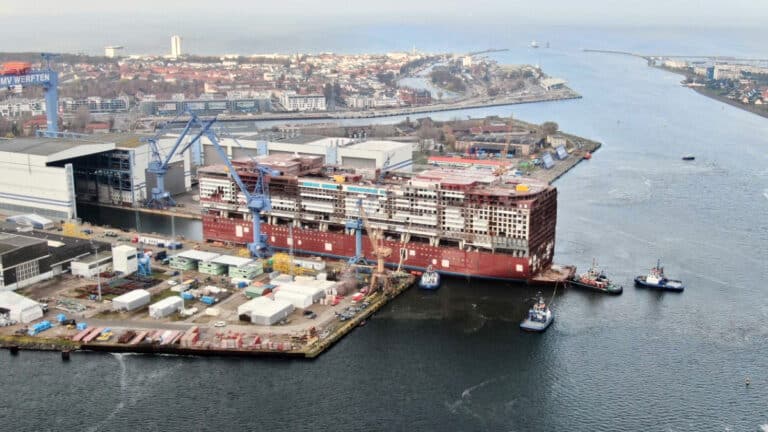
After much uncertainty over the last months about what would happen with the largest cruise ship by passenger volume in history, there seems to be a buyer for Global Dream after all.
The ship, which the now-bankrupt Genting Hong Kong built for Dream Cruises, could be sailing for Disney Cruise Line in the future, according to a German news outlet.
The news was announced by the insolvency administrator for the shipyard where the vessel is under construction, Christoph Morgen. Global Dream would be completed at the MV Werften, where the ship could be under the direction of Meyer Werft in Papenburg, where Disney Cruise Line already has another ship on order.
Disney Cruise Line Takes a Huge Step
That someone would be stepping up and buying the 208,000 gross ton Global Dream seemed to be an unlikely affair as time passed since Genting Hong Kong went bankrupt earlier this year.
The 9,000- passenger cruise ship, by far the largest cruise ship to ever be constructed by passenger volume, has sat untouched in the shipyard in Germany since January of this year.
As the vessel was intended for the Asian market and specifically built to sail in Asia, the likelihood of an American or European cruise company coming forward and purchasing the ship seemed slim at best.
Rendering Via: Dream Cruises
However, in an astonishing move, it seems that Disney Cruise Line could be willing to put up the money for the vessel and complete the construction. German news outlet NDR, a respected and well-known broadcaster in Germany, broke the news yesterday.
According to a statement by the insolvency administrator Christoph Morgen, Global Dream will be completed under the direction of the world-famous Meyer Werft from Papenburg, Germany.
Workers will complete the vessel at the Wismar-based MV Werften, where construction has been ongoing for several years now. Meyer Werft has already built ships for the Walt Disney Group’s Disney Cruise Line.
Purchase Price Not Known
Global Dream had an initial construction price tag of 1.6 billion euros. However, it is unlikely that Disney Cruise Line would be paying that amount for the vessel. The amount is expected to be just a fraction of the initial cost.
While Christoph Morgen has confirmed the purchase by Disney Cruise Line, neither the cruise line nor local Economic Minster Reinhard Meyer have made concrete comments on the news. When asked, the Minister spoke merely of confidential discussions with Disney Cruise Line.
Disney Wish Cruise Ship at Meyer Werft
The news is positive for the 950 employees of the former Genting shipyard where the vessel was being constructed, and who now would be able to go back to work in the construction yard. It also means that rumors the ship would be sold as scrap metal can possibly be put to rest.
A Meyer Werft employee was quoted by NDR, saying:“It is a very different picture psychologically if this large ship is finished in Wismar than if it were towed out there and scrapped somewhere in the world.”
Global Dream, which was scheduled to commence sailing this year, is only 75% completed. Cooperation between Disney and Meyer Werft to complete the vessel is more than likely. The shipyard already built three cruise ships for the company in 2010, 2012, and in 2022, Disney Wish. Three more LNG-powered cruise ships are on order.
The former owner of Global Dream, Genting Hong Kong, went bankrupt in January of this year. The direct result of the global pandemic. The demise of the largest Asian cruise operator meant the end of operations for Dream Cruises, Star Cruises, and Crystal Cruises.
Since that time, Crystal Cruises has restarted under Abercrombie & Kent, and Dream Cruises made a restart under resorts World Cruises, a subsidiary of Genting in Singapore & Malaysia.
When going on a cruise, it is essential to pack the proper footwear and not to overpack. Shoes take up a lot of room in a suitcase. And you may not even wear half of them! When selecting shoes, be practical since you’re going to spend time on your feet, but you can also pack a few fashionable items. We outline the best shoes for cruises.
The best tip regarding footwear is to pack shoes that are, above all, comfortable, but they can be stylish and versatile, too. Choosing the right shoes prevents you from overpacking and allows you to pair what you have with other outfits.
The shoes we recommend are perfect for evening and daytime and take you from casual days to formal nights.
Determining how many shoes to bring depends on your stay and the shore excursions. Most people scale things back to four to six pairs of footwear for seven to 14-night cruises. Some can get away with only three pairs if packing light. However, more options will give you flexibility and allow you to pair different styles with your outfits.
If you are prone to having your feet or ankles swell, you can change shoes between day and nighttime. Many guests pack open-back shoes to accommodate swelling as they are more generous and easier to get into.
For Warm Climates
Warm weather cruises require different types of footwear, including:
Flip flops
Wedges or casual sandals
Walking shoes or sneakers
Water shoes
Dress shoes
Don’t bring brand new shoes on a cruise. A cruise is not a good time to break them in, as you want to avoid blisters and calluses. Choose proper fitting shoes, especially if you plan to do a lot of walking or hiking on your shore excursions.
Photo Credit: nistordrag83 / Shutterstock
For Cold Climates
For an Alaskan cruise, it is advisable to bring:
Warm shoes
Hiking boots
Insulated boots
Ankle boots
Waterproof shoes
Water-resistant shoes can let water in, so go with waterproof ones instead. The difference between waterproof and water-resistant is that the seams are sealed and treated in a waterproof shoe. Also, the tongues go higher on the foot, keeping water from seeping in.
What Is the Best Type of Shoes for Cruises and Why?
While you can bring many shoes, only a handful are truly advisable. Here is our packing list and why each is important for your trip.
Flip Flops
Great for warm weather, flip-flops are comfortable and convenient. They are great when walking around the cruise ship deck or going to the pool. They take up little room, and you can carry them in a tote when going out on excursions.
Flip Flops (Photo Credit: New Africa / Shutterstock)
Note that you should not wear flip-flops in all circumstances just because you can easily pack them. This type of footwear is not advisable if you are going for a hike or walking for extended periods.
These shoes will not protect your foot against sprains and strains as there is no ankle protection. If you are hiking, you can easily get scraped and cut, and you may quickly discover the ball of your foot and calves become tired or sore.
Sandals
Sandals are more comfortable because you can choose wisely and according to the occasion. Sandals are a versatile choice as you can dress them up or down. They also pair easily with various outfits and can keep you cool on humid days.
You can wear them for cruise excursions or short walking trips. The best sandals have a cork base and arch support to avoid foot fatigue. The cork warms up as you wear the sandals and conforms to your foot, making them more comfortable.
Choose sandals with a backstrap or enclosed back to prevent the same issue you would have with flip-flops. Espadrilles are suitable for serving a dual function. They are versatile in terms of what you can pair them with; they look classy and offer proper ankle support.
It is also good to wear sandals with a heel lower than two inches. Any more than that will harm your posture since it throws the stomach forward and arches the back.
Lightweight Sneakers
Walking shoes with mesh are perfect for warm climates as they are more breathable. In addition, consider moisture-wicking socks when necessary. Not only do they keep your feet dry, but they also eliminate foot odor.
These shoes are not great for formal events but are wonderful for cruise excursions and activities. Always ensure they have adequate arch support, and wear the best shoe for whatever activity you’re doing.
Walking shoes are great for walking or milling around. They offer no midsole support, so you shouldn’t wear them for side-to-side movements or if you require ankle support.
You can wear running shoes while running or walking. They are great for people who have difficulty walking as they have rocker soles, making forward movement more manageable and fluid. It works well for those with knee and ankle injuries, too.
Cross trainers or hiking shoes are ideal for hiking or side-to-side motion because they are stable through the midsole. They may not have as much arch support but will prevent you from rolling your ankle.
Wedges
These are versatile shoes you can dress up or down and take up little space. They offer more of a heel than a flat sandal and more stability than a traditional high heel.
Wedges (Photo Credit: Stock Holm / Shutterstock)
The same rules for flip-flops and sandals apply to wedges. While they may provide better stability, there is a chance of hurting your ankle if they are too high, having calluses or blisters from friction, and a sore back from the height.
Dress shoes are great for formal occasions. You can combine some with other outfits, and they are a must for any cruise vacation.
Again, watch the heels. They are not great for your posture, feet, or back. You are fine if you wear them for short durations or while sitting. However, if you are going dancing, you may quickly regret this fashion statement.
Conclusion
Regarding the best shoes for cruises, you need to be versatile and practical in your selection. Choose comfortable shoes that won’t cause you physical pain. Also, wear the correct shoe for the right occasion.
Welcome to Amber Cove, Dominican Republic, in the eastern Caribbean. Carnival’s private resort destination is located on the bay of Maimón, 7 miles northwest of Puerto Plata, on the eastern half of the island of Hispaniola.
This private 30-acre retreat is exclusively offered as a port of call to cruisers with Carnival and its sister companies. Opened in 2015, the port at Amber Cove has two berths to hold two large cruise ships simultaneously and is designed to handle up to 8,000 passengers. The zone is crammed with watersports activities, dining opportunities, shopping, shore excursions, and fun attractions.
Amber Cove is a private 30-acre port destination located at Maimón in the province of Puerto Plata. The resort is owned and managed by Carnival and is used as a popular port of call for its brands. Packed with watersports activities, shopping, food and fun, it was created to keep visiting cruisers entertained as part of their Caribbean cruise itinerary.
Amber Cove is named after the rare and beautiful semi-precious stone that is found on the island. The amber gemstone is actually fossilized tree resin and is used in local jewelry and souvenir items.
Puerto Plata dates back to the 16th century, and the port serves as a gateway to the area. In keeping with the history and architecture of the area, Amber Cove features architecture reflecting Victorian, Colonial and Spanish styles.
A long pier leads from the cruise ship to the huge shopping area with cobblestone plazas. Further away, there’s a giant Aqua Zone with pool, swim-up bar, cabanas and exciting watersports activities.
The resort boasts a selection of restaurants and bars serving a wide choice of local and international cuisine. Further inland, the hilly tree-covered backdrop overlooks the swimming pool and provides panoramic views of Amber Cove and the surrounding turquoise sea.
How to Get to Amber Cove, Dominican Republic
Amber Cove is the newest cruise port in the Caribbean. It brought cruise ships back to the Dominican Republic after almost 30 years of absence.
Carnival Corporation spent $85 million creating Amber Cove on the north coast of the Dominican Republic and it has since welcomed over a million cruisers. The first 3,000 guests arrived aboard the Carnival Victory in October 2015. It has since become a popular port of call on many Eastern Caribbean cruise itineraries.
Photo Credit: Melissa Mayntz
The only way you can visit Amber Cove is by booking a cruise that includes Amber Cove, Dominican Republic, as a port of call on the itinerary. It is exclusively used by Carnival Cruise Line and its sister cruise companies, including Princess Cruises, Holland America Line, Seabourn and Costa Cruises.
Amber Cove is reached along a private pier so cruisers do not have to queue up or use tenders to get ashore. Visitors are greeted by Caribbean music and local dancers to make you feel welcome the moment you step ashore. For cruisers with mobility issues, there are golf carts with local drivers to transport you around.
Things to Do at Amber Cove
There’s no admission fee for cruisers to visit Amber Cove. Guests get complimentary lounge chairs, hammocks, pool access and many free fun activities. There’s also a Photo Op point for getting a selfie with the cruise ship in the background.
Amber Cove is divided into two distinct areas: the waterfront Welcome Center Marketplace and the Aqua Zone. The duty-free shopping area has a range of shops, craft stalls, restaurants and bars. The water zone has three pools connected by a flowing river with pedestrian bridges over it.
Pool activities
The largest pool at Amber Cove includes a swim-up bar for enjoying icy drinks and refreshments. This 300,000-gallon pool also has waterslides, a Lazy River, and plenty of lounge chairs.
Photo By: Russell Otway
Children’s Splash Area
Right next to the pools, there’s a Wet Zone and Splash Pad for youngsters. They can have hours of fun playing with the splash bucket and mini slide. It’s a great way to cool off in the tropical heat. The area has plenty of lounge chairs for adults to keep an eye on youngsters while enjoying the relaxed atmosphere.
Sports Amenities
Next to the Splash Pad is a half-size basketball court, a volleyball court and a giant chess set.
Rent a Private Cabana
If you like your own quiet space, renting a cabana is a great option for you. Choose your preferred type and location from Ocean, Poolside, Hillside or Grand Cabanas. These shady hideaways come with a refrigerator stocked with snacks, water and soda. They also include lounge chairs, waiter service, showers and Wi-Fi.
The upgraded Ocean Cabanas are on stilts over the calm blue lagoon waters. They boast cable TV, showers, tables and chairs, while Poolside Cabanas have air-conditioning, TV with Smart cable, a fan and misting system as well as a fully furnished living room for relaxing. Grand cabanas have all the above plus a private hot tub, dining set and furnished living room.
Cabana rates start from around $310 per day for a Hillside Cabana (max. 8 guests) rising to $1170 for a Grand Cabana on the water suitable for up to 20 people to share.
Visit Sky Bar
Perched on the hillside overlooking the whole of Amber cove, the Sky Bar offers a full range of refreshing drinks and snacks with panoramic views.
Windsurfing and Kite-Boarding
Puerto Plata is the windsurfing and kite-boarding capital of the Caribbean, so Amber Cove is a great place to try these exhilarating watersports. There’s a booth offering watersports rentals right on the waterside near the Cabana Bar.
Zip Lines
If you’re an adventurous type of cruiser, the 650-foot twin zip lines at Amber Cove are the place to head for. They start from the hillside overlooking the Aqua Zone and carry riders right over the pool.
Amber Cove Zip Line (Photo Credit: Polina LVT / Shutterstock)
You can ride unlimited times with a day pass which is reasonably priced at around US$ 20 for adults and $10 for children.
Watersports
Get ready for some wet and wild watersports at Amber Cove. You can rent many different types of watersports equipment such as stand-up paddleboards, kayaks, hydro-bikes, pedal boats, and solar catamarans for either 30 minutes or an hour. Prices start from around $20.
The main pool has several water slides for exciting rides ending with a big splash!
Shopping
The Marketplace has excellent retail outlets, including arts and crafts by local artisans. Shops and stalls are plentiful and are a great place to source local souvenirs of your visit to Amber Cove, Dominican Republic. Specialties to hunt for are the local rum, coffee beans, chocolate and cigars.
Photo Credit: Arturo Verea / Shutterstock
There are plenty of wood carvings and “faceless dolls,” which are signature souvenirs in the Dominican Republic. Beautiful jewelry is made from local amber and rare blue larimar gemstone, which is only found on this island.
Amber Cove Shops
The first area you will hit after disembarking at Amber Cove is the shopping village. Near the Cruise Center, there’s a colonial-style plaza with many stalls selling souvenirs, arts and crafts, including jewelry and trinkets made from local gemstones.
Diamonds International
This dazzling jewelry store is owned by the cruise company and offers a stunning array of jewelry at duty-free prices.
The Aurora Cigar Shop
This is the place to see how authentic Dominican cigars are hand-made. They are among the best in the Caribbean and make a great souvenir of your visit to Amber Cove.
Get your passport Stamped
If you visit the Information Center at Amber Cove, you can get your passport stamped with an unofficial stamp showing that you visited Puerto Plata, Dominican Republic.
Food and Beverages
Food and drinks are not included free at Amber Cove, and even those with an unlimited drinks package will have to pay for drinks at all the bars and restaurants while ashore.
Amber Cove has a choice of places to enjoy an exceptional dining experience or sit at the bar and enjoy long fruity drinks, beer, wine and cocktails.
Venues at Amber Cove (Photo Copyright: Cruise Hive)
In the Marketplace, there’s Coco Cana Bar and Restaurant, or head to the Aqua Zone and take your pick from the Coco Cana Poolside Lounge, Cabana Bar, or the Sky Bar.
Local Delicacies at Amber Cove
You might want to try some of the local foods from the Dominican Republic to get a taste of the Caribbean cuisine as part of your cruise experience.
La Bandera is the national dish of the Dominican Republic and the name means “flag”. It contains with white beans, stewed beans and tasty roast meat usually served on a bed of rice.
Asopao is a Creole-style Caribbean dish that contains shrimp or chicken along with pumpkin, chili peppers, cilantro and orange
Mangu is made from boiled, mashed plantains topped with fried red onion. It may be served with eggs, salami or fried cheese and is then known as “Los Tres Golpes”.
Quipe is a Lebanese-style dish similar to “kibbeh”. It consists of deep-fried balls of bulgur wheat, often filled with seasoned meat and onions.
Sanocho is a popular Latino American dish that has the consistency of a thick soup made from stewed meats and local vegetables such as yucca and plantain.
Amber Cove Shore Excursions
From the Transportation hub at Amber Cove, Dominican Republic you can depart on pre-booked shore excursions, pick up a rental car or hop in a taxi and explore the local area independently. The town of Puerto Plata has many interesting sights just 7 miles away.
Local Attractions Near Amber Cove
Visit the Amber Museum in Puerto Plata or take a tour of the Brugal Rum Factory. You can enjoy a stroll along the waterfront on the three-mile-long Malecon promenade or explore the historic downtown and main plaza.
Amber Cove Cruise Port (Photo Credit: Marmaras Stavros / Shutterstock)
Other local highlights to see include Fort San Felipe and the gushing Damajagua Falls. The beach towns of Sousa and Cabarete are the place to watch daring kite-boarders and windsurfers from a beachfront cafe.
Organized excursions and Tours
The Shore Excursions Desk aboard your cruise ship offers a host of activities and tours that can be pre-booked before reaching Amber Cove. Here’s a run-down of the main tours and excursions offered by the cruise line…
Dolphin Swim and Ocean World Day Pass
If you dream of swimming with dolphins, Amber Cove is the place that can make it happen. This is one of the most popular cruise activities, and this excursion includes a Day Pass to Ocean World Adventure Park. Guests can get up-close to these playful marine creatures in waist-deep water. Younger children must be accompanied by an adult.
This exciting experience includes feeding and playing with the dolphins and enjoying a boogie-board ride through one of the largest man-made dolphin lagoons in the world.
Dolphins in the Dominican Republic (Photo Credit: vicmestevez / Shutterstock)
Once your small group dolphin encounter is over, you can spend the rest of the day at Ocean World Adventure Park. Watch dolphins, sea lions and tropical birds in various shows, stroll through the aviary of exotic birds or go snorkeling in the Tropical Reef Aquarium.
Bring a towel and visit Pirate’s Pool and enjoy a swim in the calm Dolphin Beach Lagoon.
Waterfalls of Damajagua and Off-Road Buggy Trip
Start your exciting adventure with an exciting 2-hour Polaris buggy ride through the countryside and local villages. You’ll cross the river to reach the famous waterfalls of Damajagua, where you can enjoy sliding into the pool beneath one of several beautiful mountain waterfalls. The trip includes a short hike.
Waterfalls of Damajagua, Puerto Plata (Photo Credit: Yavimr / Shutterstock)
Visitors must wear the helmet and life vest provided. The tour price is per vehicle, which can carry up to two riders. The trip includes complimentary bottled water.
Waterfalls Adrenaline Adventure
Similar to the Waterfalls Adventure but without the Buggy Tour, this more strenuous 4-hour trip includes a 40-minute hike and swim in the waterfalls of Damajagua.
Your guide will lead you on a canyoning experience through narrow passages, flooded caverns and natural waterslides. Wearing a helmet and life vest is mandatory and they are provided. Water shoes and lockers can be rented.
Coconut Beach Break
For a day on a beautiful Caribbean beach, this all-inclusive 4.5-hour Coconut Beach Tour includes a bus ride through the countryside, beach chairs and umbrella, kayaks, snorkeling and paddleboards. There’s an open bar for drinks and a delicious buffet lunch.
Deluxe Catamaran Sail and Snorkel
This 5-hour excursion includes a 45-minute bus ride to the catamaran and a relaxing cruise on the beautiful Caribbean Sea. Lunch and drinks are provided as you enjoy a leisurely sail along the coastline of the Dominican Republic.
Catamaran Tour in the Dominican Republic (Photo Credit: FOTOADICTA / Shutterstock)
Snorkel gear is provided for you to jump in and see the myriad of colorful fish and corals found just offshore near Sosua.
Mega Truck Country Ride and Culture Trip
Enjoy a great view of the countryside as you ride aboard this big-wheel open-sided truck. You’ll pass sugarcane fields, rivers and plantations of cacao, bananas, pineapple and papaya along the way.
The trip gives insight into the history, culture, and folklore of the Dominican Republic as you tour around Puerto Plata. Drive along the scenic Malecon (waterfront), pass San Felipe Cathedral and Independence Square. This 4.5-hour trip from Amber Cove is great value for money and includes a traditional lunch.
Deep Sea Fishing
Head out on a Deep Sea Fishing Excursion from Amber Cove. The 34-foot Trojan boats carry 10 passengers each, and the 4-hour fishing trip includes bait and lines. The experienced crew know the best places to troll for Mahi, wahoo, sailfish and blue marlin, and they sail up to 6 miles offshore.
Top 10 Best of Puerto Plata
This well-priced tour lasts 4.5 hours and takes cruisers on a scenic trip calling in at the Rum Factory, where you can learn about the rum-making experience for yourself. You’ll then enjoy a short visit to the Jose Briseno Baseball Stadium, followed by Independence Square, Victorian houses and the San Felipe Cathedral.
View of Puerto Plata
There’s more sightseeing as you drive along the waterfront Malecon and explore the grounds around San Felipe Fortress. Finish with some shopping at the pier before returning to Amber Cove. This trip involves quite a lot of walking and the chance to see the local way of life.
Eco Adrenaline Zipline Adventure
If you fancy more aerial fun than the ziplines at Amber Cove, this 4-hour tour takes you on a fantastic drive. You’ll travel aboard a comfortable coach through the Dominican countryside to Mega Park.
Full training is given before you launch yourself from the platforms in the treetops at heights of up to 90 feet above the ground. The longest zipline runs for 850 meters and is one of the longest in the country. End your adrenaline-packed visit beneath a thatched roof, snacking on local fruits from an organic fruit platter.
Zipline and 27 Waterfalls Combo
For the ultimate adventure, this trip lasts 6.5 hours and includes riding aboard a giant 6×6 Mega Tiger Truck to the waterfalls of Damajagua. See carvings etched by Mother Nature and slide into 7 of the clear waterfall lagoons.
Then clip on your harness and ride the zipline above mahogany trees with farmland and mountain views. The tour includes a 40-minute hike and is not suitable for those who have any type of disability. Maximum age 65 years.
Puerto Plata Walking Tour and Lunch
This 5-hour tour includes transport aboard an air-conditioned bus with a local guide who will introduce you to the history and highlights of Puerto Plata. After seeing the Cathedral and Renovation Library, lunch and snacks are offered at Casa 40, an artists’ haven.
Take a short walk to watch a hand-crafted cigar demonstration before heading to Skina Restaurant for more delicious tastings of Caribbean food and drinks. Admire local murals before enjoying a fresh coconut drink. Finish the tour with an optional stop at La Mariposa Ice Cream Shop and shopping at the pier.
Beach Getaway
Another day at the beach can be enjoyed with this 4-hour trip to a private beach club. Once there you can spend the time relaxing as you please. Lounge on a sun bed, enjoy your own choice of drinks and meals from the beach bar/restaurant, do some local shopping and join in organized activities if you choose.
Cruises to Amber Cove, Dominican Republic, offer many more tours, combos and experiences, so decide what you want to do as part of your cruise and make the most of your visit to this fabulous private cruise retreat.
When is the Best Time to Visit?
Amber Cove, Dominican Republic, is in the Caribbean, so the climate is typically hot and sunny all year round. Average temperatures range from 77°F to the low 90sF (25-33°C).
Photo By: PresidenciaRD (Creative Commons)
What’s more important is the wet season, which runs from June to November. Even in these wetter months, there is less than a 20% chance of rain on any given day, and afternoon showers tend to be short and quickly pass.
In the winter months, from December to May, Caribbean cruises are particularly popular and are the best months weather-wise to visit Amber Cove. Daytime highs are in the 80s. Sea temperatures are warmest in August.
FAQs
Does Amber Cove have a beach?
There is no beach at Amber Cove as it is a port and pier. However, there is a large resort-style pool, Splash Zone, watersports, shopping and fun activities. You can take an excursion to Coconut Cove, which has a beautiful white sandy beach about 45 minutes drive away. Other local sandy beaches can be found at Riu, Sosua and Cabarete.
Is Amber Cove Carnival’s private island?
Amber Cove is a private port destination created by Carnival and is similar to a private island. It is used exclusively by their cruise ship passengers and those of their sister companies, including Holland America and Princess Cruises.