Key Aspects:
- “Code Oscar” (or Oscar Oscar Oscar) is the crew alarm used when someone goes overboard.
- A full search and rescue operation can last several hours and may involve the Coast Guard and nearby ships.
- Accidental falls are extremely rare; most incidents involve reckless behaviour or are intentional.
A cruise ship man overboard alarm can be a scary situation on what should be a relaxing, enjoyable getaway. A strange code is announced over the intercom, and immediately, emergency procedures are initiated as crew members rush to react and the ship slows, reverses course, or even stops.
This can disrupt other activities and may require guests to comply with safety procedures. But what does the alarm mean and what exactly are crew members doing? How will guests be impacted? Can anyone survive a fall off a cruise ship?
Understanding what happens when someone goes overboard can help you be prepared if such an emergency happens on your cruise.
In This Article:
- What Does “Man Overboard” Mean on a Cruise Ship?
- What Is Code Oscar? (The Man Overboard Alarm)
- The Step-by-Step Emergency Response to an Overboard
- What Passengers Experience On Board During an Overboard Alert
- Can You Accidentally Fall Off a Cruise Ship?
- What Are the Chances of Surviving a Cruise Ship Overboard?
What Does “Man Overboard” Mean on a Cruise Ship?
“Man overboard” is the international maritime term for any person who has gone into the water from any vessel. The person’s gender and age do not change the term, nor does it matter if they are guests or crew members.
It also does not matter what deck the person has gone overboard from or why, whether it is an accident or a deliberate act, or what the size of the ship may be.

Overboard stories from cruise ships may make headlines and Cruise Hive does report on them regularly, but it’s important to note these are very rare occurrences.
In total from 2000-2018, just 284 people went overboard from cruise ships. While statistics vary from year-to-year this averages to just 15-20 overboard incidents annually.
In comparison, tens of thousands of cruise guests set sail every week all over the world (millions every year!), safely enjoying their vacations and never hearing a man overboard alarm.
What Is Code Oscar? (The Man Overboard Alarm)
The emergency code “Oscar” is a common signal major cruise lines use to indicate a man overboard situation. The code might be repeated two or three times, “Oscar! Oscar! Oscar!” so it is clearly heard and the crew can react immediately.

The code comes from international maritime flag signaling, the “Alpha, Bravo, Charlie” codes you might know but don’t even realize are related to ships at all. Though widely used to indicate an overboard, “Oscar” is not universal and cruise lines might use other codes as well, such as “Mr. MOB” (Mr. Man Overboard).
The whole point of using code words is to minimize panic among guests while still alerting crew members to the situation. This way, cruise ship overboard procedures can begin right away, but other onboard activities aren’t necessarily interrupted.
The Step-by-Step Emergency Response to an Overboard
Exactly what happens when an overboard alert is triggered? Whether the situation is real or just suspected, the response is the same.
Step 1: Alarm Raised
Whether a crew member or passenger sees an incident, movement is caught by overboard motion sensors or infrared or thermal cameras, or a lost person is reported as suspected overboard, the first step is raising the alarm.
This may be calling out for help or otherwise getting attention right away. If the situation is immediate and visible, toss a life ring to the person overboard and do not let them out of sight.
Step 2: Notify the Bridge
The bridge will be immediately notified of any suspected person overboard. If onboard sensors are tripped, that notification will be immediate, otherwise a crew member will call the bridge right away with the alert.

At that time, the ship’s GPS notification is logged and the MOB button is pressed to mark the position and initiate emergency procedures. This is when “Code Oscar” may be announced.
Step 3: Ship Turns
The ship will be slowed and maneuvered to return to the exact position of the overboard. This can take several minutes, depending on the size of the ship, and the vessel might travel a mile or more before it can be safely turned. Guests might feel a sharp list or change in speed as this turn is made, but the ship is still safe for everyone aboard.
Step 4: Authorities Alerted
Depending on where the overboard occurs, local authorities, Coast Guard stations, and navies will be alerted to the situation. Any nearby vessels may assist in search efforts, such as in October 2024 when Utopia of the Seas responded to a search for an overboard from Allure of the Seas. Any ship from any cruise line will respond to the emergency.

It isn’t just cruise ships that will be alerted. Cargo vessels, fishing charters, or even pleasure craft and private boats will receive alerts if they are close enough to assist.
Step 5: Security Footage Reviewed
Even as the ship turns and alerts are sent to other ships nearby, security onboard begins to review CCTV footage to establish exactly where and when an individual may have gone overboard. This will help refine search operations and hopefully help with a successful rescue.
Step 6: Search and Rescue Begins
As the cruise ship returns to the location of the overboard, lifeboats and rescue craft may be launched to search. At night, large searchlights will be used to scan the water for any signs of the individual.

Trained crew members will also be on the lookout, and guests can assist with scanning for any signs of the individual as long as they do not interfere with the crew’s efforts. Depending on the local conditions and available assistance, a search may last for several hours.
Step 7: Cruise Ship Is Released
When better-equipped search vessels arrive on site, the cruise ship may be released from search efforts to continue its itinerary. This may seem like the search is abandoned, but rescue personnel remain active on the site and put all possible effort into an efficient and effective search. Different assets may be used for search efforts, including boats, aircraft, and even drones if available.
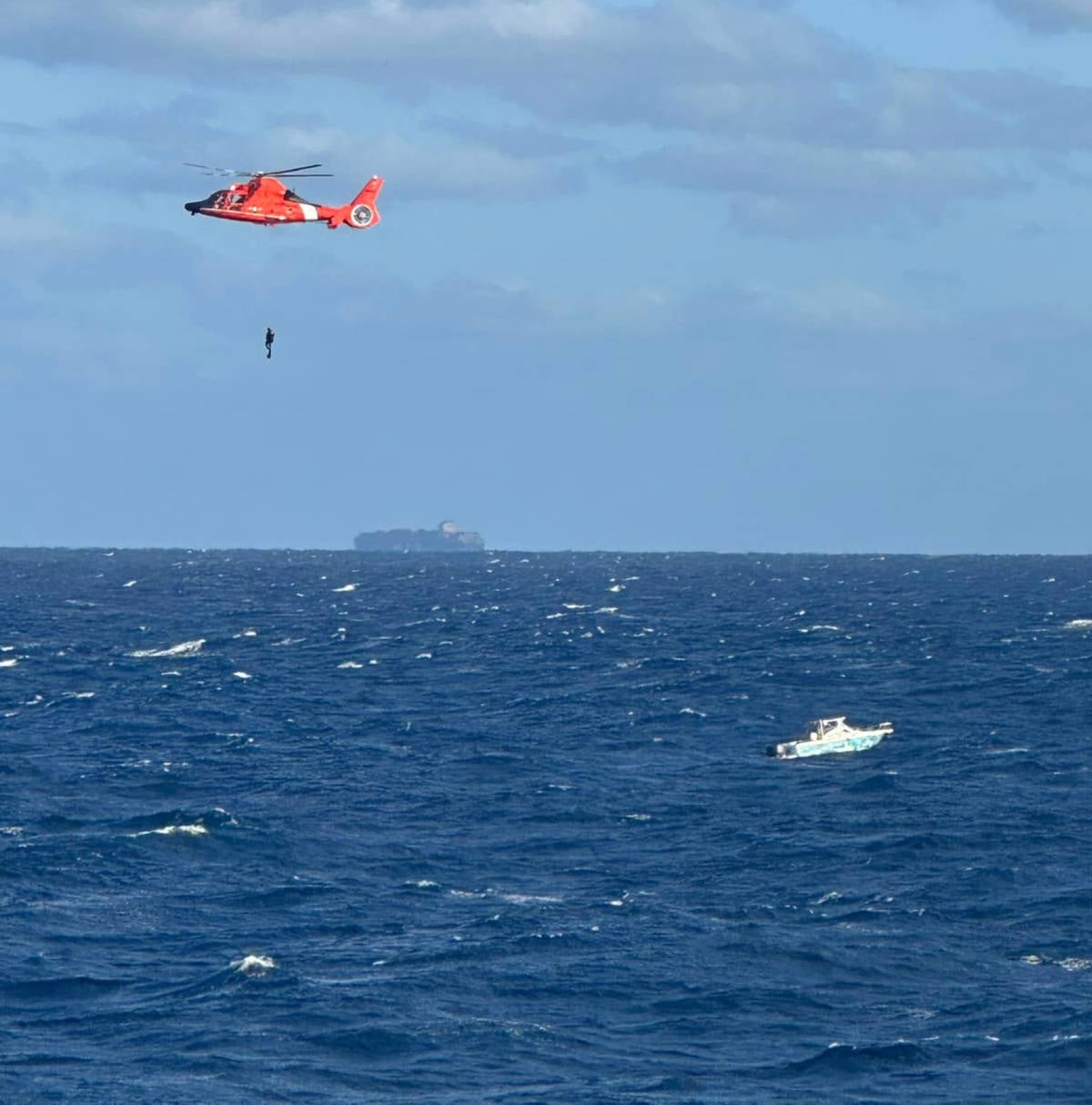
In the meantime, the cruise ship and its thousands of other guests will continue toward the next port. If there are any developments in the search, the ship will be informed as appropriate.
Any such information may or may not be shared with guests onboard according to the captain’s discretion and requests from family members or traveling companions.
Step 8: FBI Gets Involved for US Citizens
When a US citizen is involved in a potential overboard case, whether as the presumed victim, a family member, or other involved parties, the Federal Bureau of Investigation (FBI) will be notified and brought into the case. The FBI has jurisdiction over cases on the high seas, even in international waters, and therefore would assist in the investigation.
What Passengers Experience On Board During an Overboard Alert
With such a well-defined plan for emergency response, how much disruption can guests expect onboard if an overboard alert is sounded? Fortunately, most cruise operations continue without pause.
Yes, guests will hear the “Oscar! Oscar! Oscar!” alert, and they may feel abrupt slowing or changes of direction as the ship is turned back to the search location.
If an overboard is confirmed, some areas of the deck may be roped off so crew members can work without interruptions or distractions. The area where any rescue boats are launched may also be closed.

If an individual is believed missing, a manual headcount of guests and crew may be necessary. This could require guests to return to their staterooms or might be initiated in public areas with all guests scanning their ship identification cards. During dining services, guests might be asked to leave the dining room or restaurant and then scan back in for such a headcount.
Crew members will work to keep many activities running normally while search operations move forward. Dining services, shows, trivia contests, and musical performances may continue, though there could be brief interruptions if further announcements are necessary.
Read Also: What Happens If You Jump Off a Cruise Ship?
If an overboard is confirmed and intense search operations commence, the ship might be delayed to her next port visit. This will depend on how long a search goes on and whether or not better-equipped vessels arrive to release the cruise ship.
For an extensive delay, a port visit might be completely cancelled. If that happens, shore tours booked through the cruise line will be refunded. Guests may also be refunded any applicable port fees or taxes.

No additional compensation should be expected for emergency operations that might cause delays or cancellations. Cruise lines always prioritize safety and will take all steps necessary to preserve life in any situation.
The ship’s captain or cruise director could make further announcements later in the day or the next day if itinerary adjustments are necessary. In many cases, announcements might also update guests and crew members about the state of the search.
For those directly and personally impacted by an overboard, the ship’s care team will offer personal assistance. This will be extended to any family members or traveling companions of the missing individual and includes counseling services as necessary. Upon arrival back to the homeport, that group may be debarked privately ahead of other guests.
Can You Accidentally Fall Off a Cruise Ship?
Headlines often use the word “fall” to describe overboard incidents, but this is not entirely clear. Cruise ship railings on all open decks and balconies are specifically designed to prevent accidental falls and are usually around chest-height to an average adult, making it impossible to fall overboard just by casually leaning on the railing.
Similarly, slip-and-fall incidents do not result in going overboard. Whether someone trips on a door threshold, steps wrong off a stairway, or slips on a wet pool deck, they will not go overboard.
Even in rough weather, accidental overboards do not happen, and there has never been a recorded case of someone being swept or blown out to sea from a cruise ship.

Security camera footage of numerous incidents consistently shows reckless behavior leading to overboard alerts. Such behavior might include deliberately climbing or sitting on railings, extreme intoxication, violent altercations, or entering restricted areas. In some cases, overboards are intentional decisions on the part of the individual.
Cruise guests who follow safe practices such as staying behind railings, being mindful of their alcohol intake, and avoiding reckless behavior are not at risk of falling overboard. Anyone who sees reckless behavior, such as climbing on railings, should immediately notify a crew member or call security.
What Are the Chances of Surviving a Cruise Ship Overboard?
When an overboard happens, it is an unfortunate truth that the incident is most often fatal. The cruise ship overboard survival rate is less than 50% and could be much lower.
According to a report from the Cruise Lines International Association (CLIA), of 212 reported overboard incidents between 2009 and 2019, the survival rate was just 28%.
Different factors affect whether or not an individual can survive going overboard. Water temperature, weather conditions, the height of the deck the individual goes overboard from, any injuries sustained from the fall, their general physical condition and swimming ability, and the speed of rescue efforts all impact survivability statistics.
Survival is certainly possible. In June 2025, a young girl fell from a railing on Disney Dream and her father immediately jumped in after her. Both survived what could have been a doubly tragic situation, in part due to the immediate reactions of crew members to initiate emergency responses.
A man overboard can be a very scary and tense situation on any cruise ship. By recognizing how overboards happen, what the emergency Oscar code means, and how cruise crew members respond, guests can better understand what is going on if such a challenging event happens on their cruise.