Key Aspects:
- Three cruise guests from Ocean Expedition’s MV Hondius have died, with one confirmed death from hantavirus.
- The World Health Organization is conducting tests and monitoring the situation, which includes three additional ill guests.
- There are several types of hantavirus with different symptoms and severities, depending on overall health conditions.
Any death on a cruise ship is a startling occurrence, but when those deaths are from a relatively rare but very deadly disease, it can raise alarms for even the most conscientious cruiser.
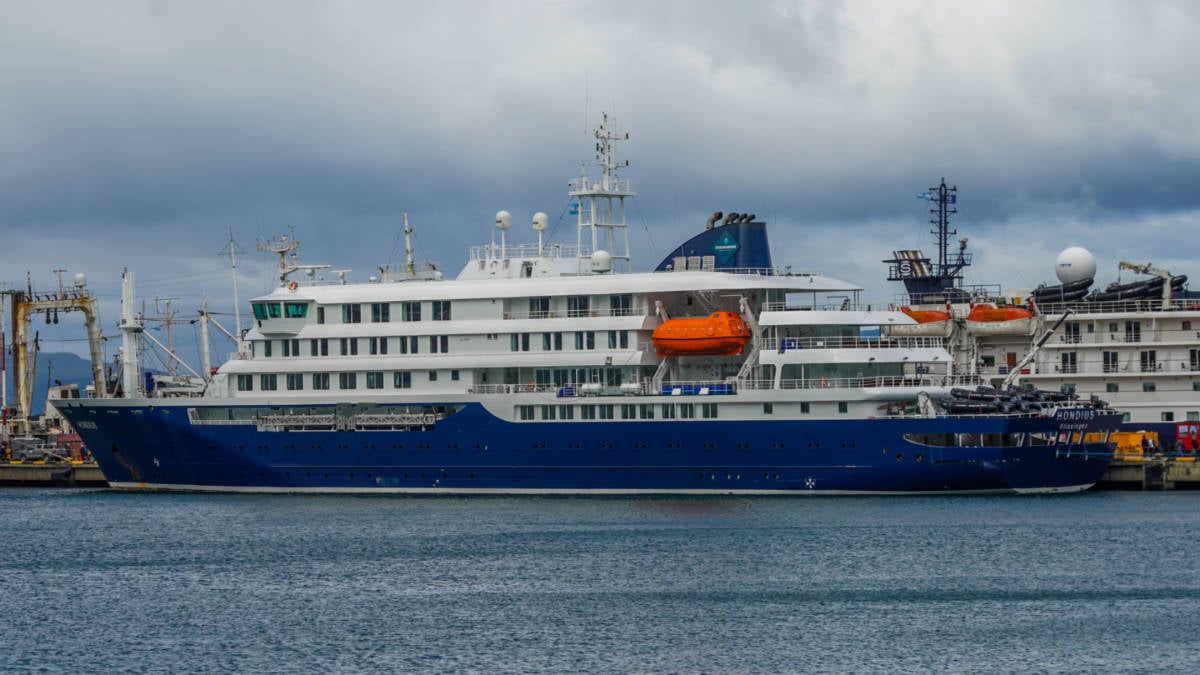
Such alarms are sounding loud and clear following the deaths of three passengers on Oceanwide Expedition’s MV Hondius believed to be caused by a hantavirus infection. Three more guests are ill and may be similarly infected.
Two of the deceased guests are husband and wife, ages 70 and 69, respectively. A third ill passenger is a 69-year-old British national and is in intensive care in a hospital in Johannesburg, South Africa.
None of the identities of those infected have been released. This is standard practice to safeguard the privacy of those impacted by such emergency situations.
The outbreak has been confirmed by the World Health Organization (WHO) with laboratory testing of one deceased guest positive for hantavirus. Additional testing is underway to track the suspected outbreak.
“WHO is aware of and supporting a public health event involving a cruise vessel sailing in the Atlantic Ocean. To date, one case of hantavirus infection has been laboratory confirmed, and there are five additional suspected cases. Of the six affected individuals, three have died and one is currently in intensive care in South Africa,” a statement from the World Health Organization reads.
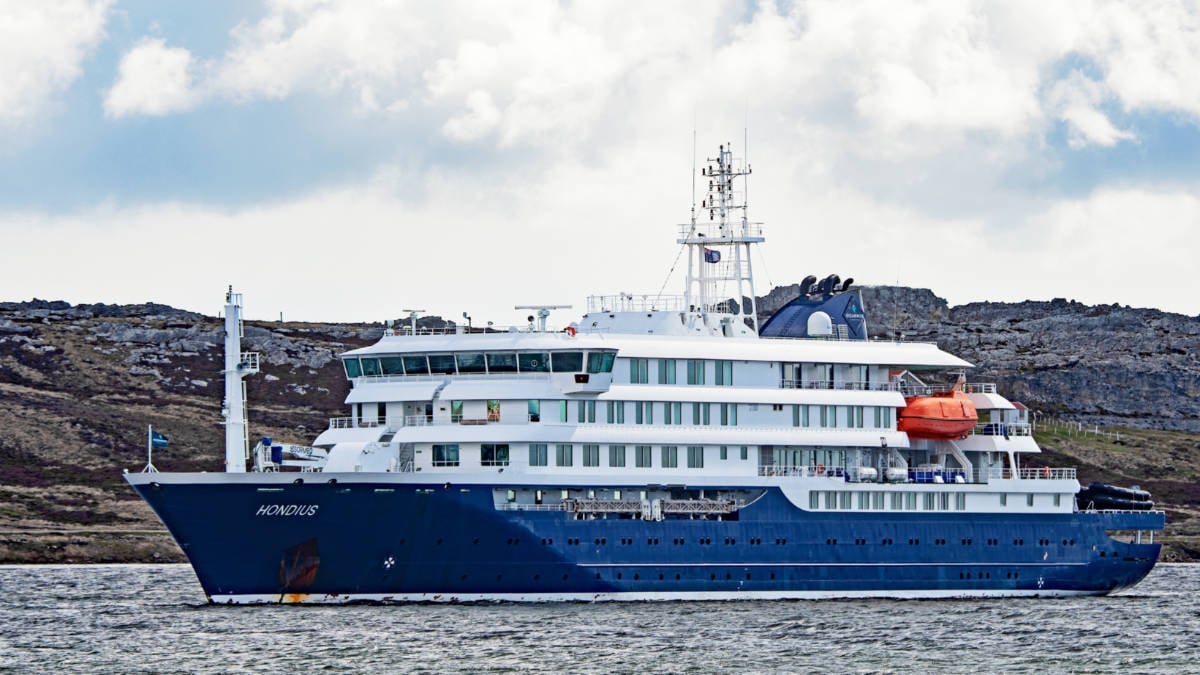
Hondius is a Polar Class 6 ice-strengthened, expedition vessel and can welcome up to 170 guests. This means even with just six cases, 3.5% of guests onboard are ill, a concerning number for any illness outbreak.
The ship also carries a crew complement of 57, plus 13 guides for its expedition itineraries. One medical doctor is also onboard.
About Hantavirus
Hantavirus is typically contracted from exposure to infected rodent urine or feces. According to the US Centers for Disease Control and Prevention (CDC), the pulmonary type of the virus may not show symptoms for 1-8 weeks after exposure. Fatigue, fever, and muscle aches are the first symptoms, while coughing and shortness of breath develop later.
A faster-acting type of hantavirus is hemorrhagic fever, which typically develops in just 1-2 weeks and includes more severe symptoms, notably intense headaches and blurred vision, followed by internal bleeding and acute kidney failure.
The exact type of hantavirus confirmed for the guests aboard Hondius has not been released. Sequencing of the virus is underway to further determine the strain.
No outbreaks of any type of hantavirus aboard cruise ships have been reported to the CDC in at least the past 30 years, according to archived data. Cruise Hive has reported on various outbreaks of norovirus, e. coli, salmonella, and similar diseases from most cruise lines.
At the time the illness was detected, the ship was sailing from Ushuaia, Argentina to Cape Verde. Satellite tracking confirms that Hondius is now docked in Cape Verde.
The ship appears to have finished her Antarctic season and is scheduled to begin Arctic sailings at the end of May. The current itinerary, which departed Argentina on March 20, may include elements of both polar explorations, a rare and highly desirable expedition sailing, or it may simply be a transatlantic cruise as the ship repositions for the northern summer season.
Should Cruisers Be Concerned About Rare Outbreaks?
By their nature, expedition sailings typically operate in remote regions where there may not be as much port or local infrastructure. This can make it challenging if there is an emergency situation or outbreak of a severe illness onboard.
Oceanwide Expeditions notes that their typical guests range in age from 30 to 80, with the majority from 45 to 65. Older populations can be more vulnerable to respiratory conditions such as hantavirus, and overall health can play a part in how such diseases impact individuals.
There is, however, no restriction on ages or health conditions for guests to set sail on expedition itineraries. The cruise line does explain that mobility can be a concern at many destinations they visit.
“You must be in good overall health and be able to walk several hours per day. The expedition is ship-based and physically not very demanding, but we spend as much time as possible on shore,” the cruise line’s website states.
Typical disease outbreaks on cruise ships tend to be gastrointestinal illnesses with vomiting, diarrhea, and similar symptoms. While gastrointestinal diseases can be severe for very vulnerable guests, rarely do any such outbreaks cause fatalities.