Key Aspects:
- The French Senate has approved a new per-person cruise ship tax.
- If passed, cruise lines will have to pay €15 per person every time they visit a French port.
- This would likely result in skipped port calls and/or an uptick in pricing for European sailings.
France is one step closer to implementing one of the most significant new taxes on cruise ships.
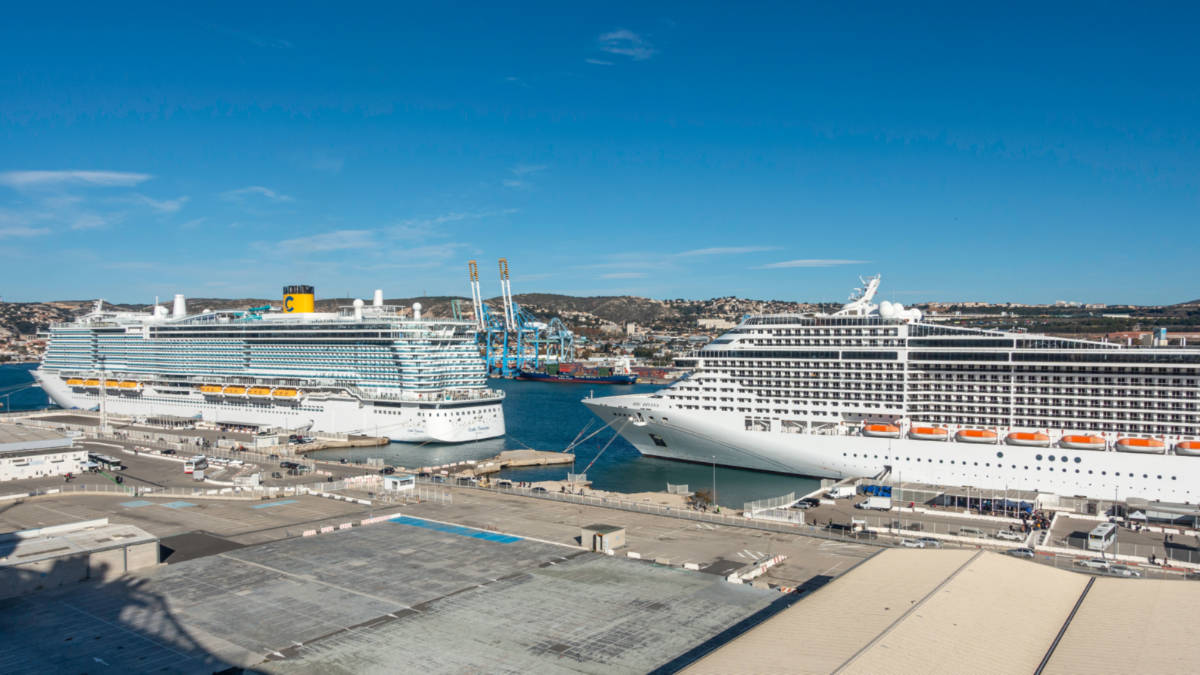
On Monday, December 1, 2025, the French Senate voted to approve an environmental tax of €15 ($18 USD) per cruise passenger that would be charged for every single port call in France.
This means that if a cruise ship stopped at two French ports, the per-person tax would be owed twice.
If passed into law, the tax is expected to generate approximately €75 million (around $87.4 million), which would be put toward protecting and enhancing France’s coastlines.
The thought process behind the tax is based on the “polluter pays” principle, meaning that the cruise lines are being held responsible for the cost of pollution and its prevention instead of those affected.
Per the senators who introduced the measure, “this tax, based on the ‘polluter pays’ principle, aims to offset the ‘particularly heavy externalities’ of international cruises on coastal and port areas.”
Senator Jean-Marc Délia, who is championing the tax, pointed out that cruise ships emit more than 7 million tons of carbon dioxide in Europe each year.
Worth Reading: Carnival CEO Responds to Fuel Surcharge
But on the other side of the coin, the cruise lines are making great strides to be more environmentally conscious and to achieve carbon neutrality by 2050.
A Negative Impact on Cruising
The new tax is a huge blow to the cruise industry, as it would cost a fortune if implemented.
As an example, a moderately sized cruise ship with 2,000 passengers would have to shell out €30,000 (around $35,000 USD) for a single port call in France.
Cruise Lines International Association (CLIA) has already spoken out against the tax as unfair.
“Cruise operations in Europe are already contributing substantially to national and EU climate funds,” CLIA said in a statement.
“Adding a €15 per passenger fee at every French port of call would layer a new charge on top…effectively taxing the same emissions twice without a clear environmental benefit,” CLIA continued.
“Any new levy should be fair, evidence-based and consistent across vessel types, without confusing cruise ships with other types of vessels.”
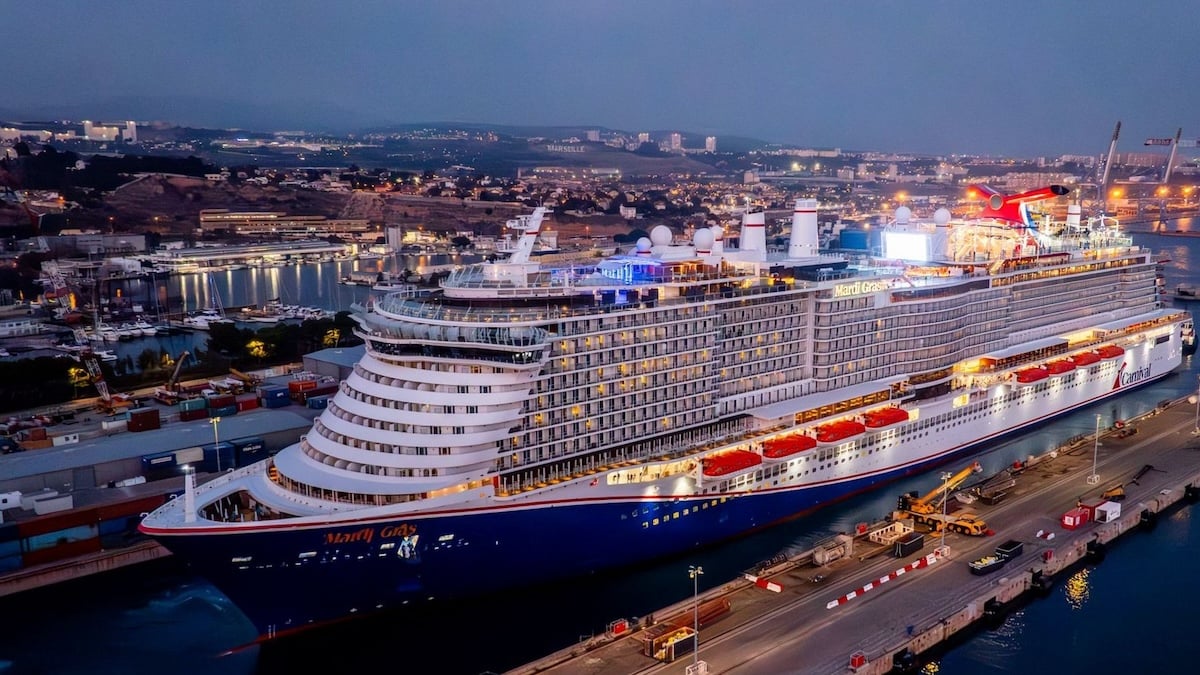
If the tax is passed, passengers can expect to see an uptick in pricing for European sailings, especially if France is on the itinerary.
When new taxes are passed, it’s quite common for cruise lines to pass the expense onto passengers.
It’s also possible that the cruise lines would replace French port calls on already booked itineraries until they can start putting more of the financial burden onto guests.
Alternatively, the number of cruises to France may lessen, as the cruise lines could opt to sail to more cost-effective destinations – especially if demand decreases in response to higher pricing.
This is not only a disappointment to cruisers who dream of sailing to these destinations, but it could also have a negative impact on France’s economy.
What Happens Next?
Now that the Senate has approved the motion, the Assemblée nationale must consider the tax before it can be passed into law. A vote is expected to take place later in December.
That said, the measure will likely be subject to a fair amount of scrutiny and debate, and its final form could look a bit different when all is said and done.
For example, Amélie de Montchalin, Minister for Public Accounts, has already opposed the measure because the wording did not clearly differentiate between cruise ships and ferries.
But for now, the cruise community will simply have to wait and see how things play out.