Key Aspects:
- Maryland’s Attorney General is pursuing legal action against Capital Jazz and its owner for failing to provide refunds to cruise guests.
- The company allegedly owes at least $642,240 to cruisers from a cancelled music-themed SuperCruise in March.
- Capital Jazz has also stopped paying the penalties from a 2025 legal settlement over earlier unpaid refunds.
Maryland’s Attorney General Anthony G. Brown is pursuing charges against Capital Jazz and its owner, Clifford Hunte. This should be music to the ears of guests who are awaiting refunds from the cancelled Capital Jazz SuperCruise that should have set sail in March of 2026.
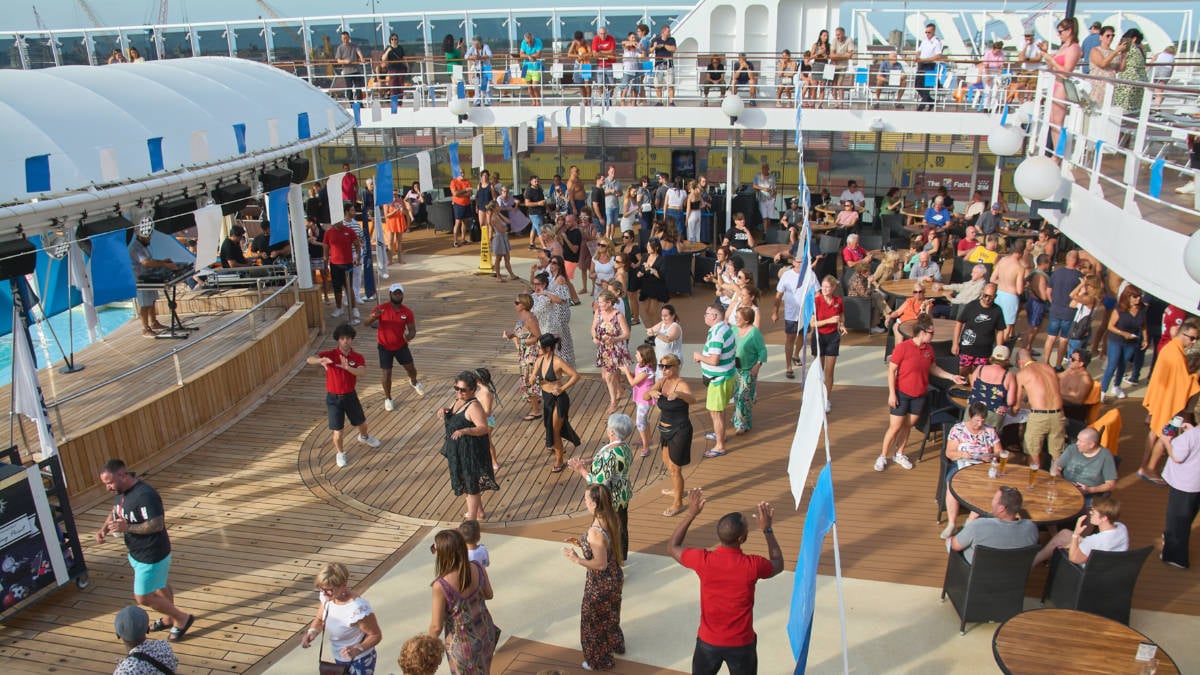
The music-themed cruise was supposed to sail to the Caribbean from March 22-29 onboard MSC Divina, but MSC Cruises cancelled the private charter in November of 2025 after the event organizer failed to pay the cruise line timely.
By the time news of the cancellation made its way to guests approximately four months later, many passengers had already paid thousands of dollars to secure their bookings and to book flights and hotels near PortMiami.
Allegedly, the Maryland-based company continued to accept new bookings, along with deposits and payments, until the very last minute.
And now, Capital Jazz has failed to pay refunds totaling at least $642,240 to the 103 cruise guests who have come forward thus far. Maryland’s Consumer Protection Division believes that the total of refunds owed is likely much higher.
Based on double occupancy numbers, MSC Divina can hold 3,502 guests, and a significant portion of the Fantasia-class ship was likely booked by the time the cancellation was announced.
Guests who were booked on the private charter also reported that the event organizer stopped communicating with them after they were notified of the cancellation and failed to respond to inquiries about refunds.
MSC Cruises did give impacted guests the option to book directly with the cruise line for the same dates, as the 139,072-gross ton ship was placed back into normal operations for the originally chartered dates.
However, many passengers could not afford to rebook without first securing a refund, with some having spent upwards of $7,000 or even over $8,000 on their original booking.
Charges Filed Against Capital Jazz
The Maryland Consumer Protection Division believes that Capital Jazz and its owner (Hunte) violated the Consumer Protection Act by cancelling the themed cruise at the last minute and failing to pay refunds in a timely manner.
“We filed charges against Capital Jazz after the company cancelled a 2026 SuperCruise and failed to issue refunds. According to the charges, more than 100 consumers are owed at least $642,000, and this follows an earlier case over similar conduct,” Attorney General Brown posted on X.
“My Office will use every legal tool available to hold the company accountable for failing to meet its obligations to consumers,” he continued.

The Maryland-based company is scheduled to appear in front of the Office of Administrative Hearings to face the charges on July 21, 2026. The judge will decide the penalties and how to reimburse the impacted passengers.
In the meantime, cruisers who believe they are also entitled to a refund are encouraged to call the Attorney General’s Office in Maryland to make sure they are included in any potential repayment.
Not the First Offense
Believe it or not, this was the third Capital Jazz SuperCruise to be cancelled in five years. It’s also not the first time that the company has failed to uphold its financial obligations.
Cruise Hive learned that Capital Jazz was already under fire for failing to pay refunds from earlier cancellations, which resulted in a legal settlement in 2025.
Per the Attorney General’s Office, Capital Jazz has also stopped paying the penalties they owed from the 2025 case.
“Capital Jazz made a commitment to Maryland consumers and broke it, and then they brazenly did it again,” Attorney General Brown said in a press release.
The charges levied against Capital Jazz account for the company’s inability to adhere to the terms of the 2025 settlement, as well as its failure to provide timely refunds to the guests impacted in 2026.