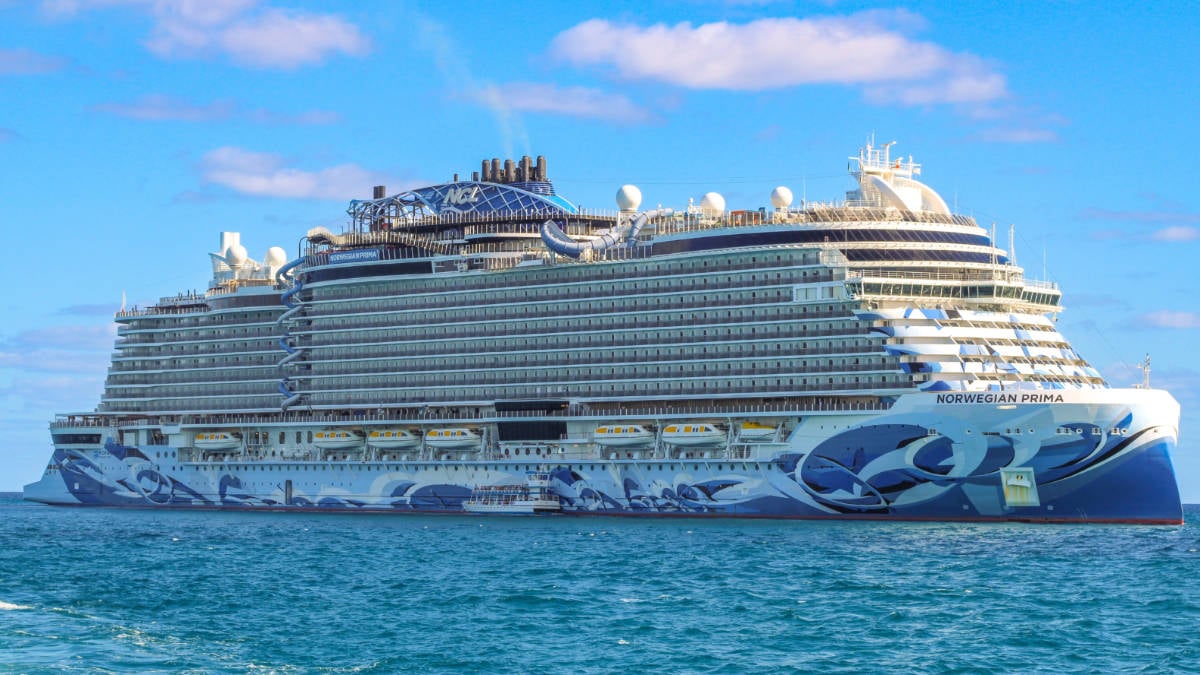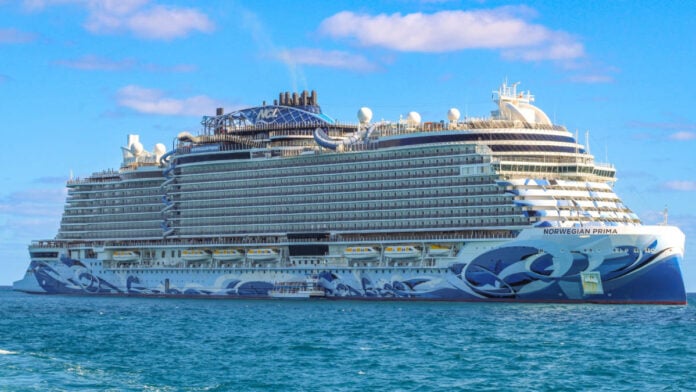
Key Aspects:
- Norwegian Cruise Line is alerting guests to three recent cases of Legionnaires’ disease involving guests who sailed aboard Norwegian Prima in May and July 2026.
- All testing for the Legionella bacteria onboard has been negative thus far and the cruise line is working with the CDC.
- It is not known whether the guests contracted the disease onboard the ship or from a different source unrelated to their cruises.
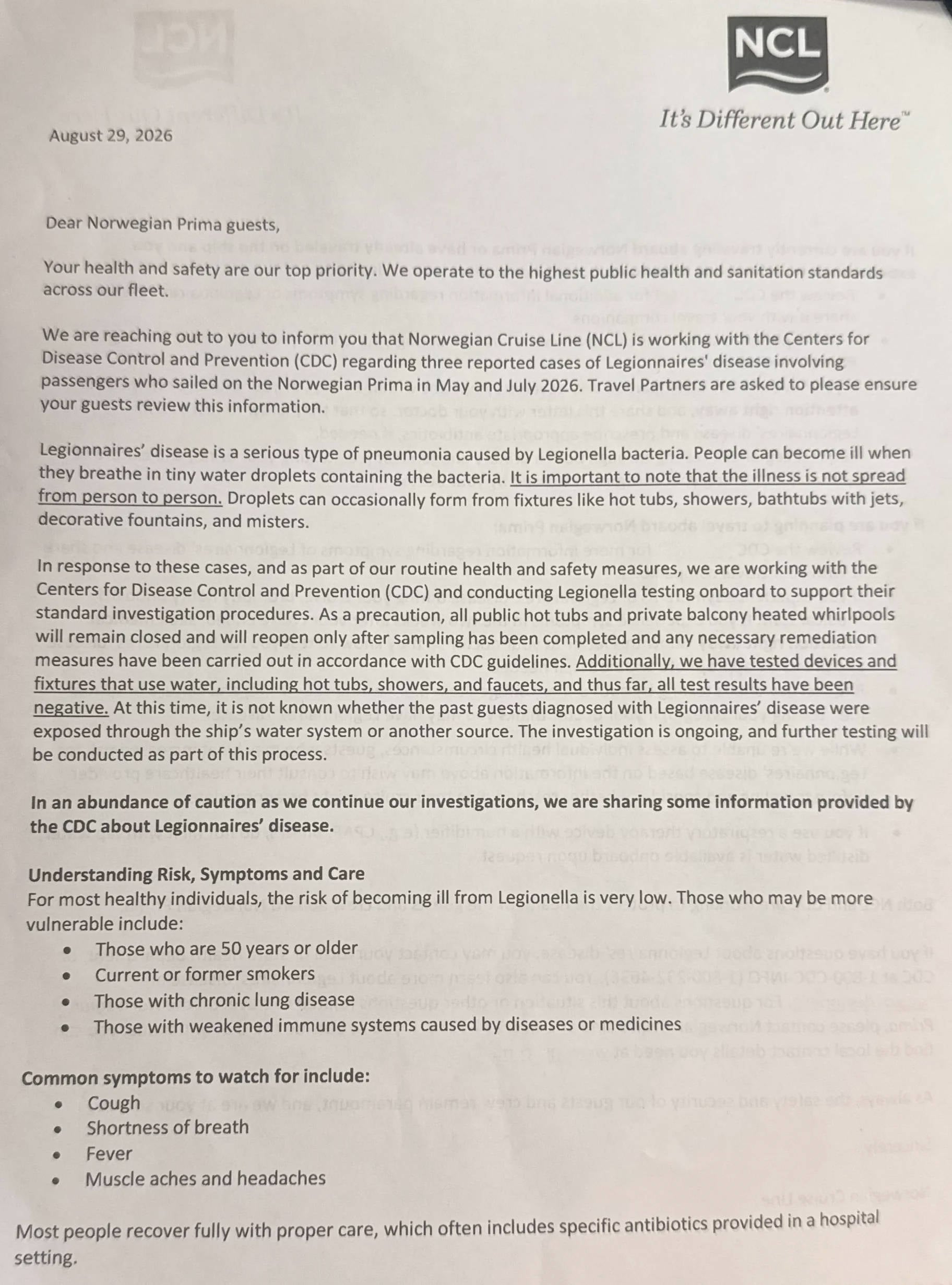
Guests setting sail on Norwegian Prima have been receiving notifications of a possible connection to Legionnaires’ disease. While the notification letter is clear that there is no confirmed connection to any contamination onboard, testing is ongoing and guests should be aware of the potential risk.
“We are reaching out to you to inform you that Norwegian Cruise Line (NCL) is working with the Centers for Disease Control and Prevention (CDC) regarding three reported cases of Legionnaires’ disease involving passengers who sailed on the Norwegian Prima in May and July 2026,” the notification, which has been shared on Reddit, explained.
The exact dates of the sailings with guests infected with Legionnaires’ disease have not been identified. The 3,099-guest ship is currently homeported from Port Canaveral, offering 7-night Caribbean sailings with both eastern and western itineraries.
The notification letter received by multiple guests goes on to explain Legionnaires’ disease as “a serious type of pneumonia” and later notes that those most vulnerable to the disease are 50 years of age or older, anyone with chronic lung disease or weakened immune systems, and those who are current or former smokers.
What will matter most to guests is that the illness is not spread through direct contact from person-to-person. The Legionella bacteria, however, can live in complicated water systems and be spread through mist from fixtures like hot tubs and showers.
Norwegian Cruise Line is working with the CDC to test possible contaminated areas onboard:
“As a precaution, all public hot tubs and private balcony heated whirlpools will remain closed and will reopen only after sampling has been completed and any necessary remediation measures have been carried out in accordance with CDC guidelines,” the notification said.
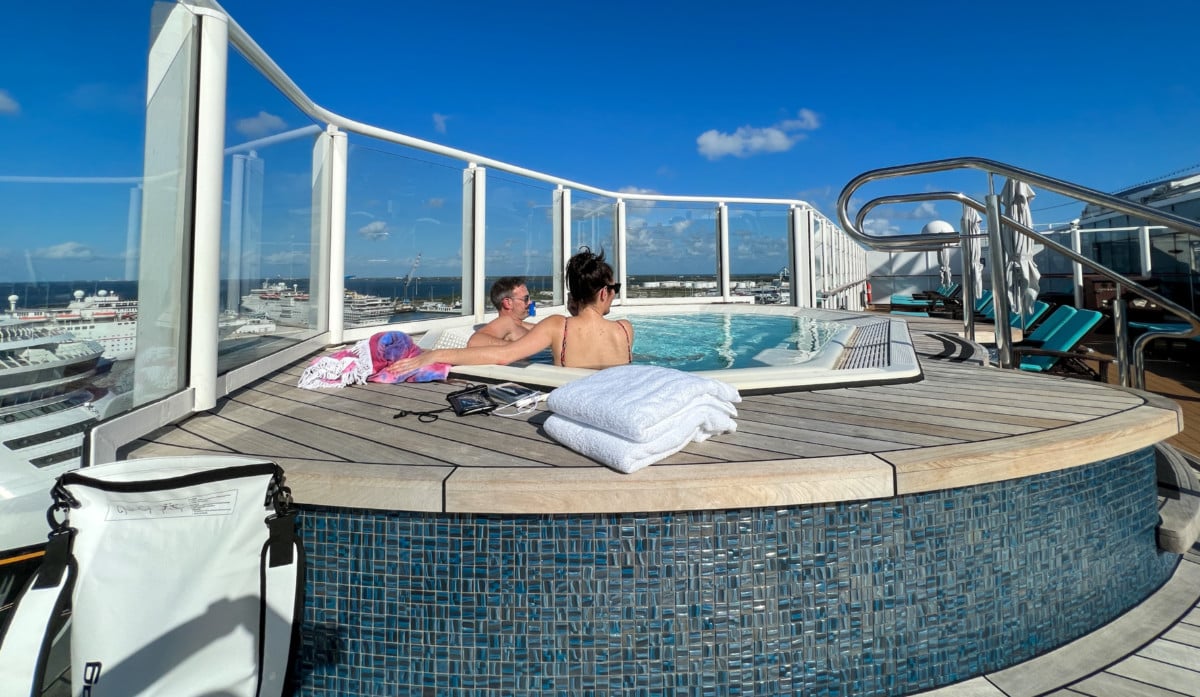
The cruise line has already tested devices and fixtures that use water, including faucets, hot tubs, and showers. All test results onboard Norwegian Prima have been negative.
It is not known whether the three guests who did test positive for Legionnaires’ disease contracted the illness while onboard the ship or from another source.
According to the CDC, symptoms of the illness typically develop 2-14 days after initial exposure, but it could be longer before an individual has noticeable signs of the disease. Because the incubation window can be so long, guests diagnosed after a cruise may have been exposed on board or even long before their cruise began.
Treatment of the disease involves antibiotics and often hospital care. Anyone showing possible symptoms such as coughing, shortness of breath, fever, muscle aches, or headaches should seek medical attention for a proper diagnosis.
Other than the closures of whirlpools, hot tubs, and similar facilities until testing is complete, there are no illness-related operational changes onboard Norwegian Prima at this time.
Legionnaires’ Not Unheard of on Cruise Ships
This is not the first time possible connections to Legionnaires’ disease have been reported on cruise ships.
Cruise Hive has covered similar instances onboard other Norwegian Cruise Line ships. In February 2026, guests were notified about two cases reported onboard Norwegian Encore from sailings in December 2025, and in November 2025, guests on Norwegian Epic were warned about possible exposure as well.
Royal Caribbean has also shared similar warnings to guests when necessary, including cases connected to Symphony of the Seas in January 2025 from sailings in October and December 2024. Celebrity Cruises warned guests after two cases were connected to Celebrity Ascent in January 2024.
Such notices are sent out of an abundance of caution to alert guests to the possibility of increased risk so travelers can take whatever precautions they feel are best, including avoiding hot tub use or staying alert to potential symptoms during and after their cruises.