Key Aspects:
- Iran reopened the Strait of Hormuz on April 17, 2026.
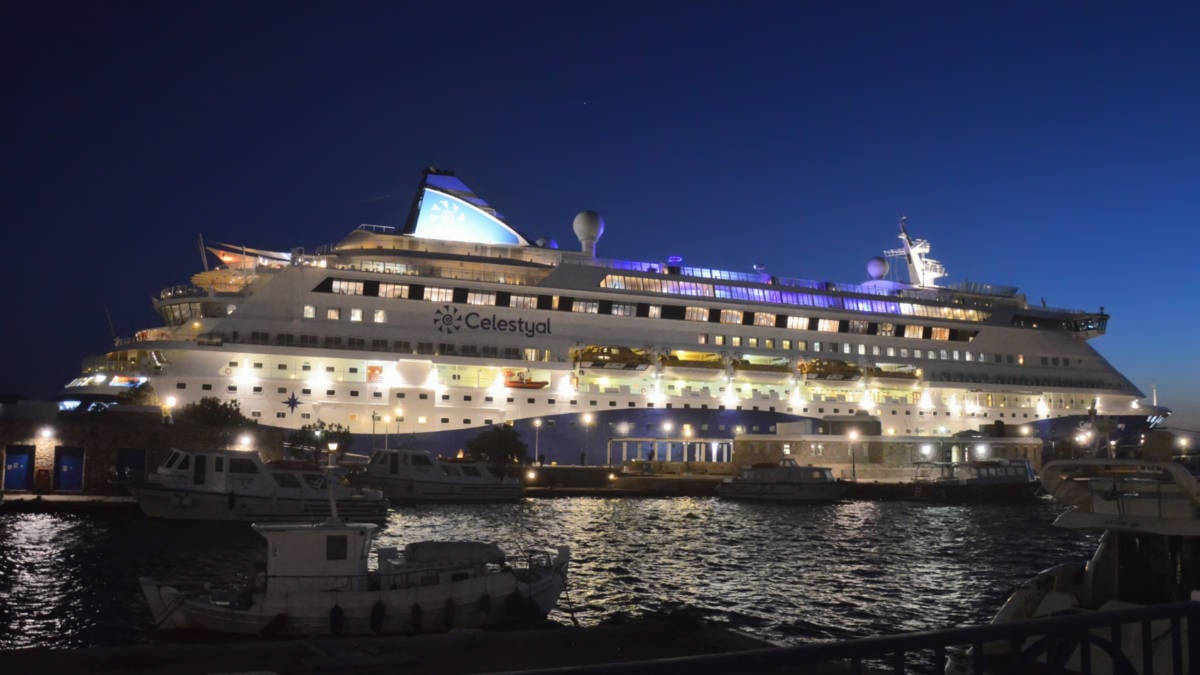
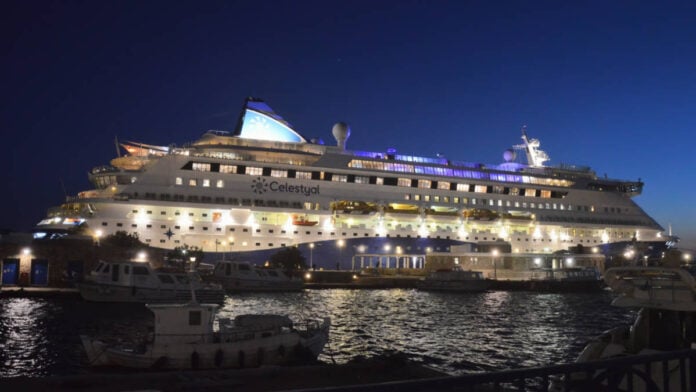
- Celestyal Discovery became the first cruise ship to pass through the strait, departing Dubai at 11:36 a.m. local time.
- Other vessels still in the region may soon be able to reposition out of the Gulf.
The first cruise ship has now cleared the Strait of Hormuz after the strategic waterway spent weeks effectively closed amid military conflict in the Middle East.
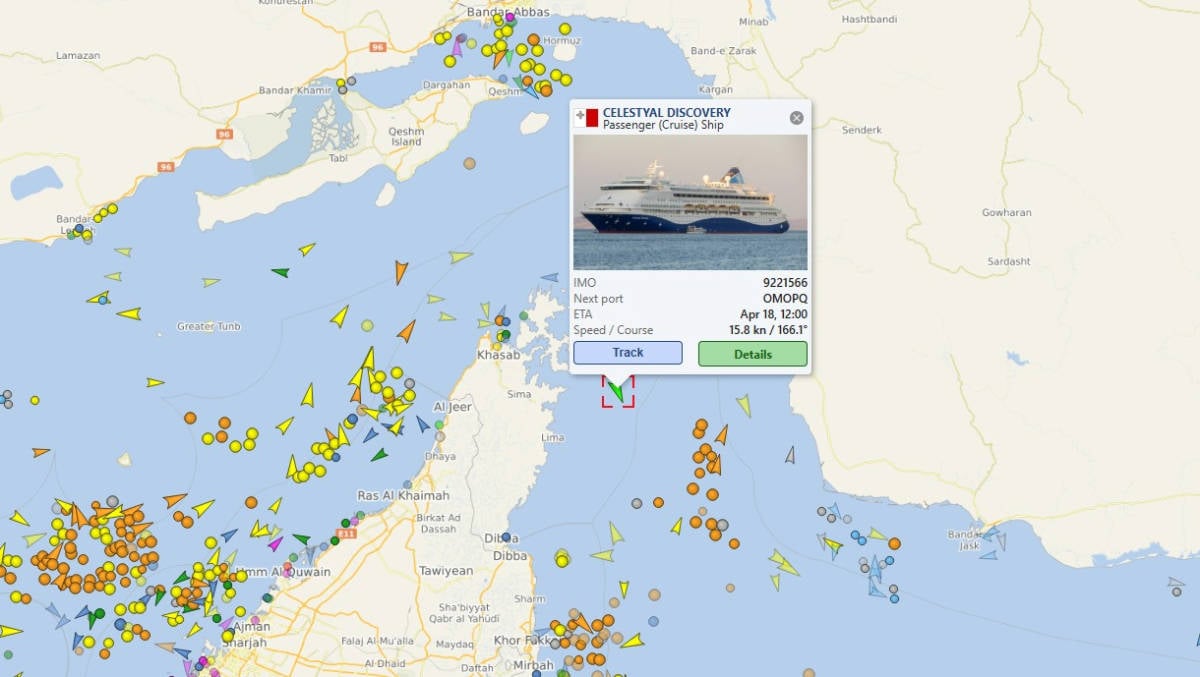
Celestyal Discovery, a 1,360-guest vessel operated by Greece-based Celestyal Cruises, departed Port Rashid in Dubai, U.A.E., on April 17 at 11:36 a.m. local time, becoming the first cruise ship known to exit the strait since the crisis began earlier this year.
Per Cruise Hive’s Cruise Ship Tracker, the vessel is sailing toward Muscat, Oman, where it is scheduled to arrive April 18 at 4 p.m. local time.
Its passage marks a major development for the cruise industry after the Strait of Hormuz had remained inaccessible to commercial vessels since late February, when escalating military conflict between Iran, the United States, and Israel destabilized the region.
On February 28, Iran’s forces warned ships were not allowed to sail through the strait. The threat effectively halted most maritime traffic through the narrow channel that links the Persian Gulf with the Gulf of Oman.
The disruption stranded multiple cruise ships in Gulf ports, forcing cruise lines to cancel sailings and postpone repositioning voyages.
Celestyal Cruises was among the most affected, remaining docked in Dubai for weeks while sister ship Celestyal Journey waited in Doha, Qatar, both unable to leave the region.
Celestyal Discovery had been operating an “Iconic Arabia” program that was calling at ports in the Persian Gulf, including Dubai, Abu Dhabi, Sir Bani Yas, Doha, Ras al Khaimah, and Khasab, when the conflict began.
Sister ship, Celestyal Journey, was operating similar itineraries on its “Desert Days” program. The vessel remains in the Port of Doha at press time. The line cancelled all April departures while awaiting safe passage back toward the Mediterranean.
Other cruise operators faced similar challenges, with ships from MSC Cruises and TUI Cruises also stuck in ports across the Gulf, cancelling sailings as vessels were unable to pass through the strait.
Other Stranded Ships Could Soon Follow
The reopening of the Strait of Hormuz could quickly unlock the rest of the cruise ships that have been trapped inside the Persian Gulf for weeks.
Several vessels have been waiting in regional ports since late February. Among the largest vessels stuck in the region is MSC Cruises’ MSC Euribia, a 181-541-gross-ton liquified natural gas (LNG)-powered ship currently docked in Dubai.
The vessel was scheduled to begin its European summer season in Kiel, Germany, but the cruise line has cancelled multiple sailings through mid-May after the ship was unable to reposition.
Two ships from TUI Cruises have also been waiting for the route to reopen. Mein Schiff 4 remains in Dubai while sister ship Mein Schiff 5 has been holding position in Doha. Both vessels cancelled several planned itineraries during the crisis because they could not leave the Gulf.
If the transit remains open and proves safe, other cruise lines are expected to begin repositioning toward Europe for the summer cruise season.
For ships like MSC Euribia, the journey involves sailing through the Strait of Hormuz into the Gulf of Oman, crossing the Arabian Sea, passing through the Suez Canal, and continuing to Europe.
Whether that process begins immediately will depend on security conditions and procedures required by Iranian authorities.