Key Aspects:
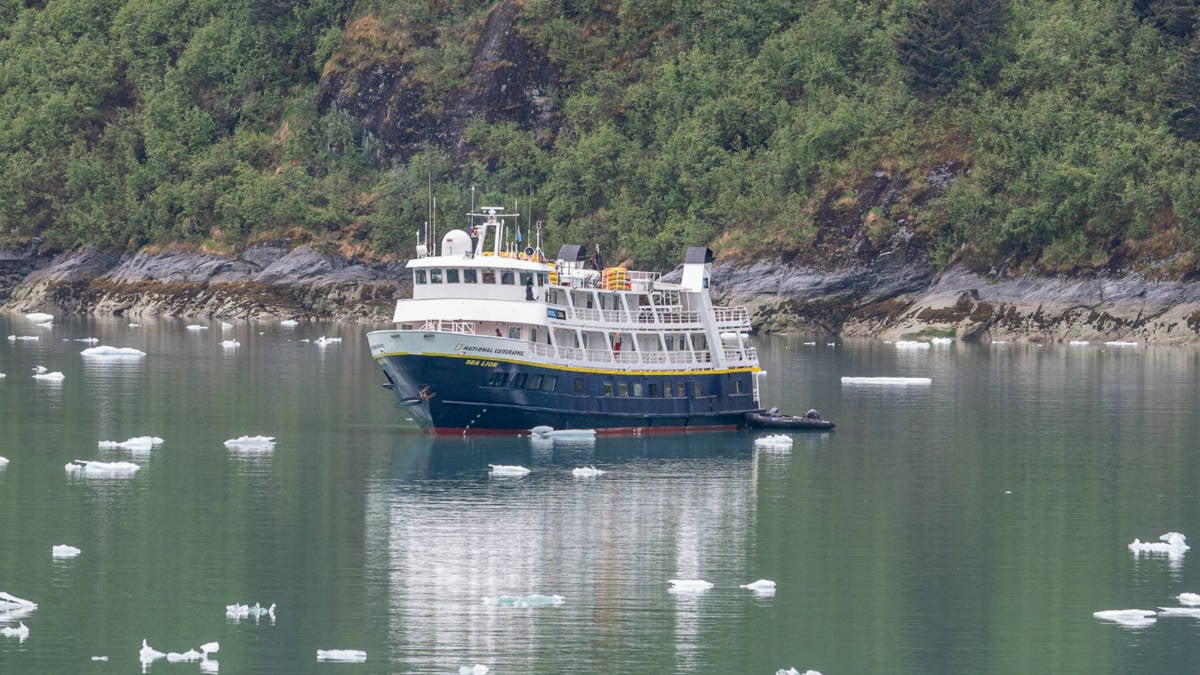
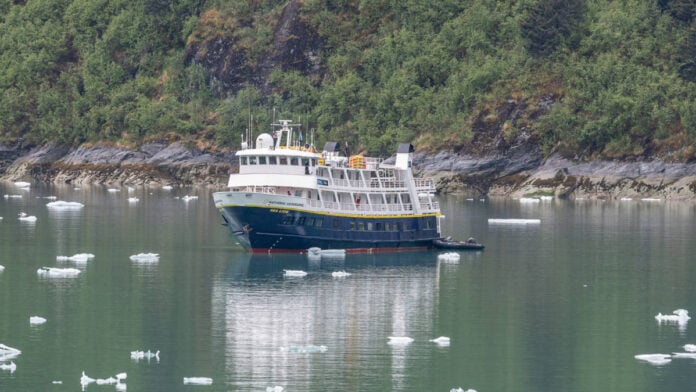
- National Geographic Sea Lion earned the lowest passing score in its most recent inspection from the CDC’s Vessel Sanitation Program.
- 44 violations were identified during the inspection, including improper food storage and sanitation practices.
- This is the third time in a row that the cruise ship has barely passed a health and safety inspection.
Lindblad Expeditions’ National Geographic Sea Lion barely scraped by in its most recent inspection from the CDC Vessel Sanitation Program (VSP) on June 21, 2026.
For the third time in a row, the 62-guest ship has scored an 86, which is the minimum passing score. An 85 or below is a failing score.
Prior to June 2026, the most recent inspections conducted by the CDC were on July 6, 2019, and May 6, 2018, with the small ship scoring an 86 both times.
For reference, the CDC inspects cruise ships that carry at least 13 passengers and operate foreign itineraries with port calls in the US. Ships that meet this criteria are subject to surprise inspections twice per year.
The 630-gross ton ship is currently operating Alaska-bound itineraries, and will be conducting river cruises around the Pacific Northwest later this year.
However, the expedition vessel spends much of its time exploring international destinations in Central America and Baja. It would not be under the CDC’s jurisdiction while operating purely international itineraries, which explains the gap in inspections.
What Did The VSP Find?
According to the official inspection report, the VSP found 44 violations onboard the cruise ship. Lindblad Expeditions is required to submit a corrective action report, though this has not been published publicly yet.
Several of the violations pose a direct risk to passenger and crew safety, such as improper food storage and sanitation practices.
For example, approximately 50 containers of dairy products were thrown out during the inspection because the refrigerator temperature was too high at 42-49°F. The temperature should not have been able to reach above 41°F.
Frozen fish was also found stored on the stairs of the freezer. The steps were constructed of open metal grating, which could allow debris or dirt on crew members’ shoes to fall onto the food below.

Next, two cardboard boxes of frozen meats were stored directly on the deck underneath the freezer shelves. To protect food from contamination, the meats should be stored in a clean, dry location and placed at least six inches above the deck.
From a sanitation perspective, clean dishes in the main galley area were found in a drawer that had been soiled inside with dried lettuce. Additionally, vegetable peelers had rust on them and had to be thrown away during the inspection.
There were also several problems with dishwashers, including a hood-type dishwash machine that had a broken spray arm and a hood-type dishwash machine that could not reach a final sanitizing rinse temperature of 160°F.
Discrepancies in the AGE Report
The AGE Report is an acute gastroenteritis surveillance report managed by the VSP, which is important for tracking and mitigating gastrointestinal outbreaks.
Unfortunately, the CDC inspection found multiple discrepancies on National Geographic Sea Lion’s AGE reports.
First, the report is supposed to be submitted to US cruise ports 24 to 36 hours prior to arrival for the initial 24-hour report, but was submitted to Sitka, Alaska, more than 36 hours before arrival.
There was also an incident where a crew member had close contact with a gastrointestinal case, but their 24 and 48-hour interviews were not documented as they should have been.
Additionally, a symptomatic crew member did not report their symptoms timely and was not isolated for the full 24 to 48 hours after their symptoms had completely resolved. They went back to work too soon in a non-food handling role.
Relatedly, Legionella sampling of the potable water system was not conducted every six months, which is a new requirement for the 2025 Environmental Public Health Standards.
National Geographic Sea Lion might also not be the only ship of concern within the fleet. Cruise Hive also recently reported that another Lindblad Expeditions ship, National Geographic Sea Bird, experienced four gastrointestinal outbreaks this year.
Lindblad Expeditions has not publicly commented on the inspection findings, but is required to make the appropriate corrections.