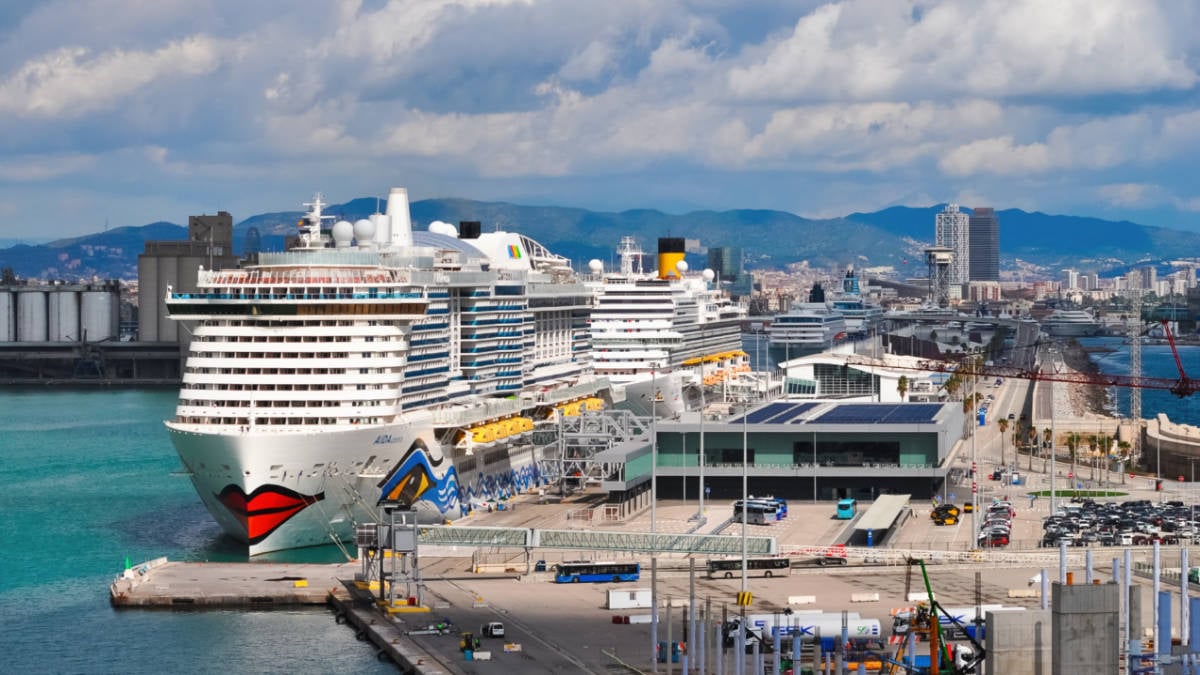
Key Aspects:
- Barcelona’s mayor plans to double tourist taxes on cruise guests in the coming months.
- The fee increase on day visits was already approved but was to have taken effect gradually over several years.
- Guests embarking or debarking in Barcelona are not subject to the tax increase.
Barcelona can be a phenomenal destination for cruise guests to explore, rich in history, art, culture, music, and so much more. Doing so will be a bit more expensive in the coming months, however, as the city’s mayor plans to double the tax on cruise ship passengers in the hopes of discouraging their visits altogether.
According to El País, Jaume Collboni announced on Wednesday, May 13, 2026, that he wants to completely eliminate cruise ship guests visiting Barcelona as a day stop, rather than a homeport.
To do so, he plans to double the tourist tax, impacting guests from the current €4 (approximately $4.66 USD) to €8 ($9.32 USD) over the next few months. Originally, the fee increase was planned incrementally over the next few years, but now it will come into effect much sooner.
“I want to discourage cruise ship passengers from coming to Barcelona,” Collboni, who is seeking reelection as Barcelona’s mayor, stated outright.
While just a few dollars may not be much of a pinch to individual cruise guests, the impact to cruise lines could be staggering.
In May 2026, for example, one of the largest cruise ships visiting Barcelona is MSC Cruises’ MSC World Europa. The 215,900-gross-ton ship can welcome 6,762 guests per sailing.
At €8 per passenger, that would be an extra €27,048 per sailing above the existing €4 fee, or roughly $31,500 in extra fees the ship would need to pay to visit Barcelona for the day.

Individual cruise lines would have to decide whether to assess the extra fee on guests at the time of booking or as a fee on their shipboard accounts. In many cases, cruise lines absorb these types of fees on existing bookings that are already paid in full, which could mean a significant impact on profit margins.
Cruise Hive has previously reported that Barcelona is reducing its number of cruise terminals from 7 to 5, causing some schedule scrambling for ships now struggling for berth availability.
Many Cities Fighting Larger Cruise Ships
Barcelona has been fighting growing cruise traffic for several years, and it is not the only city to do so. Many different cities in separate cruise regions likewise prefer to limit the number of cruise guests who can visit.
This can be done in several ways. Some ports prefer to limit the overall number of ships that may visit, while others put capacity caps on the number of guests those ships may carry, welcoming smaller vessels that might stay longer and contribute more substantially to the local economy without overwhelming local infrastructure.
Adjusting the seasons when cruises may visit is a popular tactic for sailing regions such as Maine or Alaska, which only see cruise visits during certain months of the year.
The bans, limits, and caps are often challenged in local and regional courts, with different businesses and cruise lines fighting back at restrictions.
It can take years to work out the details of capacity limitations. In the meantime, cruise lines may either keep scheduling ships to visit ports despite the controversy and risk itinerary disruptions if bans are passed, or else they may pivot away from some ports altogether in favor of more welcoming destinations.
For now, guests booked with sailings that visit Barcelona as a day port may want to be sure their cruise budget can accommodate increased fees, or else be flexible with their travel plans if the port is removed from their itinerary.